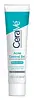
This acne treatment is formulated around Salicylic Acid and Glycolic Acid to clear breakouts and refine skin texture.
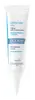
This acne moisturizer is formulated around Niacinamide to clear breakouts and calm redness.


What's inside
What's inside
 Key Ingredients
Benefits
Concerns
Ingredients Side-by-side
Salicylic Acid 2%
Masking










Water
Skin ConditioningGlycerin
Humectant


Sodium Hydroxide
BufferingGlycolic Acid
Buffering



Lactic Acid
Buffering
Niacinamide
Smoothing


Ceramide NP
Skin Conditioning
Ceramide AP
Skin Conditioning
Ceramide EOP
Skin Conditioning
Carbomer
Emulsion StabilisingCetearyl Alcohol
Emollient




Behentrimonium Methosulfate
SurfactantTriethyl Citrate
Masking

Sodium Hyaluronate
Humectant
Sodium Lauroyl Lactylate
EmulsifyingCholesterol
Emollient
Chlorphenesin
Antimicrobial
Disodium EDTA
ChelatingHydroxypropyl Guar
Emulsion StabilisingCaprylyl Glycol
Emollient
Xanthan Gum
EmulsifyingPhytosphingosine
Skin Conditioning
Benzoic Acid
Masking
Salicylic Acid 2%, Water, Glycerin, Sodium Hydroxide, Glycolic Acid, Lactic Acid, Niacinamide, Ceramide NP, Ceramide AP, Ceramide EOP, Carbomer, Cetearyl Alcohol, Behentrimonium Methosulfate, Triethyl Citrate, Sodium Hyaluronate, Sodium Lauroyl Lactylate, Cholesterol, Chlorphenesin, Disodium EDTA, Hydroxypropyl Guar, Caprylyl Glycol, Xanthan Gum, Phytosphingosine, Benzoic Acid
Water
Skin ConditioningCaprylic/Capric Triglyceride
Masking
Cetearyl Alcohol
Emollient
Isohexadecane
EmollientNiacinamide
Smoothing
Pentylene Glycol
Skin Conditioning
Butylene Glycol
Humectant
Glycerin
Humectant
Octyldodecanol
Emollient
Oryza Sativa Starch
AbsorbentPolymethyl Methacrylate
Benzoic Acid
Masking
Butyrospermum Parkii Butter
Skin Conditioning
Cetearyl Glucoside
Emulsifying
Dicaprylyl Carbonate
EmollientDisodium Phosphate
BufferingGlyceryl Laurate
Emollient
Myrtus Communis Leaf Extract
Perfuming
Polyacrylate-13
Polyisobutene
Polysorbate 20
Emulsifying
Potassium Phosphate
BufferingSodium Cetearyl Sulfate
Cleansing
Sodium Hydroxide
BufferingSorbitan Isostearate
Emulsifying
Stearyl Glycyrrhetinate
Skin ConditioningTocopherol
Antioxidant

Tripterygium Wilfordii Callus Extract
Skin ConditioningXanthan Gum
EmulsifyingWater, Caprylic/Capric Triglyceride, Cetearyl Alcohol, Isohexadecane, Niacinamide, Pentylene Glycol, Butylene Glycol, Glycerin, Octyldodecanol, Oryza Sativa Starch, Polymethyl Methacrylate, Benzoic Acid, Butyrospermum Parkii Butter, Cetearyl Glucoside, Dicaprylyl Carbonate, Disodium Phosphate, Glyceryl Laurate, Myrtus Communis Leaf Extract, Polyacrylate-13, Polyisobutene, Polysorbate 20, Potassium Phosphate, Sodium Cetearyl Sulfate, Sodium Hydroxide, Sorbitan Isostearate, Stearyl Glycyrrhetinate, Tocopherol, Tripterygium Wilfordii Callus Extract, Xanthan Gum
Reviews
Ingredients Explained
These ingredients are found in both products.
Ingredients higher up in an ingredient list are typically present in a larger amount.
Benzoic Acid is an organic acid that shows up in cosmetics as a preservative. It helps keep a product from spoiling by holding back the growth of yeast, mold, and some bacteria.
This ingredient also functions as a fragrance ingredient that helps mask the unpleasant scent of other ingredients.
The way it works is worth understanding; benzoic acid works when the formula is acidic. It is able to sneak into a microbe's cell and mess up how it functions to stop it from growing in an acidic product.
However, the acid switches to an inactive form and stops working if a product isn't acidic enough (above ~5 pH). This is why you'll often see it in low pH products or teamed up with other preservatives to cover the gap.
Safety wise, it's one of the better studied preservatives out there.
The Cosmetic Ingredient Review Expert Panel has concluded this ingredient to be safe for use in cosmetic formulations at concentrations up to 5%.
A large international review found this ingredient had no effects on the human body and had low irritation potential.
Just so you know, real world use is usually much lower than the 5% ceiling (usually 1% of less).
The EU caps it at 2.5% in rinse-off products, 1.7% in oral care, and 0.5% in leave-on products.
One thing worth mentioning (it's nothing to worry about): some people get a little stinging or flushing where they apply it. This isn't a true allergy; it's a temporary and harmless reaction. This is the same kind of mild tingle you might notice from sorbic acid.
Learn more about Benzoic AcidCetearyl alcohol is a waxy mixture of two fatty alcohols: cetyl alcohol and stearyl alcohol. It is an emollient and emulsifier.
Despite having "alcohol" in its name, it has nothing to do with drying solvent alcohols; the FDA also allows "alcohol-free" products to contain fatty alcohols like this ingredient.
It plays several roles in a formula:
Typical use levels for this ingredient sit around 1-10% and the Cosmetic Ingredient Review Expert Panel has affirmed safety at concentrations up to 25% in leave-on products.
Multiple assessments have found it to be non-irritating and non-sensitizing to most people.
However, there have been some cases of allergic contact dermatitis in patients with chronically compromised skin barriers.
Cetearyl alcohol has a comedogenic rating of 2 and irritancy rating of 1. Both of these numbers come from the 1989 study that used rabbit ears; a "2" means mildly comedogenic and a "1" means low irritancy.
Here's the catch: rabbit skin is more sensitive than human skin and throws a lot of false positives. A 1996 reappraisal found that ingredients rated 1-2 in the rabbit ear tests are generally safe for humans.
Remember comedogenic ratings are unable to assess the entire formula of a product or how it will react on your skin. Just be sure to patch test if you are unsure about certain ingredients.
This ingredient is not fungal acne safe. Cetearyl alcohol is a fatty alcohol with chain lengths that fall within the range that Malassezia can metabolize.
A 2019 study has also observed Malassezia growth in the presence of this ingredient, confirming it to be not-fungal acne safe.
Learn more about Cetearyl AlcoholGlycerin (or glycerol) is a compound naturally found in your skin. It's a powerhouse humectant that pulls water into the stratum corneum.
Topically, glycerin does several things at once:
Your skin makes glycerin on its own (mostly from sebaceous oil breakdown) and shuttles it to your outermost layer of skin, or your epidermis, via aquaporin-3.
Aquaporin-3 is a transporter that is essential for normal skin hydration, elasticity, and repair. Interestingly, mice lacking in AQP3 have dry and less elastic skin that can be fully corrected with glycerin.
This ingredient is non-irritating, plays well with almost every ingredient, and works across all skin types. Typical use is anywhere between 3-10% but can go up to 79% in some leave-on products.
Just know very high concentrations (>40%) can feel tacky in low humidity.
Glycerin is the name for this ingredient in American English. British English uses Glycerol/Glycerine.
Learn more about GlycerinNiacinamide is a multitasking form of vitamin B3 that strengthens the skin barrier, reduces pores and dark spots, regulates oil, and improves signs of aging.
And the best part? It's gentle and well-tolerated by most skin types, including sensitive and reactive skin.
You might have heard of "niacin flush", or the reddening of skin that causes itchiness. Niacinamide has not been found to cause this.
In very rare cases, some individuals may not be able to tolerate niacinamide at all or experience an allergic reaction to it.
If you are experiencing flaking, irritation, and dryness with this ingredient, be sure to double check all your products as this ingredient can be found in all categories of skincare.
When incorporating niacinamide into your routine, look out for concentration amounts. Typically, 5% niacinamide provides benefits such as fading dark spots. However, if you have sensitive skin, it is better to begin with a smaller concentration.
When you apply niacinamide to your skin, your body converts it into nicotinamide adenine dinucleotide (NAD). NAD is an essential coenzyme that is already found in your cells as "fuel" and powers countless biological processes.
In your skin, NAD helps repair cell damage, produce new healthy cells, support collagen production, strengthen the skin barrier, and fight environmental stressors (like UV and pollution).
Our natural NAD levels start to decline with age, leading to slower skin repair, visible aging, and a weaker skin barrier. By providing your skin niacinamide, you're recharging your skin's NAD levels. This leads to stronger, healthier, and younger looking skin.
Another name for vitamin B3 is nicotinamide. This vitamin is water-soluble and our bodies don't store it. We obtain Vitamin B3 from either food or skincare. Meat, fish, wheat, yeast, and leafy greens contain vitamin B3.
The type of niacinamide used in skincare is synthetically created.
Learn more about NiacinamideSodium Hydroxide is also known as lye or caustic soda. It is used to adjust the pH of products; many ingredients require a specific pH to be effective.
In small amounts, sodium hydroxide is considered safe to use. However, large amounts may cause chemical burns due to its high alkaline.
Your skin has a natural pH and acid mantle. This acid mantle helps prevent harmful bacteria from breaking through. The acid mantle also helps keep your skin hydrated.
"Alkaline" refers to a high pH level. A low pH level would be considered acidic.
Learn more about Sodium HydroxideWater. It's the most common cosmetic ingredient of all. You'll usually see it at the top of ingredient lists, meaning that it makes up the largest part of the product.
So why is it so popular? Water most often acts as a solvent - this means that it helps dissolve other ingredients into the formulation.
You'll also recognize water as that liquid we all need to stay alive. If you see this, drink a glass of water. Remember to stay hydrated!
Learn more about WaterXanthan gum is used as a stabilizer and thickener within cosmetic products. It helps give products a sticky, thick feeling - preventing them from being too runny.
On the technical side of things, xanthan gum is a polysaccharide - a combination consisting of multiple sugar molecules bonded together.
Xanthan gum is a pretty common and great ingredient. It is a natural, non-toxic, non-irritating ingredient that is also commonly used in food products.
Learn more about Xanthan Gum

