This barrier-repair moisturizer is formulated around Niacinamide and Bifida Ferment Lysate to strengthen the skin barrier and calm redness.

What's inside
What's inside
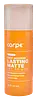 Key Ingredients
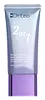
Benefits
Concerns
Ingredients Side-by-side
Titanium Dioxide 5.3%
Cosmetic Colorant

Zinc Oxide 2.4%
Cosmetic Colorant
Aluminum Hydroxide
EmollientCyclopentasiloxane
Emollient
Dimethicone Crosspolymer
Emulsion Stabilising
Helianthus Annuus Extract
Emollient
Hydrogen Dimethicone
Iron Oxides
Isopropyl Myristate
Emollient





Isopropyl Titanium Triisostearate
Emollient
Mica
Cosmetic ColorantOctyldodecyl Oleate
Emollient
Oryza Sativa Bran Extract
Skin Conditioning
Polyamide-5
Skin ConditioningPolysilicone-11
Propylene Carbonate
SolventRosmarinus Officinalis Leaf Extract
AntimicrobialSilica Silylate
Emollient
Stearalkonium Hectorite
Gel FormingSynthetic Wax
Abrasive
Tocopherol
Antioxidant






Titanium Dioxide 5.3%, Zinc Oxide 2.4%, Aluminum Hydroxide, Cyclopentasiloxane, Dimethicone Crosspolymer, Helianthus Annuus Extract, Hydrogen Dimethicone, Iron Oxides, Isopropyl Myristate, Isopropyl Titanium Triisostearate, Mica, Octyldodecyl Oleate, Oryza Sativa Bran Extract, Polyamide-5, Polysilicone-11, Propylene Carbonate, Rosmarinus Officinalis Leaf Extract, Silica Silylate, Stearalkonium Hectorite, Synthetic Wax, Tocopherol
Water
Skin ConditioningGlycerin
Humectant
Niacinamide
Smoothing




Sodium Hyaluronate
Humectant
Bifida Ferment Lysate
Skin Conditioning
Tremella Fuciformis Sporocarp Extract
Antioxidant
Abelmoschus Esculentus Fruit Extract
Skin ConditioningChamomilla Recutita Flower Extract
Masking
Glycyrrhiza Glabra Root Extract
Bleaching
Camellia Sinensis Leaf Extract
Antimicrobial
Cladosiphon Novae-Caledoniae Extract
HumectantPolygonum Cuspidatum Root Extract
Antioxidant
Centella Asiatica Extract
Cleansing
Sodium Acetylated Hyaluronate
Humectant
Rosmarinus Officinalis Leaf Extract
AntimicrobialScutellaria Baicalensis Root Extract
Astringent
Sodium Hyaluronate Crosspolymer
Humectant
Hydrolyzed Sodium Hyaluronate
Skin Conditioning
Cyclopentasiloxane
Emollient
Propylene Glycol
Humectant
Titanium Dioxide
Cosmetic Colorant
Cyclohexasiloxane
Emollient
Glycereth-26
Humectant
PEG-10 Dimethicone
Skin Conditioning
PEG-10 Dimethicone/Vinyl Dimethicone Crosspolymer
Stabilising
Magnesium Sulfate
Isononyl Isononanoate
Emollient1,2-Hexanediol
Skin Conditioning
Hydroxyacetophenone
Antioxidant
CI 77007
Cosmetic ColorantMagnesium Stearate
Cosmetic ColorantC12-15 Alkyl Benzoate
AntimicrobialPhenyl Trimethicone
Skin Conditioning
Butylene Glycol
Humectant
Pentylene Glycol
Skin Conditioning
Cetyl PEG/PPG-10/1 Dimethicone
Emulsifying
Triethoxycaprylylsilane
Aroma


Water, Glycerin, Niacinamide, Sodium Hyaluronate, Bifida Ferment Lysate, Tremella Fuciformis Sporocarp Extract, Abelmoschus Esculentus Fruit Extract, Chamomilla Recutita Flower Extract, Glycyrrhiza Glabra Root Extract, Camellia Sinensis Leaf Extract, Cladosiphon Novae-Caledoniae Extract, Polygonum Cuspidatum Root Extract, Centella Asiatica Extract, Sodium Acetylated Hyaluronate, Rosmarinus Officinalis Leaf Extract, Scutellaria Baicalensis Root Extract, Sodium Hyaluronate Crosspolymer, Hydrolyzed Sodium Hyaluronate, Cyclopentasiloxane, Propylene Glycol, Titanium Dioxide, Cyclohexasiloxane, Glycereth-26, PEG-10 Dimethicone, PEG-10 Dimethicone/Vinyl Dimethicone Crosspolymer, Magnesium Sulfate, Isononyl Isononanoate, 1,2-Hexanediol, Hydroxyacetophenone, CI 77007, Magnesium Stearate, C12-15 Alkyl Benzoate, Phenyl Trimethicone, Butylene Glycol, Pentylene Glycol, Cetyl PEG/PPG-10/1 Dimethicone, Triethoxycaprylylsilane, Aroma
Reviews
Ingredients Explained
These ingredients are found in both products.
Ingredients higher up in an ingredient list are typically present in a larger amount.
Cyclopentasiloxane (D5) is a lightweight silicone that mostly acts as an emollient and solvent in cosmetics. Its the reason your products feel silky, fast-spreading, and non-greasy.
Since D5 is volatile, it does its thing and then evaporates off the skin quickly.
The safety profile of this ingredient is reassuring; the US CIR Expert Panel concluded D5 is safe as used in cosmetics and Health Canada concluded that D5 is not harmful to human health or the environment as currently used in cosmetics
There's a study that people mention about D5 in a rat study showing tumors. This study is related to long-term inhalation of high D5 levels.
Regulatory bodies have judged this study to be not applicable in topical skincare since skin absorption of D5 is very low and we're not really inhaling huge amounts of D5.
The only restriction for this ingredient is environmental. The European Chemicals Agency (ECHA) restricted D5 in wash-off cosmetics at or above 0.1% due to their persistence in water.
Learn more about CyclopentasiloxaneThis is a botanical extract from the rosemary plant (the same one you cook with). In skincare, it mostly works as a skin conditioning agent.
Its activity comes from a handful of polyphenols, carnosic acid, carnosol, and rosmarinic acid. Almost 90% of the antioxidant activity of this ingredient can be attributed to canosol and carnosic acid.
These compounds protect your skin two ways:
1) They fight off free radicals, or the unstable molecules from things like sun and pollution that age and damage skin.
2) They help calm inflammation by switching off the chemical signals that tell skin to get red and irritated.
Lab studies also suggest that rosmarinic acid may help protect collagen and slow sugar-related damage to it.
The Cosmetic Ingredient Review has concluded rosemary-derived ingredients to be safe when formulated to be non-sensitizing.
Rosemary can occasionally cause allergic contact dermatitis (due to carnosol), so be sure to patch test if you have reactive or fragrance-sensitive skin.
Learn more about Rosmarinus Officinalis Leaf ExtractTitanium Dioxide (TD) is a mineral UV filter widely used in sunscreens and cosmetics.
It's one of only two UV filters officially classified as "mineral" by regulatory agencies (the other being Zinc Oxide).
A really common myth is that mineral filters work by reflecting UV light off your skin like tiny mirrors.
They don't only do that; modern research shows TD protects mostly by absorbing UV radiation, the same way chemical filters do.
When researchers measured this, reflection accounted for only about 4-5% of the protection (and less than SPF 2 on its own). The other ~95% comes from absorption: the UV photons hit the particle and their energy gets soaked up by its semiconductor band gap rather than bouncing off.
So "reflects vs. absorbs" was never really the right way to split mineral from chemical filters.
TD gives broad-spectrum protection that's strongest in the UVB and UVA-2 range and weaker in the UVA-1 range. Its UVA protection isn't quite as strong as Zinc Oxide's which is why you'll often see the two paired together.
Together, they make a solid broad-spectrum system.
TD is a great pick for sensitive, acne-prone, or redness-prone skin because it's non-irritating and chemically inert. Regulatory reviews classify it as a non-sensitizer and mild-to-non-irritant.
It's also unlikely to cause the "eye sting" some chemical filters are known for.
The main trade-off is cosmetic; TD can leave a white cast and has a thicker texture. This is why mineral sunscreens are often less cosmetically elegant than chemical or hybrid formulas (and harder to shade-match on deeper skin tones).
Formulators often use micronized or nano-sized TD to cut down on white case and improve spreadability. Smaller particles scatter less visible light so the formula looks less chalky while still filtering UV.
TD is almost always bundled with coatings like Alumina, Silica, Stearic Acid, or Dimethicone. These coatings do two important jobs:
TD can be used at up to 25% in a finished sunscreen; this is the regulatory ceiling in both the US and the EU.
In practice, the amount in any given product varies a lot depending on the target SPF and whether it's paired with other UV filters.
TD is one of the most heavily vetted sunscreen ingredients out there. It is approved as a UV filter in all major markets worldwide, including the US, EU, UK, Japan, Korea, China, Australia, and Canada.
The safety evidence is solid. There was an old worry that nano particles might absorb through skin into the body but multiple studies (including on damaged, sunburned, and UV-irradiated skin) have shown that TD stays on the surface and the layer of dead skin cells on top of everything else.
There's also no evidence of carcinogenicity, mutagenicity, or reproductive toxicity from dermal exposure of this ingredient.
For those who have seen the headline about a 2022 EU ban on TD, that was on TD as a food additive (a complete separate use from topical sunscreen).
There are ongoing questions about how nano-TD might affect marine ecosystems. As of now, there has been no conclusive evidence that any form of TD (or any other sunscreen filter) harms coral reefs or marine life.
The science is still developing and it's a space worth watching rather than packing over.
However, several destinations have reef-safety sunscreen rules that restrict certain chemical filters and steer visitors toward mineral, non-nano options. If you're traveling somewhere with these rules, a non-nano mineral sunscreen is the safe bet.
Learn more about Titanium Dioxide

