Carenology95 Re:Blue Regenerating Serum Versus Dior Capture Totale C.E.L.L. ENERGY - Super Potent Age-Defying Intense Serum
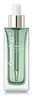
This calming serum is formulated around Beta-Glucan to calm redness and strengthen the skin barrier.
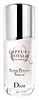
This anti-aging serum is formulated around Niacinamide and Squalane to soften the look of wrinkles and strengthen the skin barrier.


What's inside
What's inside
 Key Ingredients
Benefits
Concerns
Ingredients Side-by-side
Hamamelis Virginiana Flower Water
AstringentPolysorbate 80
Emulsifying

Alcohol Denat.
Antimicrobial



1,2-Hexanediol
Skin Conditioning
Beta-Glucan
Skin Conditioning



Glycerin
Humectant
Cellulose Gum
Emulsion StabilisingPelargonium Graveolens Flower Oil
Masking



Butylene Glycol
Humectant
Tanacetum Vulgare Extract
Skin ConditioningCaprylyl Glycol
Emollient
Aloe Barbadensis Leaf Extract
Emollient
Vitis Vinifera Fruit Extract
Skin ConditioningCamellia Sinensis Leaf Extract
Antimicrobial




Panthenol
Skin Conditioning
Betaine
Humectant
Rosa Damascena Flower Oil
Masking
Hamamelis Virginiana Flower Water, Polysorbate 80, Alcohol Denat., 1,2-Hexanediol, Beta-Glucan, Glycerin, Cellulose Gum, Pelargonium Graveolens Flower Oil, Butylene Glycol, Tanacetum Vulgare Extract, Caprylyl Glycol, Aloe Barbadensis Leaf Extract, Vitis Vinifera Fruit Extract, Camellia Sinensis Leaf Extract, Panthenol, Betaine, Rosa Damascena Flower Oil
Water
Skin ConditioningGlycerin
Humectant
Niacinamide
Smoothing



Butylene Glycol
Humectant
Squalane
Emollient
Limnanthes Alba Seed Oil
Skin Conditioning
Pentylene Glycol
Skin Conditioning
Alcohol
Antimicrobial
Propanediol
Solvent
Betaine
Humectant
Diglycerin
Humectant
Lauroyl Lysine
Skin Conditioning
PEG-8
HumectantAframomum Angustifolium Seed Extract
Skin ConditioningPaeonia Lactiflora Root Extract
Skin ConditioningLilium Candidum Bulb Extract
Skin ConditioningJasminum Officinale Flower Extract
Masking
Sodium Surfactin
CleansingSodium Acetylated Hyaluronate
Humectant
Hydrolyzed Soy Protein
Humectant
Ascorbyl Glucoside
Antioxidant
Sodium Tocopheryl Phosphate
Antioxidant
Adenosine
Skin Conditioning
Xylitol
Humectant
Trehalose
Humectant
Palmaria Palmata Extract
Skin Protecting
Sodium Hyaluronate
Humectant
Hydroxyethyl Acrylate/Sodium Acryloyldimethyl Taurate Copolymer
Emulsion StabilisingBoron Nitride
Absorbent
Caprylyl Glycol
Emollient
Hydrogenated Lecithin
Emulsifying
Parfum
Masking
Chlorphenesin
Antimicrobial
Alcaligenes Polysaccharides
EmollientPolysorbate 60
Emulsifying
Sorbitan Isostearate
Emulsifying
CI 14700
Cosmetic ColorantCI 60730
Cosmetic ColorantSodium Benzoate
Masking
Potassium Sorbate
Preservative
Tocopherol
Antioxidant
Water, Glycerin, Niacinamide, Butylene Glycol, Squalane, Limnanthes Alba Seed Oil, Pentylene Glycol, Alcohol, Propanediol, Betaine, Diglycerin, Lauroyl Lysine, PEG-8, Aframomum Angustifolium Seed Extract, Paeonia Lactiflora Root Extract, Lilium Candidum Bulb Extract, Jasminum Officinale Flower Extract, Sodium Surfactin, Sodium Acetylated Hyaluronate, Hydrolyzed Soy Protein, Ascorbyl Glucoside, Sodium Tocopheryl Phosphate, Adenosine, Xylitol, Trehalose, Palmaria Palmata Extract, Sodium Hyaluronate, Hydroxyethyl Acrylate/Sodium Acryloyldimethyl Taurate Copolymer, Boron Nitride, Caprylyl Glycol, Hydrogenated Lecithin, Parfum, Chlorphenesin, Alcaligenes Polysaccharides, Polysorbate 60, Sorbitan Isostearate, CI 14700, CI 60730, Sodium Benzoate, Potassium Sorbate, Tocopherol
Reviews
Ingredients Explained
These ingredients are found in both products.
Ingredients higher up in an ingredient list are typically present in a larger amount.
Betaine is a humectant. Like hyaluronic acid, it helps attract and retain moisture in the skin. It’s known for being gentle and for helping the skin maintain balanced hydration.
Betaine is mainly used to improve hydration and support calmer skin. It helps skin cells regulate water balance because it functions as an osmolyte.
Some studies suggest betaine may support making skin tone more even.
Fun fact: Betaine naturally exists in the skin and the body. In cosmetic products, it can be either plant-derived (most commonly from sugar beets) or synthetically produced for consistency and stability.
Betaine is also known as trimethylglycine.
Learn more about BetaineButylene Glycol (or BG) is used within cosmetic products for a few different reasons:
Overall, Butylene Glycol is a safe and well-rounded ingredient that works well with other ingredients.
Though this ingredient works well with most skin types, some people with sensitive skin may experience a reaction such as allergic rashes, closed comedones, or itchiness.
Learn more about Butylene GlycolCaprylyl Glycol is a humectant, skin conditioner, emollient, and preservative booster derived from either caprylic acid or synthetically created.
Typical use levels vary from 0.3-1% as a preservative booster and go up to 2% to condition skin.
Because it is not a free-fatty acid, this ingredient is fungal acne safe (there's nothing for Malassezia to feed on).
Learn more about Caprylyl GlycolGlycerin (or glycerol) is a compound naturally found in your skin. It's a powerhouse humectant that pulls water into the stratum corneum.
Topically, glycerin does several things at once:
Your skin makes glycerin on its own (mostly from sebaceous oil breakdown) and shuttles it to your outermost layer of skin, or your epidermis, via aquaporin-3.
Aquaporin-3 is a transporter that is essential for normal skin hydration, elasticity, and repair. Interestingly, mice lacking in AQP3 have dry and less elastic skin that can be fully corrected with glycerin.
This ingredient is non-irritating, plays well with almost every ingredient, and works across all skin types. Typical use is anywhere between 3-10% but can go up to 79% in some leave-on products.
Just know very high concentrations (>40%) can feel tacky in low humidity.
Glycerin is the name for this ingredient in American English. British English uses Glycerol/Glycerine.
Learn more about Glycerin

