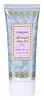
This hybrid sunscreen covers the full UV range and blocks ~98% of UVB at SPF 50.
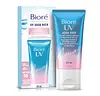
This chemical sunscreen covers most of the UV range, lighter on the deep UVA that drives aging.

What's inside
What's inside
 Key Ingredients
Benefits
Concerns
Ingredients Side-by-side
Water
Skin ConditioningEthylhexyl Methoxycinnamate
UV Absorber


Butylene Glycol
Humectant

Diethylamino Hydroxybenzoyl Hexyl Benzoate
UV Filter
Zinc Oxide
Cosmetic Colorant
Methylheptyl Isostearate
Skin ConditioningTitanium Dioxide
Cosmetic Colorant
Dimethicone
Emollient

Bis-Ethylhexyloxyphenol Methoxyphenyl Triazine
UV Absorber
Polymethylsilsesquioxane
Cyclopentasiloxane
Emollient
Ammonium Acryloyldimethyltaurate/Vp Copolymer
Diisostearyl Malate
EmollientAluminum Hydroxide
EmollientPEG-60 Hydrogenated Castor Oil
Emulsifying


Stearic Acid
Cleansing
Phenoxyethanol
Preservative
Polyglyceryl-3 Polydimethylsiloxyethyl Dimethicone
Skin Conditioning
Polyhydroxystearic Acid
Emulsifying
Jojoba Esters
Emollient
Xanthan Gum
EmulsifyingArginine
Masking
Hyaluronic Acid
Humectant

Alpha-Glucan
HumectantPhytic Acid
Chelating

Saxifraga Sarmentosa Extract
Skin ConditioningGlucosyl Ceramide
Skin Conditioning

Prunus Yedoensis Leaf Extract
Skin ConditioningCoix Lacryma-Jobi Ma-Yuen Seed Oil
Skin Conditioning
Morus Alba Root Extract
BleachingOenothera Biennis Seed Extract
Skin ConditioningSilver Oxide
AntimicrobialSpiraea Ulmaria Flower Extract
Skin ConditioningVaccinium Myrtillus Bud Extract
Antioxidant
Cynara Scolymus Leaf Extract
Skin ConditioningWater, Ethylhexyl Methoxycinnamate, Butylene Glycol, Diethylamino Hydroxybenzoyl Hexyl Benzoate, Zinc Oxide, Methylheptyl Isostearate, Titanium Dioxide, Dimethicone, Bis-Ethylhexyloxyphenol Methoxyphenyl Triazine, Polymethylsilsesquioxane, Cyclopentasiloxane, Ammonium Acryloyldimethyltaurate/Vp Copolymer, Diisostearyl Malate, Aluminum Hydroxide, PEG-60 Hydrogenated Castor Oil, Stearic Acid, Phenoxyethanol, Polyglyceryl-3 Polydimethylsiloxyethyl Dimethicone, Polyhydroxystearic Acid, Jojoba Esters, Xanthan Gum, Arginine, Hyaluronic Acid, Alpha-Glucan, Phytic Acid, Saxifraga Sarmentosa Extract, Glucosyl Ceramide, Prunus Yedoensis Leaf Extract, Coix Lacryma-Jobi Ma-Yuen Seed Oil, Morus Alba Root Extract, Oenothera Biennis Seed Extract, Silver Oxide, Spiraea Ulmaria Flower Extract, Vaccinium Myrtillus Bud Extract, Cynara Scolymus Leaf Extract
Butyl Methoxydibenzoylmethane 3%
UV Absorber
Homosalate 10%
Skin Conditioning
Ethylhexyl Salicylate 5%
UV Absorber
Octocrylene 5%
UV Absorber
Water
Skin ConditioningAlcohol Denat.
Antimicrobial

Lauryl Methacrylate/Sodium Methacrylate Crosspolymer
Diethylhexyl 2,6-Naphthalate
EmollientGlycerin
Humectant
Dextrin Palmitate
Emulsifying
Niacinamide
Smoothing





Dicaprylyl Ether
Emollient
Phenoxyethanol
Preservative
Acrylates/C10-30 Alkyl Acrylate Crosspolymer
Emulsion StabilisingParfum
Masking

Mica
Cosmetic ColorantGlyceryl Behenate
Emollient
Phenyl Trimethicone
Skin Conditioning
Cetyl Alcohol
Emollient

CI 77491
Cosmetic ColorantSorbitan Distearate
EmollientSodium Hydroxide
BufferingStearoyl Glutamic Acid
CleansingArginine
Masking
Silica
Abrasive
Disodium EDTA
ChelatingSodium Hyaluronate
Humectant
Butyl Methoxydibenzoylmethane 3%, Homosalate 10%, Ethylhexyl Salicylate 5%, Octocrylene 5%, Water, Alcohol Denat., Lauryl Methacrylate/Sodium Methacrylate Crosspolymer, Diethylhexyl 2,6-Naphthalate, Glycerin, Dextrin Palmitate, Niacinamide, Dicaprylyl Ether, Phenoxyethanol, Acrylates/C10-30 Alkyl Acrylate Crosspolymer, Parfum, Mica, Glyceryl Behenate, Phenyl Trimethicone, Cetyl Alcohol, CI 77491, Sorbitan Distearate, Sodium Hydroxide, Stearoyl Glutamic Acid, Arginine, Silica, Disodium EDTA, Sodium Hyaluronate
Reviews
Ingredients Explained
These ingredients are found in both products.
Ingredients higher up in an ingredient list are typically present in a larger amount.
Arginine is a semi-essential amino acid. This just means our bodies can product a bit on its own, but sometimes needs a little boost from food sources.
It is a part of your skin's natural moisturizing factor (NMF), or the water-loving molecules in your outermost layer of skin (stratum corneum) that keeps everything hydrated and happy.
Here's an interesting thing about Arginine: your skin converts it into urea through the Krebs-Henseleit urea cycle. Urea is one of the most effective humectants your skin naturally produces.
A clinical study showed applying 2.5% arginine hydrochloride to atopic dermatitis skin showed significant urea levels in the stratum corneum and improved moisture in just four weeks.
Arginine is also a precursor to nitric oxide; nitric oxide improves microcirculation and supports wound healing and collagen synthesis.
One study found that an amino acid complex containing Arginine reduced skin irritation, improved hydration, and accelerated skin repair in clinical / in-vivo studies.
Arginine itself is an amino acid and not a fatty acid, oil, or ester. On its own, it's not a direct food source for Malassezia, or the yeast that causes fungal acne.
Learn more about ArgininePhenoxyethanol is one of the most widely used preservatives in skincare (and for good reason!).
It has a large spectrum of antimicrobial activity and especially effective bacteria, yeast, and mold while only having a weak effect on your skin's natural microbiome.
On a cellular level, it disrupts the cell membranes of microbes by poking holes that make the cell leak. This shuts down the chemical reactions the microbe needs to make energy so it can no longer survive.
Another perk of this ingredient is that it stays functional across a wide pH range (3-10).
You'll often see it paired with boosters like Ethylhexylglycerin; one study showed that a 1:9 ratio of Ethylhexylglycerin to Phenoxyethanol damages bacterial membranes as effectively as doubling the Phenoxyethanol concentration on its own.
Typical use concentrations range from 0.3-1% depending on the formula, and this ingredient is capped at 1% int the EU.
Safety-wise, the fear mongering does not hold up to the evidence. The EU's Scientific Committee on Consumer Safety and FDA consider it safe as a preservative at up to 1%, including for children of all ages.
Adverse systemic effects only showed up in animal studies at exposures roughly 200x higher than what people get from cosmetics. And despite its very widespread use, this ingredient is a rare sensitizer and allergic reactions are uncommon.
Learn more about PhenoxyethanolWater. It's the most common cosmetic ingredient of all. You'll usually see it at the top of ingredient lists, meaning that it makes up the largest part of the product.
So why is it so popular? Water most often acts as a solvent - this means that it helps dissolve other ingredients into the formulation.
You'll also recognize water as that liquid we all need to stay alive. If you see this, drink a glass of water. Remember to stay hydrated!
Learn more about Water

