BYOMA Moisturizing Gel-Cream Versus Andalou Naturals Age Defying Rejuvenating Plant Based Retinol Alternative Cream
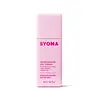
This barrier-repair moisturizer is formulated around Niacinamide and Ceramide NP to strengthen the skin barrier and hydrate skin.
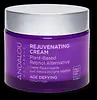
This anti-aging moisturizer is formulated around Bakuchiol to soften the look of wrinkles and refine skin texture.


What's inside
What's inside
 Key Ingredients
Benefits
Concerns
Ingredients Side-by-side
Water
Skin ConditioningGlycerin
Humectant


Caprylic/Capric Triglyceride
Masking
Pentaerythrityl Tetraethylhexanoate
Emollient
Polyglyceryl-3 Methylglucose Distearate
Emulsifying

Niacinamide
Smoothing









Ceramide NP
Skin Conditioning
Cholesterol
Emollient
Phytosphingosine
Skin Conditioning
Camellia Sinensis Leaf Extract
Antimicrobial
Stearic Acid
Cleansing
Oleic Acid
Emollient

Lactic Acid
Buffering

Hydrogenated Lecithin
Emulsifying
Cetearyl Alcohol
Emollient
Panthenol
Skin Conditioning
Carbomer
Emulsion StabilisingXanthan Gum
EmulsifyingTromethamine
Buffering1,2-Hexanediol
Skin Conditioning
Caprylyl Glycol
Emollient
Hydroxyacetophenone
Antioxidant
Caprylhydroxamic Acid
ChelatingWater, Glycerin, Caprylic/Capric Triglyceride, Pentaerythrityl Tetraethylhexanoate, Polyglyceryl-3 Methylglucose Distearate, Niacinamide, Ceramide NP, Cholesterol, Phytosphingosine, Camellia Sinensis Leaf Extract, Stearic Acid, Oleic Acid, Lactic Acid, Hydrogenated Lecithin, Cetearyl Alcohol, Panthenol, Carbomer, Xanthan Gum, Tromethamine, 1,2-Hexanediol, Caprylyl Glycol, Hydroxyacetophenone, Caprylhydroxamic Acid
Water
Skin ConditioningGlycerin
Humectant
Dicaprylyl Carbonate
EmollientStearyl Alcohol
Emollient
Cetyl Alcohol
Emollient
Malus Domestica Fruit Cell Culture Extract
Skin ConditioningGlyceryl Stearate
Emollient
Caprylic/Capric Triglyceride
Masking
Glyceryl Stearate Citrate
Emollient
Bakuchiol
Antimicrobial
Tapioca Starch
Myristyl Myristate
Emollient
1,2-Hexanediol
Skin Conditioning
Caprylyl Glycol
Emollient
Aloe Barbadensis Leaf Juice
Skin Conditioning
Vitis Vinifera Fruit Cell Extract
Skin ConditioningEuterpe Oleracea Fruit Extract
Aronia Melanocarpa Fruit Extract
Skin ConditioningLycium Barbarum Fruit Extract
Astringent
Xanthan Gum
EmulsifyingLinum Usitatissimum Seed Oil
Perfuming

Allantoin
Skin Conditioning
Helianthus Annuus Seed Oil
Emollient
Panthenol
Skin Conditioning
Simmondsia Chinensis Seed Oil
Emollient
Camellia Sinensis Leaf Extract
Antimicrobial
Squalane
Emollient
Tocopherol
Antioxidant
Sodium Benzoate
Masking
Isomalt
HumectantLecithin
Emollient
Potassium Sorbate
Preservative
Parfum
Masking
Water, Glycerin, Dicaprylyl Carbonate, Stearyl Alcohol, Cetyl Alcohol, Malus Domestica Fruit Cell Culture Extract, Glyceryl Stearate, Caprylic/Capric Triglyceride, Glyceryl Stearate Citrate, Bakuchiol, Tapioca Starch, Myristyl Myristate, 1,2-Hexanediol, Caprylyl Glycol, Aloe Barbadensis Leaf Juice, Vitis Vinifera Fruit Cell Extract, Euterpe Oleracea Fruit Extract, Aronia Melanocarpa Fruit Extract, Lycium Barbarum Fruit Extract, Xanthan Gum, Linum Usitatissimum Seed Oil, Allantoin, Helianthus Annuus Seed Oil, Panthenol, Simmondsia Chinensis Seed Oil, Camellia Sinensis Leaf Extract, Squalane, Tocopherol, Sodium Benzoate, Isomalt, Lecithin, Potassium Sorbate, Parfum
Reviews
Ingredients Explained
These ingredients are found in both products.
Ingredients higher up in an ingredient list are typically present in a larger amount.
1,2-Hexanediol is a synthetic liquid and another multi-functional powerhouse.
It is a:
- Humectant, drawing moisture into the skin
- Emollient, helping to soften skin
- Solvent, dispersing and stabilizing formulas
- Preservative booster, enhancing the antimicrobial activity of other preservatives
Camellia Sinensis Leaf Extract (tea extract) is one of the most well-researched plant extracts in skincare with an impressive resume.
Black tea, green tea, and oolong tea are all harvested from the Camellia Sinensis plant.
Studies show green tea extract and its catechins (like epigallocatechin gallate (EGCG)) help your skin cells product energy more efficiently and reducing the number of free-radicals that can damage your skin from the inside.
In lab-grown skin models, this translated to younger, healthier, and stronger skin.
There's also good sun protection data; researchers saw less DNA damage and redness on human skin when green tea was applied before UVB exposure. And the more they applied, the better the protection.
Needless to say, this ingredient shouldn't replace your sunscreen. But it is a great supportive ingredient that you can already find in many sunscreens and antioxidant serums.
A 2009 study found a 2% green tea lotion was effective for mild-to-moderate acne thanks to its anti-inflammatory and mild antimicrobial activity.
The quality of the extract matters a lot here:
Good extracts contain 50-90% catechins while lower quality ones are mostly there for marketing. We recommend reaching out to the brand if you have questions about the quality or source of their ingredients.
Human Repeated Insult Patch Testing showed no irritation or sensitization at use concentrations (0.86% in leave-on products and up to 30% as leaf water).
Learn more about Camellia Sinensis Leaf ExtractCaprylic/Capric Triglyceride (aka MCT Oil) is a lightweight emollient, solvent, and texture enhancer. It is considered a skin-softener by helping to prevent moisture loss.
Though it behaves like an oil, it is not technically one due to its chemical composition. One perk of this ingredient is that it is very stable, resistant to oxidation, and unlikely to go rancid.
In practice, that translates to a long shelf life and a consistently elegant skin feel.
While there is an assumption Caprylic Triglyceride can clog pores due to it being derived from coconut oil, there is no research supporting this. Just patch test if you have concerns.
Fractionated coconut oil and MCT Oil are both listed as Caprylic/Capric Triglyceride according to INCI. This is because INCI names are based on the ingredient’s final chemical composition and not its marketing name or source.
This ingredient is treated as the gold standard fungal acne safe oil. Even though it is coconut derived, the problematic lauric acid is stripped out.
This leaves just caprylic (C8) and capric (C10) acid. These chain lengths actually trend antifungal; a 2020 study found caprylic acid was enough to disrupt Malassezia furfur cell membrane, with a caprylic acid derivative damaging membrane structures at concentrations as low as 0.2%.
Learn more about Caprylic/Capric TriglycerideCaprylyl Glycol is a humectant, skin conditioner, emollient, and preservative booster derived from either caprylic acid or synthetically created.
Typical use levels vary from 0.3-1% as a preservative booster and go up to 2% to condition skin.
Because it is not a free-fatty acid, this ingredient is fungal acne safe (there's nothing for Malassezia to feed on).
Learn more about Caprylyl GlycolGlycerin (or glycerol) is a compound naturally found in your skin. It's a powerhouse humectant that pulls water into the stratum corneum.
Topically, glycerin does several things at once:
Your skin makes glycerin on its own (mostly from sebaceous oil breakdown) and shuttles it to your outermost layer of skin, or your epidermis, via aquaporin-3.
Aquaporin-3 is a transporter that is essential for normal skin hydration, elasticity, and repair. Interestingly, mice lacking in AQP3 have dry and less elastic skin that can be fully corrected with glycerin.
This ingredient is non-irritating, plays well with almost every ingredient, and works across all skin types. Typical use is anywhere between 3-10% but can go up to 79% in some leave-on products.
Just know very high concentrations (>40%) can feel tacky in low humidity.
Glycerin is the name for this ingredient in American English. British English uses Glycerol/Glycerine.
Learn more about GlycerinPanthenol is a common ingredient that helps hydrate and soothe the skin. It is found naturally in our skin and hair.
There are two forms of panthenol: D and L.
D-panthenol is also known as dexpanthenol. Most cosmetics use dexpanthenol or a mixture of D and L-panthenol.
Panthenol is famous due to its ability to go deeper into the skin's layers. Using this ingredient has numerous pros (and no cons):
Like hyaluronic acid, panthenol is a humectant. Humectants are able to bind and hold large amounts of water to keep skin hydrated.
This ingredient works well for wound healing. It works by increasing tissue in the wound and helps close open wounds.
Once oxidized, panthenol converts to pantothenic acid. Panthothenic acid is found in all living cells.
This ingredient is also referred to as pro-vitamin B5.
Learn more about PanthenolWater. It's the most common cosmetic ingredient of all. You'll usually see it at the top of ingredient lists, meaning that it makes up the largest part of the product.
So why is it so popular? Water most often acts as a solvent - this means that it helps dissolve other ingredients into the formulation.
You'll also recognize water as that liquid we all need to stay alive. If you see this, drink a glass of water. Remember to stay hydrated!
Learn more about WaterXanthan gum is used as a stabilizer and thickener within cosmetic products. It helps give products a sticky, thick feeling - preventing them from being too runny.
On the technical side of things, xanthan gum is a polysaccharide - a combination consisting of multiple sugar molecules bonded together.
Xanthan gum is a pretty common and great ingredient. It is a natural, non-toxic, non-irritating ingredient that is also commonly used in food products.
Learn more about Xanthan Gum

