
What's inside
What's inside
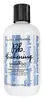 Key Ingredients
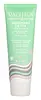
Benefits
Concerns
Ingredients Side-by-side
Water
Skin ConditioningSodium Laureth Sulfate
Cleansing



Sodium Chloride
MaskingLauramidopropyl Betaine
CleansingAloe Barbadensis Leaf Juice
Skin Conditioning


Panthenol
Skin Conditioning

Tocopherol
Antioxidant




Acetamide Mea
Foam BoostingMyristamine Oxide
CleansingMagnesium Chloride
Sorbitol
Humectant
Caprylyl Glycol
Emollient
Polyquaternium-11
Polyquaternium-10
Citric Acid
Buffering

Sodium Hydroxide
BufferingHexylene Glycol
EmulsifyingParfum
Masking

Hexyl Cinnamal
Perfuming
Linalool
Perfuming
Hydroxycitronellal
Perfuming
Tetrasodium EDTA
ChelatingMagnesium Nitrate
Phenoxyethanol
Preservative
Potassium Sorbate
Preservative
Extracts
CI 60730
Cosmetic ColorantWater, Sodium Laureth Sulfate, Sodium Chloride, Lauramidopropyl Betaine, Aloe Barbadensis Leaf Juice, Panthenol, Tocopherol, Acetamide Mea, Myristamine Oxide, Magnesium Chloride, Sorbitol, Caprylyl Glycol, Polyquaternium-11, Polyquaternium-10, Citric Acid, Sodium Hydroxide, Hexylene Glycol, Parfum, Hexyl Cinnamal, Linalool, Hydroxycitronellal, Tetrasodium EDTA, Magnesium Nitrate, Phenoxyethanol, Potassium Sorbate, Extracts, CI 60730
Sea Salt
Abrasive
Cocamidopropyl Hydroxysultaine
Cleansing
Glycerin
Humectant
Sucrose
Humectant
Glyceryl Caprylate/Caprate
EmollientSodium Methyl Cocoyl Taurate
Cleansing
Sodium Cocoyl Isethionate
Cleansing
Jojoba Esters
Emollient
Charcoal Powder
Abrasive

Rosmarinus Officinalis Leaf Extract
AntimicrobialLavandula Angustifolia Flower Extract
Cleansing
Rosa Moschata Seed Oil
Emollient
Mentha Piperita Oil
Masking
Menthol
Masking
Melaleuca Alternifolia Leaf Oil
Antioxidant
Glyceryl Stearate Se
Emulsifying

Lactococcus Ferment Lysate
Skin Conditioning
Oryza Sativa Bran Extract
Skin Conditioning
Helianthus Annuus Extract
Emollient
Tocopherol
Antioxidant
Sodium Benzoate
Masking
Potassium Sorbate
Preservative
Sodium Gluconate
ChelatingIron Oxides
Citric Acid
Buffering
Parfum
Masking
Sea Salt, Cocamidopropyl Hydroxysultaine, Glycerin, Sucrose, Glyceryl Caprylate/Caprate, Sodium Methyl Cocoyl Taurate, Sodium Cocoyl Isethionate, Jojoba Esters, Charcoal Powder, Rosmarinus Officinalis Leaf Extract, Lavandula Angustifolia Flower Extract, Rosa Moschata Seed Oil, Mentha Piperita Oil, Menthol, Melaleuca Alternifolia Leaf Oil, Glyceryl Stearate Se, Lactococcus Ferment Lysate, Oryza Sativa Bran Extract, Helianthus Annuus Extract, Tocopherol, Sodium Benzoate, Potassium Sorbate, Sodium Gluconate, Iron Oxides, Citric Acid, Parfum
Reviews
Ingredients Explained
These ingredients are found in both products.
Ingredients higher up in an ingredient list are typically present in a larger amount.
Citric Acid is an alpha hydroxy acid (AHA) naturally found in citrus fruits like oranges, lemons, and limes.
Like other AHAs, citric acid can exfoliate skin by breaking down the bonds that hold dead skin cells together. This helps reveal smoother and brighter skin underneath.
However, this exfoliating effect only happens at high concentrations (20%) which can be hard to find in cosmetic products.
Due to this, citric acid is usually included in small amounts as a pH adjuster. This helps keep products slightly more acidic and compatible with skin's natural pH.
In skincare formulas, citric acid can:
While it can provide some skin benefits, research shows lactic acid and glycolic acid are generally more effective and less irritating exfoliants.
Most citric acid used in skincare today is made by fermenting sugars (usually from molasses). This synthetic version is identical to the natural citrus form but easier to stabilize and use in formulations.
Rosacea skin has a lower threshold for acids generally, with 62.5% of rosacea subjects in one study reacting to lactic acid in a sting test. This is why we mark citric acid as a potential rosacea trigger.
However, this ingredient shows up as a pH adjuster or chelator at roughly 0.1-1% in many products. These low levels are unlikely to be an issue for rosacea skin and becomes a potential trigger at exfoliating concentrations (20%). Because everybody's skin is unique, we recommend a patch test if you are unsure.
Learn more about Citric AcidParfum is a catch-all term for an ingredient or more that is used to give a scent to products.
Also called "fragrance", this ingredient can be a blend of hundreds of chemicals or plant oils. This means every product with "fragrance" or "parfum" in the ingredients list is a different mixture.
For instance, Habanolide is a proprietary trade name for a specific aroma chemical. When used as a fragrance ingredient in cosmetics, most aroma chemicals fall under the broad labeling category of “FRAGRANCE” or “PARFUM” according to EU and US regulations.
The term 'parfum' or 'fragrance' is not regulated in many countries. In many cases, it is up to the brand to define this term.
For instance, many brands choose to label themselves as "fragrance-free" because they are not using synthetic fragrances. However, their products may still contain ingredients such as essential oils that are considered a fragrance by INCI standards.
One example is Calendula flower extract. Calendula is an essential oil that still imparts a scent or 'fragrance'.
Depending on the blend, the ingredients in the mixture can cause allergies and sensitivities on the skin. Some ingredients that are known EU allergens include linalool and citronellol.
Parfum can also be used to mask or cover an unpleasant scent.
The bottom line is: not all fragrances/parfum/ingredients are created equally. If you are worried about fragrances, we recommend taking a closer look at an ingredient. And of course, we always recommend speaking with a professional.
Learn more about ParfumPotassium Sorbate is a preservative used to prevent yeast and mold in products. It is commonly found in both cosmetic and food products.
This ingredient comes from potassium salt derived from sorbic acid. Sorbic acid is a natural antibiotic and effective against fungus.
Both potassium sorbate and sorbic acid can be found in baked goods, cheeses, dried meats, dried fruit, ice cream, pickles, wine, yogurt, and more.
You'll often find this ingredient used with other preservatives.
Learn more about Potassium SorbateTocopherol is a fat-soluble antioxidant known as Vitamin E.
You'll find this ingredient in the vast majority of skincare (for good reason). It works to neutralize free radicals, or unstable molecules generated by UV exposure, pollution, and other environmental stressors, before they can cause oxidative damage to your skin cells.
Topically applied tocopherol has been shown to protect against UV damage by ramping up the skin's own natural defense enzymes.
It also acts as a skin conditioning agent; some studies show that regular topical use can improve the skin's water-binding capacity over 2-4 weeks.
This ingredient is especially loved for being a team player. When combined with Vitamin C, the photoprotective effect of both ingredients roughly doubles and the combo also helps reduce UV-induced DNA damage.
This ingredient has some brightening potential but it's more of a prevention ingredient than spot-fader. Cell studies show it can slow down melanin production but it's worth noting that it's not the most powerful brightener out there.
In formulations, it also serves as a stabilizer that helps protect other oxidation-prone ingredients from degrading.
Concentrations usually range from 0.1-1% in most leave-on products.
Learn more about Tocopherol

