

What's inside
What's inside
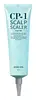 Key Ingredients
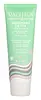
Benefits
Concerns
Ingredients Side-by-side
Sodium Chloride 36%
MaskingCocamidopropyl Betaine
Cleansing



Coco-Betaine
Cleansing
Potassium Cocoate
Emulsifying
Coco-Glucoside
Cleansing
1,2-Hexanediol
Skin Conditioning
Camellia Sinensis Leaf Extract
Antimicrobial






Centella Asiatica Extract
Cleansing


Melaleuca Alternifolia Leaf Extract
Perfuming
Lavandula Angustifolia Extract
Skin Conditioning
Mentha Citrata Leaf Extract
Astringent
Mentha Piperita Leaf Extract
Skin ConditioningFreesia Refracta Extract
Skin ConditioningChamomilla Recutita Extract
Skin Conditioning
Rosmarinus Officinalis Leaf Extract
AntimicrobialPanthenol
Skin Conditioning
Illicium Verum Fruit Extract
Perfuming
Scutellaria Baicalensis Extract
AntimicrobialButylene Glycol
Humectant
Glycolic Acid
Buffering



Parfum
Masking
Sodium Chloride 36%, Cocamidopropyl Betaine, Coco-Betaine, Potassium Cocoate, Coco-Glucoside, 1,2-Hexanediol, Camellia Sinensis Leaf Extract, Centella Asiatica Extract, Melaleuca Alternifolia Leaf Extract, Lavandula Angustifolia Extract, Mentha Citrata Leaf Extract, Mentha Piperita Leaf Extract, Freesia Refracta Extract, Chamomilla Recutita Extract, Rosmarinus Officinalis Leaf Extract, Panthenol, Illicium Verum Fruit Extract, Scutellaria Baicalensis Extract, Butylene Glycol, Glycolic Acid, Parfum
Sea Salt
Abrasive
Cocamidopropyl Hydroxysultaine
Cleansing
Glycerin
Humectant
Sucrose
Humectant
Glyceryl Caprylate/Caprate
EmollientSodium Methyl Cocoyl Taurate
Cleansing
Sodium Cocoyl Isethionate
Cleansing
Jojoba Esters
Emollient
Charcoal Powder
Abrasive
Rosmarinus Officinalis Leaf Extract
AntimicrobialLavandula Angustifolia Flower Extract
Cleansing
Rosa Moschata Seed Oil
Emollient
Mentha Piperita Oil
Masking
Menthol
Masking
Melaleuca Alternifolia Leaf Oil
Antioxidant
Glyceryl Stearate Se
Emulsifying

Lactococcus Ferment Lysate
Skin Conditioning
Oryza Sativa Bran Extract
Skin Conditioning
Helianthus Annuus Extract
Emollient
Tocopherol
Antioxidant
Sodium Benzoate
Masking
Potassium Sorbate
Preservative
Sodium Gluconate
ChelatingIron Oxides
Citric Acid
Buffering
Parfum
Masking
Sea Salt, Cocamidopropyl Hydroxysultaine, Glycerin, Sucrose, Glyceryl Caprylate/Caprate, Sodium Methyl Cocoyl Taurate, Sodium Cocoyl Isethionate, Jojoba Esters, Charcoal Powder, Rosmarinus Officinalis Leaf Extract, Lavandula Angustifolia Flower Extract, Rosa Moschata Seed Oil, Mentha Piperita Oil, Menthol, Melaleuca Alternifolia Leaf Oil, Glyceryl Stearate Se, Lactococcus Ferment Lysate, Oryza Sativa Bran Extract, Helianthus Annuus Extract, Tocopherol, Sodium Benzoate, Potassium Sorbate, Sodium Gluconate, Iron Oxides, Citric Acid, Parfum
Reviews
Alternatives
Ingredients Explained
These ingredients are found in both products.
Ingredients higher up in an ingredient list are typically present in a larger amount.
Parfum is a catch-all term for an ingredient or more that is used to give a scent to products.
Also called "fragrance", this ingredient can be a blend of hundreds of chemicals or plant oils. This means every product with "fragrance" or "parfum" in the ingredients list is a different mixture.
For instance, Habanolide is a proprietary trade name for a specific aroma chemical. When used as a fragrance ingredient in cosmetics, most aroma chemicals fall under the broad labeling category of “FRAGRANCE” or “PARFUM” according to EU and US regulations.
The term 'parfum' or 'fragrance' is not regulated in many countries. In many cases, it is up to the brand to define this term.
For instance, many brands choose to label themselves as "fragrance-free" because they are not using synthetic fragrances. However, their products may still contain ingredients such as essential oils that are considered a fragrance by INCI standards.
One example is Calendula flower extract. Calendula is an essential oil that still imparts a scent or 'fragrance'.
Depending on the blend, the ingredients in the mixture can cause allergies and sensitivities on the skin. Some ingredients that are known EU allergens include linalool and citronellol.
Parfum can also be used to mask or cover an unpleasant scent.
The bottom line is: not all fragrances/parfum/ingredients are created equally. If you are worried about fragrances, we recommend taking a closer look at an ingredient. And of course, we always recommend speaking with a professional.
Learn more about ParfumThis is a botanical extract from the rosemary plant (the same one you cook with). In skincare, it mostly works as a skin conditioning agent.
Its activity comes from a handful of polyphenols, carnosic acid, carnosol, and rosmarinic acid. Almost 90% of the antioxidant activity of this ingredient can be attributed to canosol and carnosic acid.
These compounds protect your skin two ways:
1) They fight off free radicals, or the unstable molecules from things like sun and pollution that age and damage skin.
2) They help calm inflammation by switching off the chemical signals that tell skin to get red and irritated.
Lab studies also suggest that rosmarinic acid may help protect collagen and slow sugar-related damage to it.
The Cosmetic Ingredient Review has concluded rosemary-derived ingredients to be safe when formulated to be non-sensitizing.
Rosemary can occasionally cause allergic contact dermatitis (due to carnosol), so be sure to patch test if you have reactive or fragrance-sensitive skin.
Learn more about Rosmarinus Officinalis Leaf Extract

