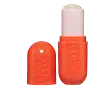
This barrier-repair lip moisturizer is formulated around Bis-Diglyceryl Polyacyladipate-2 and Simmondsia Chinensis Seed Oil to strengthen the lip barrier and hydrate lips.
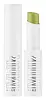
This barrier-repair lip moisturizer is formulated around Olea Europaea Fruit Oil and Simmondsia Chinensis Seed Oil to strengthen the lip barrier and hydrate lips.

What's inside
What's inside
 Key Ingredients
Benefits
Concerns
Ingredients Side-by-side
Olea Europaea Husk Oil
Skin Conditioning


Bis-Diglyceryl Polyacyladipate-2
Emollient
Caprylic/Capric Triglyceride
Masking

Polyglyceryl-2 Triisostearate
Emulsifying
Euphorbia Cerifera Wax
Helianthus Annuus Seed Wax
Skin Conditioning
Phytosteryl/Isostearyl/Cetyl/Stearyl/Behenyl Dimer Dilinoleate
Skin Conditioning
Simmondsia Chinensis Seed Oil
Emollient
Mango Butter Dimer Dilinoleyl Esters/Dimer Dilinoleate Copolymer
Emollient
Butyrospermum Parkii Butter
Skin Conditioning


Hydrogenated Castor Oil Dimer Dilinoleate
Skin Conditioning
Silica
Abrasive


Jojoba Esters
Emollient
Oryza Sativa Bran Wax
Skin Conditioning
Hydrogenated Rapeseed Oil
Emollient
Tocopheryl Acetate
Antioxidant


Tocopherol
Antioxidant


Moringa Oil/Hydrogenated Moringa Oil Esters
Skin Conditioning
Theobroma Cacao Seed Butter
Emollient
Acacia Decurrens Flower Wax
Emollient
Cichorium Intybus Root Extract
MaskingGlyceryl Caprylate
EmollientRebaudioside A
Skin ConditioningPolyglycerin-3
Humectant
Glycerin
Humectant
Water
Skin ConditioningAroma


Olea Europaea Husk Oil, Bis-Diglyceryl Polyacyladipate-2, Caprylic/Capric Triglyceride, Polyglyceryl-2 Triisostearate, Euphorbia Cerifera Wax, Helianthus Annuus Seed Wax, Phytosteryl/Isostearyl/Cetyl/Stearyl/Behenyl Dimer Dilinoleate, Simmondsia Chinensis Seed Oil, Mango Butter Dimer Dilinoleyl Esters/Dimer Dilinoleate Copolymer, Butyrospermum Parkii Butter, Hydrogenated Castor Oil Dimer Dilinoleate, Silica, Jojoba Esters, Oryza Sativa Bran Wax, Hydrogenated Rapeseed Oil, Tocopheryl Acetate, Tocopherol, Moringa Oil/Hydrogenated Moringa Oil Esters, Theobroma Cacao Seed Butter, Acacia Decurrens Flower Wax, Cichorium Intybus Root Extract, Glyceryl Caprylate, Rebaudioside A, Polyglycerin-3, Glycerin, Water, Aroma
Olea Europaea Fruit Oil
Masking
Bis-Diglyceryl Polyacyladipate-2
Emollient
Silica
Abrasive
Simmondsia Chinensis Seed Oil
Emollient
Butyrospermum Parkii Butter
Skin Conditioning
Hydrogenated Polyisobutene
EmollientHelianthus Annuus Seed Wax
Skin Conditioning
Phytosteryl/Octyldodecyl Lauroyl Glutamate
Skin ConditioningMango Butter Dimer Dilinoleyl Esters/Dimer Dilinoleate Copolymer
Emollient
Moringa Oil/Hydrogenated Moringa Oil Esters
Skin Conditioning
Polyglyceryl-10 Pentaisostearate
Emollient
Cocos Nucifera Oil
Masking
Hydrogenated Castor Oil Dimer Dilinoleate
Skin Conditioning
Caprylic/Capric Triglyceride
Masking
C10-18 Triglycerides
Emollient
Lauryl Laurate
Skin Conditioning
Polyhydroxystearic Acid
Emulsifying
Tribehenin
Emollient
Hydrogenated Vegetable Oil
Emollient
Jojoba Esters
Emollient
Parfum
Masking
Mentha Piperita Oil
Masking


Theobroma Cacao Seed Butter
Emollient
Cannabis Sativa Seed Oil
Emollient
Cannabis Sativa Seed Extract
EmollientRosmarinus Officinalis Leaf Extract
AntimicrobialStevia Rebaudiana Extract
Acacia Decurrens Flower Wax
Emollient
Polyglycerin-3
Humectant
Tocopheryl Acetate
Antioxidant
Helianthus Annuus Seed Oil
Emollient
Quercetin
Antioxidant
Tocopherol
Antioxidant
Citral
Perfuming
Geraniol
Perfuming
Limonene
Perfuming
Linalool
Perfuming
Mica
Cosmetic ColorantCI 77492
Cosmetic ColorantCI 19140
Cosmetic ColorantCI 42090
Cosmetic ColorantOlea Europaea Fruit Oil, Bis-Diglyceryl Polyacyladipate-2, Silica, Simmondsia Chinensis Seed Oil, Butyrospermum Parkii Butter, Hydrogenated Polyisobutene, Helianthus Annuus Seed Wax, Phytosteryl/Octyldodecyl Lauroyl Glutamate, Mango Butter Dimer Dilinoleyl Esters/Dimer Dilinoleate Copolymer, Moringa Oil/Hydrogenated Moringa Oil Esters, Polyglyceryl-10 Pentaisostearate, Cocos Nucifera Oil, Hydrogenated Castor Oil Dimer Dilinoleate, Caprylic/Capric Triglyceride, C10-18 Triglycerides, Lauryl Laurate, Polyhydroxystearic Acid, Tribehenin, Hydrogenated Vegetable Oil, Jojoba Esters, Parfum, Mentha Piperita Oil, Theobroma Cacao Seed Butter, Cannabis Sativa Seed Oil, Cannabis Sativa Seed Extract, Rosmarinus Officinalis Leaf Extract, Stevia Rebaudiana Extract, Acacia Decurrens Flower Wax, Polyglycerin-3, Tocopheryl Acetate, Helianthus Annuus Seed Oil, Quercetin, Tocopherol, Citral, Geraniol, Limonene, Linalool, Mica, CI 77492, CI 19140, CI 42090
Reviews
Ingredients Explained
These ingredients are found in both products.
Ingredients higher up in an ingredient list are typically present in a larger amount.
Also known as mimosa wax, this ingredient is a plant-derived wax from the flowers of the Acacia decurrens tree.
The wax has a profile that gives it skin benefits, including lipids that offer a skin conditioning effect. In a formula, it forms a breathable film on the skin's surface that reduces water loss, lock in moisture, and soften the skin.
One manufacturer study using a trade blend (jojoba esters + sunflower seed wax + this ingredient + polyglycerin 3) found it to perform equal to or better than lanolin in skin hydration.
On its own, typical usage concentrations run from 0.5-10% with 1-5% the most common in creams and up to 10% in lip balms.
Learn more about Acacia Decurrens Flower WaxBis-Diglyceryl Polyacyladipate-2 is a synthetic emollient that works as a lanolin substitute.
This ingredient is a great vegan option for those avoiding animal-derived ingredients.
It mostly stays on the surface of skin where it helps hydrate due to its large molecular size and low water solubility.
Due to it being derived from fatty acids, this ingredient may not be Malassezia or fungal acne safe.
Learn more about Bis-Diglyceryl Polyacyladipate-2This ingredient is also known as shea butter. It is a plant-derived extract from the nuts of the Africa shea tree and one of the most well-studied emollients.
Because it has a high concentration of fatty acids (primarily oleic, stearic, and linoleic) it is able to form a protective barrier on the skin's surface. This helps seal in moisture and prevents transepidermal water loss (TEWL).
In vitro research found an increase in skin hydration by 58% and a decrease in TEWL by 37.8% after 24 hours of applying this ingredient (pretty impressive for a single ingredient!).
Besides hydration, shea butter also contains triterpenes that have anti-inflammatory potential. In particule, lupeol cinnamate has shown the highest anti-inflammatory activity in vivo.
Shea butter also contains vitamins A and E which may contribute to antioxidant activity.
While Shea Butter has an SPF rating of about 3-4, it is not a sunscreen replacement.
This ingredient may not be fungal acne safe because its fatty acids fall within the C11-C24 range that the Malassezia yeast can metabolize.
This ingredient shows up on a lot of "pore-clogging" lists but there's no real evidence behind that. It doesn't even have a comedogenic rating from an actual study; the numbers you'll find online come from blogs citing other blogs.
Ratings for other ingredients mostly come from a 1980s rabbit ear test. This test doesn't translate well to human skin or to real products because the ingredient sits at a much lower percentage.
Some people still find it breaks them out. So if that's you, definitely trust your skin. Just know this one's based on experience and not evidence.
Learn more about Butyrospermum Parkii ButterCaprylic/Capric Triglyceride (aka MCT Oil) is a lightweight emollient, solvent, and texture enhancer. It is considered a skin-softener by helping to prevent moisture loss.
Though it behaves like an oil, it is not technically one due to its chemical composition. One perk of this ingredient is that it is very stable, resistant to oxidation, and unlikely to go rancid.
In practice, that translates to a long shelf life and a consistently elegant skin feel.
While there is an assumption Caprylic Triglyceride can clog pores due to it being derived from coconut oil, there is no research supporting this. Just patch test if you have concerns.
Fractionated coconut oil and MCT Oil are both listed as Caprylic/Capric Triglyceride according to INCI. This is because INCI names are based on the ingredient’s final chemical composition and not its marketing name or source.
This ingredient is treated as the gold standard fungal acne safe oil. Even though it is coconut derived, the problematic lauric acid is stripped out.
This leaves just caprylic (C8) and capric (C10) acid. These chain lengths actually trend antifungal; a 2020 study found caprylic acid was enough to disrupt Malassezia furfur cell membrane, with a caprylic acid derivative damaging membrane structures at concentrations as low as 0.2%.
Learn more about Caprylic/Capric TriglycerideHelianthus Annuus Seed Wax is created from the common sunflower.
Sunflower seed wax is made up of long chain non-glyceride esters, a small amount of fatty alcohols, and fatty acids.
This ingredient is often used to enhance the texture of products. The fatty acid properties also help hydrate the skin.
Learn more about Helianthus Annuus Seed WaxHydrogenated Castor Oil Dimer Dilinoleate is an oil and isn't fungal acne safe.
Jojoba Esters is a wax created from Jojoba oil. It is an emollient and film-forming ingredient. In bead form, it is an exfoliator.
This ingredient has high oxidative stability, meaning it doesn't break down when exposed to oxygen.
Its similarity to our skin's natural oils makes it a great emollient. Emollients help soften and soothe our skin by creating a barrier on top. This barrier helps trap moisture in, keeping skin hydrated.
It is created using either the hydrogenation or transesterification processes on jojoba oil.
Learn more about Jojoba EstersMango Butter Dimer Dilinoleyl Esters/Dimer Dilinoleate Copolymer isn't fungal acne safe.
Moringa Oil/Hydrogenated Moringa Oil Esters is an oil and isn't fungal acne safe.
Polyglycerin-3 is a 3-unit glycerin polymer.
Like glycerin, this ingredient is a humectant. Humectants help hydrate your skin by drawing water to it.
Having moisturized skin helps improve the skin barrier. Your skin barrier helps protect against irritants and bacteria.
Learn more about Polyglycerin-3Silica, also known as silicon dioxide, is a naturally occurring mineral. It is used as a fine, spherical, and porous powder in cosmetics.
Though it has exfoliant properties, the function of silica varies depending on the product.
The unique structure of silica enhances the spreadability and adds smoothness, making it a great texture enhancer.
It is also used as an active carrier, emulsifier, and mattifier due to its ability to absorb excess oil.
In some products, tiny microneedles called spicules are made from silica or hydrolyzed sponge. When you rub them in, they lightly polish away dead skin layers and enhance the penetration of active ingredients.
Learn more about SilicaJojoba oil is one of the most well-studied plant-derived ingredients in cosmetics. It is an emollient with a special structure.
Because it is made up of 97-98% wax esters, it closely mirrors the linear monoesters found in human sebum. This makes it skin compatible, non-greasy, and lightweight.
Unlike other plant oils, jojoba wax doesn't easily penetrate skin. It mostly works in the uppermost layers as an emollient. This just means it forms a light barrier on the skin to help retain moisture.
Formulations with jojoba esters up to 90% reduced transepidermal water loss (TEWL) and increased barrier recovery by 81% (outperforming bisabolol at 47%).
Besides barrier support, the science also suggests jojoba to have anti-inflammatory effects and potential applications for skin infections, aging, and wound healing.
Fun fact: Indigenous cultures have used jojoba as a moisturizer and to help treat burns for centuries.
Fungal acne: The Malassezia yeast is known to metabolize fatty acids in the C11-24 range and jojoba's dominant fatty acid components fall into this range. This ingredient may not be fungal acne safe.
Learn more about Simmondsia Chinensis Seed OilThis ingredient is also known as Cocoa butter; it's the fat pressed out of roasted cocoa beans.
Cocoa butter is solid at room temperature and melts right around body temperature, which is why it feels waxy in the jar and slippery on skin.
It has a very saturated profile (stearic acid ~34 to 36%, oleic acid ~30 to 40%, and palmitic acid ~24 to 29%) that makes it a strong occlusive: it sits on top and slows water escaping from skin.
Concentration data shows that it can show up anywhere from a few percent in lotions up to 100% in balms, and the FDA lists cocoa butter as an OTC skin protectant active at 50-100%.
The CIR has reviewed it and concluded it to be safe as used in cosmetics.
This is one of the ingredients with a comedogenic score of 4/5 from the rabbit ear test. Just know that a later human study did find that finished products containing high-comedogenic ingredients like cocoa butter did not increase microcomedone formation.
The fair call here is that this ingredient is most likely fine on body or low-percentage formulas, but can potentially be riskier as a heavy leave-on facial product if you break out easily.
Cocoa butter may not be fungal acne safe; it is a triglyceride of C16-18 fatty acids that the Malassezia yeast can metabolize.
Allergies to cocoa butter are rare and uncommon, but a few cases have been documented (mostly in cases where the person ate chocolate). So if you have a tree nut allergy, be sure to patch test or avoid.
Learn more about Theobroma Cacao Seed ButterTocopherol is a fat-soluble antioxidant known as Vitamin E.
You'll find this ingredient in the vast majority of skincare (for good reason). It works to neutralize free radicals, or unstable molecules generated by UV exposure, pollution, and other environmental stressors, before they can cause oxidative damage to your skin cells.
Topically applied tocopherol has been shown to protect against UV damage by ramping up the skin's own natural defense enzymes.
It also acts as a skin conditioning agent; some studies show that regular topical use can improve the skin's water-binding capacity over 2-4 weeks.
This ingredient is especially loved for being a team player. When combined with Vitamin C, the photoprotective effect of both ingredients roughly doubles and the combo also helps reduce UV-induced DNA damage.
This ingredient has some brightening potential but it's more of a prevention ingredient than spot-fader. Cell studies show it can slow down melanin production but it's worth noting that it's not the most powerful brightener out there.
In formulations, it also serves as a stabilizer that helps protect other oxidation-prone ingredients from degrading.
Concentrations usually range from 0.1-1% in most leave-on products.
Learn more about TocopherolTocopheryl Acetate is a stable, shelf-friendly form of vitamin E.
Formulators love it because plain vitamin E oxidizes quickly once it hits air. This acetate version stays stable and resists going off, helping to extend a product's shelf life.
It's actually inactive on its own and works like a slow-release "storage" form; the enzymes in your skin called esterases gradually convert it into active vitamin E over time.
One in vivo study showed 5% of the acetate in the living layer of the epidermis converted to vitamin E after 5 days of application. This study also found the skin gained protection against UV damage even though the conversion was slow and small.
Once converted, vitamin E acts as a skin's main fat-soluble antioxidant that fights free radicals to protect skin from damage.
Topical vitamin E generally boosts the skin's photoprotection, and it reduced UV-damage in animal models.
This ingredient has some brightening potential but it's more of a prevention ingredient than spot-fader. Cell studies show it can slow down melanin production but it's worth noting that it's not the most powerful brightener out there.
Overall, it has a pretty solid safety profile and has been found to be non-irritating and non-comedogenic. Allergic reactions may happen but stay rare due to how widely the ingredient gets used.
The concentration will vary depending on the formula; industry data shows 0.1% in baby lotions, 3% in lipsticks, and 5% in foot powders. You can also find this ingredient at 100% in a pure vitamin E oil.
Most leave-on skincare keeps it at the lower end, often between 0.5-1%.
Learn more about Tocopheryl Acetate

