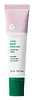
This lip moisturizer is formulated around Petrolatum and Ricinus Communis Seed Oil to hydrate lips.
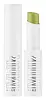
This barrier-repair lip moisturizer is formulated around Olea Europaea Fruit Oil and Simmondsia Chinensis Seed Oil to strengthen the lip barrier and hydrate lips.

What's inside
What's inside
 Key Ingredients
Benefits
Concerns
Ingredients Side-by-side
Petrolatum
Emollient



Ricinus Communis Seed Oil
Masking


Cera Alba
Emollient

Lanolin
Emollient
Aroma

Theobroma Grandiflorum Seed Butter
Skin Conditioning
Oryza Sativa Bran Extract
Skin Conditioning
Helianthus Annuus Extract
Emollient
Rosmarinus Officinalis Leaf Extract
AntimicrobialTocopheryl Acetate
Antioxidant


Tocopherol
Antioxidant



BHT
Antioxidant
Citronellol
Perfuming
Cinnamal
Perfuming
Linalool
Perfuming
Geraniol
Perfuming
Eugenol
Perfuming
CI 77492
Cosmetic ColorantCI 15850
Cosmetic ColorantPetrolatum, Ricinus Communis Seed Oil, Cera Alba, Lanolin, Aroma, Theobroma Grandiflorum Seed Butter, Oryza Sativa Bran Extract, Helianthus Annuus Extract, Rosmarinus Officinalis Leaf Extract, Tocopheryl Acetate, Tocopherol, BHT, Citronellol, Cinnamal, Linalool, Geraniol, Eugenol, CI 77492, CI 15850
Olea Europaea Fruit Oil
Masking
Bis-Diglyceryl Polyacyladipate-2
Emollient
Silica
Abrasive


Simmondsia Chinensis Seed Oil
Emollient
Butyrospermum Parkii Butter
Skin Conditioning
Hydrogenated Polyisobutene
EmollientHelianthus Annuus Seed Wax
Skin Conditioning
Phytosteryl/Octyldodecyl Lauroyl Glutamate
Skin ConditioningMango Butter Dimer Dilinoleyl Esters/Dimer Dilinoleate Copolymer
Emollient
Moringa Oil/Hydrogenated Moringa Oil Esters
Skin Conditioning
Polyglyceryl-10 Pentaisostearate
Emollient
Cocos Nucifera Oil
Masking
Hydrogenated Castor Oil Dimer Dilinoleate
Skin Conditioning
Caprylic/Capric Triglyceride
Masking
C10-18 Triglycerides
Emollient
Lauryl Laurate
Skin Conditioning
Polyhydroxystearic Acid
Emulsifying
Tribehenin
Emollient
Hydrogenated Vegetable Oil
Emollient
Jojoba Esters
Emollient
Parfum
Masking
Mentha Piperita Oil
Masking

Theobroma Cacao Seed Butter
Emollient
Cannabis Sativa Seed Oil
Emollient
Cannabis Sativa Seed Extract
EmollientRosmarinus Officinalis Leaf Extract
AntimicrobialStevia Rebaudiana Extract
Acacia Decurrens Flower Wax
Emollient
Polyglycerin-3
Humectant
Tocopheryl Acetate
Antioxidant
Helianthus Annuus Seed Oil
Emollient
Quercetin
Antioxidant
Tocopherol
Antioxidant
Citral
Perfuming
Geraniol
Perfuming
Limonene
Perfuming
Linalool
Perfuming
Mica
Cosmetic ColorantCI 77492
Cosmetic ColorantCI 19140
Cosmetic ColorantCI 42090
Cosmetic ColorantOlea Europaea Fruit Oil, Bis-Diglyceryl Polyacyladipate-2, Silica, Simmondsia Chinensis Seed Oil, Butyrospermum Parkii Butter, Hydrogenated Polyisobutene, Helianthus Annuus Seed Wax, Phytosteryl/Octyldodecyl Lauroyl Glutamate, Mango Butter Dimer Dilinoleyl Esters/Dimer Dilinoleate Copolymer, Moringa Oil/Hydrogenated Moringa Oil Esters, Polyglyceryl-10 Pentaisostearate, Cocos Nucifera Oil, Hydrogenated Castor Oil Dimer Dilinoleate, Caprylic/Capric Triglyceride, C10-18 Triglycerides, Lauryl Laurate, Polyhydroxystearic Acid, Tribehenin, Hydrogenated Vegetable Oil, Jojoba Esters, Parfum, Mentha Piperita Oil, Theobroma Cacao Seed Butter, Cannabis Sativa Seed Oil, Cannabis Sativa Seed Extract, Rosmarinus Officinalis Leaf Extract, Stevia Rebaudiana Extract, Acacia Decurrens Flower Wax, Polyglycerin-3, Tocopheryl Acetate, Helianthus Annuus Seed Oil, Quercetin, Tocopherol, Citral, Geraniol, Limonene, Linalool, Mica, CI 77492, CI 19140, CI 42090
Reviews
Ingredients Explained
These ingredients are found in both products.
Ingredients higher up in an ingredient list are typically present in a larger amount.
CI 77492 is also hydrated iron III oxide. It's sole purpose is to give a yellow hue to products.
Iron III oxides are classified as inorganic chemicals for coloring.
Synthetically created CI 77492 is considered safer than those naturally found. This is because the synthetically created version may contain less impurities. Iron oxides are generally non-toxic and non-allergenic.
Learn more about CI 77492Geraniol is used to add fragrance/parfum to a product. It is the main component of citronellol. It is a monoterpenoid and an alcohol.
Monoterpenes are naturally found in many parts of different plants.
Geraniol can be found in many essential oils including Rose Oil and Citronella Oil. The scent of Geraniol is often described as "rose-like". Many foods also contain Geraniol for fruit flavoring.
Geraniol can irritate the skin when exposed to air. However, irritation depends on the ability of geraniol to penetrate into the skin. In general, geraniol is not able to penetrate skin easily.
Geraniol is colorless and has low water-solubility. However, it is soluble in common organic solvents.
Like citronellol, it is a natural insect repellent.
2,6-Octadien-1-ol, 3,7-dimethyl-, (2E)-
Learn more about GeraniolLinalool is a small, naturally occurring scent molecule found in plants like lavender, coriander, bergamot, and more.
It is one of the two most-used fragrance ingredients in cosmetics and added purely for smell. Since it's not used for a skin benefit, there's no "effective dose". Concentration depends on the fragrance load of the product.
The EU requires it to be named on the label above 0.001% in leave-on and 0.01% in rinse-off products.
Fresh linalool is a weak sensitizer but air exposure turns some of it into hydroperoxides, which are strong sensitizers. Those oxidation products are the actual allergy concern.
Patch-test clinics see positive reactions to linalool hydroperoxides in about 4% to 12% of dermatitis patients depending on country and test concentration.
Resassuringly, one analytical study found hydroperoxide levels in real fragranced products to be orders of magnitude below what induced sensitization in animal studies with no evidence of oxidation building up during normal storage.
The practical takeaway is that linalool is fine for most people but worth avoiding if you have a confirmed fragrance contact allergy or a badly compromised barrier.
Products stored a long time after opening are also the high-risk scenario since that is when oxidation happens.
The scent of linalool is described as floral, spicy tropical, and citrus-like.
Learn more about LinaloolThis is a botanical extract from the rosemary plant (the same one you cook with). In skincare, it mostly works as a skin conditioning agent.
Its activity comes from a handful of polyphenols, carnosic acid, carnosol, and rosmarinic acid. Almost 90% of the antioxidant activity of this ingredient can be attributed to canosol and carnosic acid.
These compounds protect your skin two ways:
1) They fight off free radicals, or the unstable molecules from things like sun and pollution that age and damage skin.
2) They help calm inflammation by switching off the chemical signals that tell skin to get red and irritated.
Lab studies also suggest that rosmarinic acid may help protect collagen and slow sugar-related damage to it.
The Cosmetic Ingredient Review has concluded rosemary-derived ingredients to be safe when formulated to be non-sensitizing.
Rosemary can occasionally cause allergic contact dermatitis (due to carnosol), so be sure to patch test if you have reactive or fragrance-sensitive skin.
Learn more about Rosmarinus Officinalis Leaf ExtractTocopherol is a fat-soluble antioxidant known as Vitamin E.
You'll find this ingredient in the vast majority of skincare (for good reason). It works to neutralize free radicals, or unstable molecules generated by UV exposure, pollution, and other environmental stressors, before they can cause oxidative damage to your skin cells.
Topically applied tocopherol has been shown to protect against UV damage by ramping up the skin's own natural defense enzymes.
It also acts as a skin conditioning agent; some studies show that regular topical use can improve the skin's water-binding capacity over 2-4 weeks.
This ingredient is especially loved for being a team player. When combined with Vitamin C, the photoprotective effect of both ingredients roughly doubles and the combo also helps reduce UV-induced DNA damage.
This ingredient has some brightening potential but it's more of a prevention ingredient than spot-fader. Cell studies show it can slow down melanin production but it's worth noting that it's not the most powerful brightener out there.
In formulations, it also serves as a stabilizer that helps protect other oxidation-prone ingredients from degrading.
Concentrations usually range from 0.1-1% in most leave-on products.
Learn more about TocopherolTocopheryl Acetate is a stable, shelf-friendly form of vitamin E.
Formulators love it because plain vitamin E oxidizes quickly once it hits air. This acetate version stays stable and resists going off, helping to extend a product's shelf life.
It's actually inactive on its own and works like a slow-release "storage" form; the enzymes in your skin called esterases gradually convert it into active vitamin E over time.
One in vivo study showed 5% of the acetate in the living layer of the epidermis converted to vitamin E after 5 days of application. This study also found the skin gained protection against UV damage even though the conversion was slow and small.
Once converted, vitamin E acts as a skin's main fat-soluble antioxidant that fights free radicals to protect skin from damage.
Topical vitamin E generally boosts the skin's photoprotection, and it reduced UV-damage in animal models.
This ingredient has some brightening potential but it's more of a prevention ingredient than spot-fader. Cell studies show it can slow down melanin production but it's worth noting that it's not the most powerful brightener out there.
Overall, it has a pretty solid safety profile and has been found to be non-irritating and non-comedogenic. Allergic reactions may happen but stay rare due to how widely the ingredient gets used.
The concentration will vary depending on the formula; industry data shows 0.1% in baby lotions, 3% in lipsticks, and 5% in foot powders. You can also find this ingredient at 100% in a pure vitamin E oil.
Most leave-on skincare keeps it at the lower end, often between 0.5-1%.
Learn more about Tocopheryl Acetate

