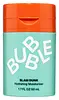
This barrier-repair moisturizer is formulated around Aloe Barbadensis Leaf Juice Powder and Persea Gratissima Oil to strengthen the skin barrier and hydrate skin.
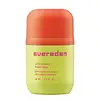
This oil-control moisturizer is formulated around Silica and Saccharide Isomerate to balance excess oil and hydrate skin.

What's inside
What's inside
 Key Ingredients
Benefits
Concerns
Ingredients Side-by-side
Water
Skin ConditioningIsononyl Isononanoate
EmollientGlycerin
Humectant


Heptyl Undecylenate
EmollientGlyceryl Stearate Citrate
Emollient

Caprylic/Capric Triglyceride
Masking
Polyglyceryl-3 Stearate
Emulsifying
Cetyl Alcohol
Emollient
Aloe Barbadensis Leaf Juice Powder
Skin Conditioning

Acrylates/C10-30 Alkyl Acrylate Crosspolymer
Emulsion StabilisingPersea Gratissima Oil
Skin Conditioning


Butyrospermum Parkii Butter
Skin Conditioning
Glucose
Humectant
Hydrolyzed Pea Protein
EmollientSodium Chloride
MaskingSodium Succinate
BufferingOenothera Biennis Oil
Emollient
Hoya Lacunosa Flower Extract
Skin ConditioningAnthemis Nobilis Flower Extract
Masking
Hydrogenated Lecithin
Emulsifying
Arginine
Masking
Tocopheryl Acetate
Antioxidant


Tocopherol
Antioxidant

Sodium Phytate
ChelatingPhenoxyethanol
Preservative
Water, Isononyl Isononanoate, Glycerin, Heptyl Undecylenate, Glyceryl Stearate Citrate, Caprylic/Capric Triglyceride, Polyglyceryl-3 Stearate, Cetyl Alcohol, Aloe Barbadensis Leaf Juice Powder, Acrylates/C10-30 Alkyl Acrylate Crosspolymer, Persea Gratissima Oil, Butyrospermum Parkii Butter, Glucose, Hydrolyzed Pea Protein, Sodium Chloride, Sodium Succinate, Oenothera Biennis Oil, Hoya Lacunosa Flower Extract, Anthemis Nobilis Flower Extract, Hydrogenated Lecithin, Arginine, Tocopheryl Acetate, Tocopherol, Sodium Phytate, Phenoxyethanol
Water
Skin ConditioningGlycerin
Humectant
Propanediol
Solvent
Silica
Abrasive


Coco-Caprylate/Caprate
Emollient
Saccharide Isomerate
Humectant
Zea Mays Starch
Absorbent
1,2-Hexanediol
Skin Conditioning
Ethyl Linoleate
Emollient
2,3-Butanediol
HumectantCetearyl Olivate
Squalane
Emollient
Hydroxyacetophenone
Antioxidant
Acrylates/C10-30 Alkyl Acrylate Crosspolymer
Emulsion StabilisingSorbitan Olivate
Emulsifying
Microcrystalline Cellulose
AbsorbentArginine
Masking
Glyceryl Stearate Se
Emulsifying
Lauroyl Lysine
Skin Conditioning
Camellia Sinensis Leaf Extract
Antimicrobial
Xanthan Gum
EmulsifyingAnthemis Nobilis Flower Extract
Masking
Bioflavonoids
Skin ConditioningOleanolic Acid
Skin ConditioningEpigallocatechin Gallatyl Glucoside
Antioxidant
Serenoa Serrulata Fruit Extract
Skin Conditioning
Citrus Reticulata Peel Extract
Skin ConditioningStearyl Glycyrrhetinate
Skin ConditioningCucumis Sativus Fruit Extract
Emollient
Magnolol
Antioxidant
Honokiol
Antioxidant
Cellulose Gum
Emulsion StabilisingPolyglyceryl-6 Oleate
Emulsifying
Polyglyceryl-10 Laurate
Skin Conditioning
Sorbitan Oleate
Emulsifying
Sodium Phytate
ChelatingCitric Acid
Buffering
Sodium Citrate
BufferingWater, Glycerin, Propanediol, Silica, Coco-Caprylate/Caprate, Saccharide Isomerate, Zea Mays Starch, 1,2-Hexanediol, Ethyl Linoleate, 2,3-Butanediol, Cetearyl Olivate, Squalane, Hydroxyacetophenone, Acrylates/C10-30 Alkyl Acrylate Crosspolymer, Sorbitan Olivate, Microcrystalline Cellulose, Arginine, Glyceryl Stearate Se, Lauroyl Lysine, Camellia Sinensis Leaf Extract, Xanthan Gum, Anthemis Nobilis Flower Extract, Bioflavonoids, Oleanolic Acid, Epigallocatechin Gallatyl Glucoside, Serenoa Serrulata Fruit Extract, Citrus Reticulata Peel Extract, Stearyl Glycyrrhetinate, Cucumis Sativus Fruit Extract, Magnolol, Honokiol, Cellulose Gum, Polyglyceryl-6 Oleate, Polyglyceryl-10 Laurate, Sorbitan Oleate, Sodium Phytate, Citric Acid, Sodium Citrate
Reviews
Ingredients Explained
These ingredients are found in both products.
Ingredients higher up in an ingredient list are typically present in a larger amount.
Acrylates/C10-30 Alkyl Acrylate Crosspolymer is a synthetic polymer. It is used to thicken, emulsify, and improve the texture of products.
As an emulsifier, it helps stabilize oil-in-water emulsions to give products an elegant feel when applied.
It can also form a thin protective film on skin. One study found that a formula using this polymer helped slow down how quickly other ingredients (like DEET) were absorbed through skin.
A 2024 study of over 1,300 patients confirmed that sensitization to this ingredient is rare. It is also non-mutagenic and has a clean track record.
Learn more about Acrylates/C10-30 Alkyl Acrylate CrosspolymerAnthemis Nobilis Flower Extract is from the Roman Chamomile flower. It helps soothe the skin and contains antioxidants.
Arginine is a semi-essential amino acid. This just means our bodies can product a bit on its own, but sometimes needs a little boost from food sources.
It is a part of your skin's natural moisturizing factor (NMF), or the water-loving molecules in your outermost layer of skin (stratum corneum) that keeps everything hydrated and happy.
Here's an interesting thing about Arginine: your skin converts it into urea through the Krebs-Henseleit urea cycle. Urea is one of the most effective humectants your skin naturally produces.
A clinical study showed applying 2.5% arginine hydrochloride to atopic dermatitis skin showed significant urea levels in the stratum corneum and improved moisture in just four weeks.
Arginine is also a precursor to nitric oxide; nitric oxide improves microcirculation and supports wound healing and collagen synthesis.
One study found that an amino acid complex containing Arginine reduced skin irritation, improved hydration, and accelerated skin repair in clinical / in-vivo studies.
Arginine itself is an amino acid and not a fatty acid, oil, or ester. On its own, it's not a direct food source for Malassezia, or the yeast that causes fungal acne.
Learn more about ArginineGlycerin (or glycerol) is a compound naturally found in your skin. It's a powerhouse humectant that pulls water into the stratum corneum.
Topically, glycerin does several things at once:
Your skin makes glycerin on its own (mostly from sebaceous oil breakdown) and shuttles it to your outermost layer of skin, or your epidermis, via aquaporin-3.
Aquaporin-3 is a transporter that is essential for normal skin hydration, elasticity, and repair. Interestingly, mice lacking in AQP3 have dry and less elastic skin that can be fully corrected with glycerin.
This ingredient is non-irritating, plays well with almost every ingredient, and works across all skin types. Typical use is anywhere between 3-10% but can go up to 79% in some leave-on products.
Just know very high concentrations (>40%) can feel tacky in low humidity.
Glycerin is the name for this ingredient in American English. British English uses Glycerol/Glycerine.
Learn more about GlycerinSodium Phytate is the sodium salt of Phytic acid, a compound that plants store phosphorus in. It's the plant-derived alternative to ingredients like Disodium EDTA.
In skincare, this ingredient is a chelator that grabs onto trace metal ions like iron and copper that sneak into formulas through water/raw materials.
Those metals speed up oxidation so binding them keeps oils, fragrance, and actives from going off, stops color changes, and helps the preservative system work harder.
Survey data shows usage levels range from 0.0099%-0.5% in leave-on products, 0.025%-0.3% in rinse-off, and up to 0.05% in eye-area products. Suppliers typically recommend a range between 0.05-0.5%.
Learn more about Sodium PhytateWater. It's the most common cosmetic ingredient of all. You'll usually see it at the top of ingredient lists, meaning that it makes up the largest part of the product.
So why is it so popular? Water most often acts as a solvent - this means that it helps dissolve other ingredients into the formulation.
You'll also recognize water as that liquid we all need to stay alive. If you see this, drink a glass of water. Remember to stay hydrated!
Learn more about Water

