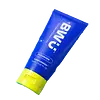
Boring Without You Forgiveness Gentle & Soft Osmolyte Gel Cleanser Versus Boost Lab Everyday Hydrating Cleanser
This mild gel cleanser is made to cleanse while respecting your skin barrier.

What's inside
What's inside
 Key Ingredients
No key ingredients
Benefits
Concerns
Ingredients Side-by-side
Water
Skin ConditioningGlycerin
Humectant


Propanediol
Solvent
Cocamidopropyl Betaine
Cleansing



Betaine
Humectant
Sodium Lauroyl Sarcosinate
CleansingDecyl Glucoside
Cleansing
Acrylates/C10-30 Alkyl Acrylate Crosspolymer
Emulsion StabilisingPanthenol
Skin Conditioning
Saccharide Isomerate
Humectant
Phenoxyethanol
Preservative
Chlorphenesin
Antimicrobial
Polyquaternium-10
Sodium Phytate
ChelatingCaprylyl Glycol
Emollient
Sodium Laurate
CleansingSodium Benzoate
Masking
Sodium Chloride
MaskingSodium Hydroxide
BufferingWater, Glycerin, Propanediol, Cocamidopropyl Betaine, Betaine, Sodium Lauroyl Sarcosinate, Decyl Glucoside, Acrylates/C10-30 Alkyl Acrylate Crosspolymer, Panthenol, Saccharide Isomerate, Phenoxyethanol, Chlorphenesin, Polyquaternium-10, Sodium Phytate, Caprylyl Glycol, Sodium Laurate, Sodium Benzoate, Sodium Chloride, Sodium Hydroxide
Water
Skin ConditioningSodium C14-16 Olefin Sulfonate
Cleansing
Glycerin
Humectant
Sodium Cocoamphoacetate
CleansingBetaine
Humectant
Pentylene Glycol
Skin Conditioning
Panthenol
Skin Conditioning
Saccharide Isomerate
Humectant
Sodium PCA
Humectant
Vaccinium Myrtillus Fruit Extract
Skin ConditioningSaccharum Officinarum Extract
MoisturisingCitrus Limon Fruit Extract
Masking
Citrus Aurantium Dulcis Fruit Extract
MaskingAcer Saccharum Extract
Skin ConditioningCamellia Sinensis Leaf Extract
Antimicrobial




Salix Alba Extract
Skin ConditioningLactobacillus/Punica Granatum Fruit Ferment Extract
Antioxidant
Leuconostoc/Radish Root Ferment Lysate Filtrate
Skin Conditioning
Benzyl Alcohol
Perfuming



Dehydroacetic Acid
Preservative
Citric Acid
Buffering
Chloroacetic Acid
Sodium Glycolate
BufferingSodium Chloride
MaskingGuar Hydroxypropyltrimonium Chloride
Skin ConditioningTrisodium Ethylenediamine Disuccinate
ChelatingSodium Hydroxide
BufferingMenthyl Lactate
Masking
Sodium Citrate
BufferingParfum
Masking
Water, Sodium C14-16 Olefin Sulfonate, Glycerin, Sodium Cocoamphoacetate, Betaine, Pentylene Glycol, Panthenol, Saccharide Isomerate, Sodium PCA, Vaccinium Myrtillus Fruit Extract, Saccharum Officinarum Extract, Citrus Limon Fruit Extract, Citrus Aurantium Dulcis Fruit Extract, Acer Saccharum Extract, Camellia Sinensis Leaf Extract, Salix Alba Extract, Lactobacillus/Punica Granatum Fruit Ferment Extract, Leuconostoc/Radish Root Ferment Lysate Filtrate, Benzyl Alcohol, Dehydroacetic Acid, Citric Acid, Chloroacetic Acid, Sodium Glycolate, Sodium Chloride, Guar Hydroxypropyltrimonium Chloride, Trisodium Ethylenediamine Disuccinate, Sodium Hydroxide, Menthyl Lactate, Sodium Citrate, Parfum
Reviews
Ingredients Explained
These ingredients are found in both products.
Ingredients higher up in an ingredient list are typically present in a larger amount.
Betaine is a humectant. Like hyaluronic acid, it helps attract and retain moisture in the skin. It’s known for being gentle and for helping the skin maintain balanced hydration.
Betaine is mainly used to improve hydration and support calmer skin. It helps skin cells regulate water balance because it functions as an osmolyte.
Some studies suggest betaine may support making skin tone more even.
Fun fact: Betaine naturally exists in the skin and the body. In cosmetic products, it can be either plant-derived (most commonly from sugar beets) or synthetically produced for consistency and stability.
Betaine is also known as trimethylglycine.
Learn more about BetaineGlycerin (or glycerol) is a compound naturally found in your skin. It's a powerhouse humectant that pulls water into the stratum corneum.
Topically, glycerin does several things at once:
Your skin makes glycerin on its own (mostly from sebaceous oil breakdown) and shuttles it to your outermost layer of skin, or your epidermis, via aquaporin-3.
Aquaporin-3 is a transporter that is essential for normal skin hydration, elasticity, and repair. Interestingly, mice lacking in AQP3 have dry and less elastic skin that can be fully corrected with glycerin.
This ingredient is non-irritating, plays well with almost every ingredient, and works across all skin types. Typical use is anywhere between 3-10% but can go up to 79% in some leave-on products.
Just know very high concentrations (>40%) can feel tacky in low humidity.
Glycerin is the name for this ingredient in American English. British English uses Glycerol/Glycerine.
Learn more about GlycerinPanthenol is a common ingredient that helps hydrate and soothe the skin. It is found naturally in our skin and hair.
There are two forms of panthenol: D and L.
D-panthenol is also known as dexpanthenol. Most cosmetics use dexpanthenol or a mixture of D and L-panthenol.
Panthenol is famous due to its ability to go deeper into the skin's layers. Using this ingredient has numerous pros (and no cons):
Like hyaluronic acid, panthenol is a humectant. Humectants are able to bind and hold large amounts of water to keep skin hydrated.
This ingredient works well for wound healing. It works by increasing tissue in the wound and helps close open wounds.
Once oxidized, panthenol converts to pantothenic acid. Panthothenic acid is found in all living cells.
This ingredient is also referred to as pro-vitamin B5.
Learn more about PanthenolSaccharide Isomerate comes from sugars found in corn. It is a skin hydrator.
The structure of this ingredient can be altered to be more similar to the carbohydrates found in our skin. This ability to mimic our skin gives it hydrating properties.
Specifically, saccharide Isomerate is a humectant. Humectants draw moisture from the air to our skin.
Research shows Saccharide Isomerate to be an effective moisturizer.
Learn more about Saccharide IsomerateChances are, you eat sodium chloride every day. Sodium Chloride is also known as table salt. This ingredient has many purposes in skincare: thickener, emulsifier, and exfoliator.
You'll most likely find this ingredient in cleansers where it is used to create a gel-like texture. As an emulsifier, it also prevents ingredients from separating.
You might see people debate whether Sodium Chloride is comedogenic, but there actually haven't been any comedogenic tests done on it. Either way, the overall formulation of a product matters a lot more than any single ingredient.
You might see this ingredient used in scrubs as a primary exfoliating ingredient.
Learn more about Sodium ChlorideSodium Hydroxide is also known as lye or caustic soda. It is used to adjust the pH of products; many ingredients require a specific pH to be effective.
In small amounts, sodium hydroxide is considered safe to use. However, large amounts may cause chemical burns due to its high alkaline.
Your skin has a natural pH and acid mantle. This acid mantle helps prevent harmful bacteria from breaking through. The acid mantle also helps keep your skin hydrated.
"Alkaline" refers to a high pH level. A low pH level would be considered acidic.
Learn more about Sodium HydroxideWater. It's the most common cosmetic ingredient of all. You'll usually see it at the top of ingredient lists, meaning that it makes up the largest part of the product.
So why is it so popular? Water most often acts as a solvent - this means that it helps dissolve other ingredients into the formulation.
You'll also recognize water as that liquid we all need to stay alive. If you see this, drink a glass of water. Remember to stay hydrated!
Learn more about Water

