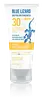
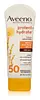
Blue Lizard Face Mineral-Based Sunscreen SPF 30+ Versus Aveeno Protect Hydrate Face Sunscreen Lotion With - SPF 50
This hybrid sunscreen covers the full UV range and blocks ~97% of UVB at SPF 30.
This chemical sunscreen covers most of the UV range, lighter on the deep UVA that drives aging.

What's inside
What's inside
 Key Ingredients
Benefits
Concerns
Ingredients Side-by-side
Ethylhexyl Methoxycinnamate
UV Absorber


Zinc Oxide
Cosmetic Colorant
Beeswax
Emulsion Stabilising




BHT
Antioxidant
C12-15 Alkyl Benzoate
AntimicrobialC13-14 Isoparaffin
Emollient
Caffeine
Skin Conditioning

Camellia Sinensis Leaf Extract
Antimicrobial



Caprylyl Glycol
Emollient
Chlorphenesin
Antimicrobial
Cyclomethicone
Emollient
Dimethoxydiphenylsilane/Triethoxycaprylylsilane Crosspolymer
Isostearyl Alcohol
Emollient
Laureth-7
EmulsifyingLauryl PEG/PPG-18/18 Methicone
Skin Conditioning
Phenoxyethanol
Preservative
Polyacrylamide
Water
Skin ConditioningSodium Hyaluronate
Humectant

Tocopheryl Acetate
Antioxidant
Triethoxycaprylylsilane
Ethylhexyl Methoxycinnamate, Zinc Oxide, Beeswax, BHT, C12-15 Alkyl Benzoate, C13-14 Isoparaffin, Caffeine, Camellia Sinensis Leaf Extract, Caprylyl Glycol, Chlorphenesin, Cyclomethicone, Dimethoxydiphenylsilane/Triethoxycaprylylsilane Crosspolymer, Isostearyl Alcohol, Laureth-7, Lauryl PEG/PPG-18/18 Methicone, Phenoxyethanol, Polyacrylamide, Water, Sodium Hyaluronate, Tocopheryl Acetate, Triethoxycaprylylsilane
Butyl Methoxydibenzoylmethane 3%
UV Absorber
Homosalate 10%
Skin Conditioning
Ethylhexyl Salicylate 5%
UV Absorber
Octocrylene 6%
UV Absorber
Benzophenone-3 5%
UV Absorber
Water
Skin ConditioningGlycerin
Humectant
Silica
Abrasive
Cetyl Dimethicone
Emollient
Dimethicone
Emollient
Beeswax
Emulsion Stabilising
Benzyl Alcohol
Perfuming



Ethylhexylglycerin
Skin ConditioningGlyceryl Stearate
Emollient
PEG-100 Stearate
Surfactant
Behenyl Alcohol
Emollient
Phenoxyethanol
Preservative
Caprylyl Methicone
Skin Conditioning
Caprylyl Glycol
Emollient
Acrylates/Dimethicone Copolymer
Skin Conditioning
Acrylates/C10-30 Alkyl Acrylate Crosspolymer
Emulsion StabilisingPropylene Glycol
Humectant
Chlorphenesin
Antimicrobial
Diethylhexyl 2,6-Naphthalate
EmollientDisodium EDTA
Sodium Hydroxide
BufferingParfum
Masking
Avena Sativa Kernel Flour
Abrasive
Avena Sativa Kernel Extract
Abrasive
Codium Tomentosum Extract
Skin ProtectingHydrolyzed Oat Protein
Skin ConditioningPotassium Palmitoyl Hydrolyzed Oat Protein
Skin ConditioningButyl Methoxydibenzoylmethane 3%, Homosalate 10%, Ethylhexyl Salicylate 5%, Octocrylene 6%, Benzophenone-3 5%, Water, Glycerin, Silica, Cetyl Dimethicone, Dimethicone, Beeswax, Benzyl Alcohol, Ethylhexylglycerin, Glyceryl Stearate, PEG-100 Stearate, Behenyl Alcohol, Phenoxyethanol, Caprylyl Methicone, Caprylyl Glycol, Acrylates/Dimethicone Copolymer, Acrylates/C10-30 Alkyl Acrylate Crosspolymer, Propylene Glycol, Chlorphenesin, Diethylhexyl 2,6-Naphthalate, Disodium EDTA, Sodium Hydroxide, Parfum, Avena Sativa Kernel Flour, Avena Sativa Kernel Extract, Codium Tomentosum Extract, Hydrolyzed Oat Protein, Potassium Palmitoyl Hydrolyzed Oat Protein
Reviews
Ingredients Explained
These ingredients are found in both products.
Ingredients higher up in an ingredient list are typically present in a larger amount.
Beeswax is natural wax produced by honey bees to build their honeycomb.
Because it forms a protective layer on your skin, it can help lock in moisture and reduce water loss. It is also widely used as a thickener and emulsifier in lip balms and lotions. Research suggests beeswax containing moisturizers can support skin barrier integrity.
In comedogenic testing, Beeswax scored a 0-2, which is on the low end. Whether or not a product clogs your pores really comes down to the formula as a whole (not any single ingredient on its own).
Cera Alba is the white, bleached form of this ingredient.
Just so you know, beeswax is not vegan since it is animal-derived. It cannot be removed with water, but can be taken off with an oil cleanser.
People with a known Propolis allergy also report to have reactions from beeswax.
Beeswax's wax esters are derived primarily from palmitic and oleic acid (C16 and C18:1). Both of these fall within the C11-C24 feeding window.
The Malassezia yeast can potentially cleave these esters and release usable fatty acids, so this ingredient may not be fungal acne safe. However, not everyone will react to this ingredient.
Learn more about BeeswaxCaprylyl Glycol is a humectant, skin conditioner, emollient, and preservative booster derived from either caprylic acid or synthetically created.
Typical use levels vary from 0.3-1% as a preservative booster and go up to 2% to condition skin.
Because it is not a free-fatty acid, this ingredient is fungal acne safe (there's nothing for Malassezia to feed on).
Learn more about Caprylyl GlycolChlorphenesin is a synthetic preservative. It helps protect a product against bacteria in order to extend shelf life. In most cases, Chlorphenesin is paired with other preservatives such as phenoxyethanol and caprylyl glycol.
Chlorphenesin is a biocide. This means it is able to help fight the microorganisms on our skin. It is also able to fight odor-releasing bacteria.
Chlorphenesin is soluble in both water and glycerin.
Studies show Chlorphenesin is easily absorbed by our skin. You should speak with a skincare professional if you have concerns about using Chlorphenesin.
Learn more about ChlorphenesinPhenoxyethanol is one of the most widely used preservatives in skincare (and for good reason!).
It has a large spectrum of antimicrobial activity and especially effective bacteria, yeast, and mold while only having a weak effect on your skin's natural microbiome.
On a cellular level, it disrupts the cell membranes of microbes by poking holes that make the cell leak. This shuts down the chemical reactions the microbe needs to make energy so it can no longer survive.
Another perk of this ingredient is that it stays functional across a wide pH range (3-10).
You'll often see it paired with boosters like Ethylhexylglycerin; one study showed that a 1:9 ratio of Ethylhexylglycerin to Phenoxyethanol damages bacterial membranes as effectively as doubling the Phenoxyethanol concentration on its own.
Typical use concentrations range from 0.3-1% depending on the formula, and this ingredient is capped at 1% int the EU.
Safety-wise, the fear mongering does not hold up to the evidence. The EU's Scientific Committee on Consumer Safety and FDA consider it safe as a preservative at up to 1%, including for children of all ages.
Adverse systemic effects only showed up in animal studies at exposures roughly 200x higher than what people get from cosmetics. And despite its very widespread use, this ingredient is a rare sensitizer and allergic reactions are uncommon.
Learn more about PhenoxyethanolWater. It's the most common cosmetic ingredient of all. You'll usually see it at the top of ingredient lists, meaning that it makes up the largest part of the product.
So why is it so popular? Water most often acts as a solvent - this means that it helps dissolve other ingredients into the formulation.
You'll also recognize water as that liquid we all need to stay alive. If you see this, drink a glass of water. Remember to stay hydrated!
Learn more about Water

