

What's inside
What's inside
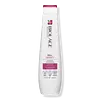 Key Ingredients
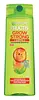
Benefits
Concerns
Ingredients Side-by-side
Water
Skin ConditioningSodium Laureth Sulfate
Cleansing



Sodium Lauryl Sulfate
Cleansing
Coco-Betaine
Cleansing
Hexylene Glycol
EmulsifyingSodium Chloride
MaskingParfum
Masking

Glycol Distearate
Emollient
Sodium Hydroxide
BufferingCitric Acid
Buffering

Alcohol Denat.
Antimicrobial
Polyquaternium-30
Hydroxypropyl Guar Hydroxypropyltrimonium Chloride
Carbomer
Emulsion StabilisingLimonene
Perfuming
Hexyl Cinnamal
Perfuming
Coumarin
Perfuming
Benzyl Alcohol
Perfuming
Magnesium Nitrate
Linalool
Perfuming
Salicylic Acid
Masking




Amyl Cinnamal
Perfuming
Zinc PCA
Humectant


Biotin
AntiseborrhoeicSafflower Glucoside
Geraniol
Perfuming
Isoeugenol
Perfuming
Alpha-Isomethyl Ionone
Perfuming
Methylchloroisothiazolinone
Preservative
Magnesium Chloride
Methylisothiazolinone
Preservative
Tocopherol
Antioxidant




Sodium Citrate
BufferingWater, Sodium Laureth Sulfate, Sodium Lauryl Sulfate, Coco-Betaine, Hexylene Glycol, Sodium Chloride, Parfum, Glycol Distearate, Sodium Hydroxide, Citric Acid, Alcohol Denat., Polyquaternium-30, Hydroxypropyl Guar Hydroxypropyltrimonium Chloride, Carbomer, Limonene, Hexyl Cinnamal, Coumarin, Benzyl Alcohol, Magnesium Nitrate, Linalool, Salicylic Acid, Amyl Cinnamal, Zinc PCA, Biotin, Safflower Glucoside, Geraniol, Isoeugenol, Alpha-Isomethyl Ionone, Methylchloroisothiazolinone, Magnesium Chloride, Methylisothiazolinone, Tocopherol, Sodium Citrate
Water
Skin ConditioningSodium Laureth Sulfate
Cleansing
Coco-Betaine
Cleansing
Sodium Chloride
MaskingPPG-5-Ceteth-20
EmulsifyingCitric Acid
Buffering
Sodium Benzoate
Masking
Parfum
Masking
Sodium Hydroxide
BufferingDicaprylyl Ether
Emollient
Limonene
Perfuming
PEG-55 Propylene Glycol Oleate
Surfactant
Salicylic Acid
Masking
Propylene Glycol
Humectant
Hydroxypropyl Guar Hydroxypropyltrimonium Chloride
Oleyl Alcohol
Emollient


PEG-60 Hydrogenated Castor Oil
Emulsifying
Polyquaternium-7
Ascorbyl Glucoside
Antioxidant

Citrus Sinensis Fruit Extract
Antioxidant
Citrus Aurantium Dulcis Fruit Extract
MaskingBiotin
AntiseborrhoeicPotassium Sorbate
Preservative
Tocopherol
Antioxidant
Water, Sodium Laureth Sulfate, Coco-Betaine, Sodium Chloride, PPG-5-Ceteth-20, Citric Acid, Sodium Benzoate, Parfum, Sodium Hydroxide, Dicaprylyl Ether, Limonene, PEG-55 Propylene Glycol Oleate, Salicylic Acid, Propylene Glycol, Hydroxypropyl Guar Hydroxypropyltrimonium Chloride, Oleyl Alcohol, PEG-60 Hydrogenated Castor Oil, Polyquaternium-7, Ascorbyl Glucoside, Citrus Sinensis Fruit Extract, Citrus Aurantium Dulcis Fruit Extract, Biotin, Potassium Sorbate, Tocopherol
Ingredients Explained
These ingredients are found in both products.
Ingredients higher up in an ingredient list are typically present in a larger amount.
Biotin is a B vitamin that is naturally produced by our bodies. It is also called Vitamin H.
Our bodies use biotin in the metabolism process. It also helps our bodies use enzymes and move nutrients around. A biotin deficiency can lead to brittle hair and nails.
More research is needed on applying biotin topically. However, taking biotin orally has been shown to help nourish the skin, hair, and nails. They play a role in forming skin-hydrating fatty acids.
Biotin is water-soluble. It can be found in foods such as fish, eggs, dairy, nuts, and meat. Vitamin H stands for "haar" and "haut". These are the German words for hair and skin.
Learn more about BiotinCitric Acid is an alpha hydroxy acid (AHA) naturally found in citrus fruits like oranges, lemons, and limes.
Like other AHAs, citric acid can exfoliate skin by breaking down the bonds that hold dead skin cells together. This helps reveal smoother and brighter skin underneath.
However, this exfoliating effect only happens at high concentrations (20%) which can be hard to find in cosmetic products.
Due to this, citric acid is usually included in small amounts as a pH adjuster. This helps keep products slightly more acidic and compatible with skin's natural pH.
In skincare formulas, citric acid can:
While it can provide some skin benefits, research shows lactic acid and glycolic acid are generally more effective and less irritating exfoliants.
Most citric acid used in skincare today is made by fermenting sugars (usually from molasses). This synthetic version is identical to the natural citrus form but easier to stabilize and use in formulations.
Rosacea skin has a lower threshold for acids generally, with 62.5% of rosacea subjects in one study reacting to lactic acid in a sting test. This is why we mark citric acid as a potential rosacea trigger.
However, this ingredient shows up as a pH adjuster or chelator at roughly 0.1-1% in many products. These low levels are unlikely to be an issue for rosacea skin and becomes a potential trigger at exfoliating concentrations (20%). Because everybody's skin is unique, we recommend a patch test if you are unsure.
Learn more about Citric AcidCoco-Betaine is the natural version of Cocamidopropyl Betaine. It is often derived from coconuts.
Coco-Betaine is a surfactant, meaning it helps remove dirt and oil from the skin.
We don't have a description for Hydroxypropyl Guar Hydroxypropyltrimonium Chloride yet.
Limonene is the compound that gives citrus peel its smell.
In skincare, it shows up as a standalone fragrance ingredient or as a natural compound of citrus and other essential oils.
You'll typically see this ingredient used in very small amounts; anything above 0.001% in a leave-on product or 0.01% in a rinse-off has to be named on the label in the EU. The citrus oils that carry it sit around 0.5-1% in a finished formula.
Fresh limonene is a weak allergen; the real issue is that it slowly reacts with air and then breaks down from oxidation to create hydroperoxides (which are strong sensitizers). This is why suppliers are required to keep the peroxide value below 20 mmol.
Positive reactions in people being investigated for eczema vary:
It's worth skipping if you have a known fragrance allergy or a compromised barrier, but the risk is low for most people.
Older or long-opened products are also more likely to bother you than fresh ones due to oxidation.
Learn more about LimoneneParfum is a catch-all term for an ingredient or more that is used to give a scent to products.
Also called "fragrance", this ingredient can be a blend of hundreds of chemicals or plant oils. This means every product with "fragrance" or "parfum" in the ingredients list is a different mixture.
For instance, Habanolide is a proprietary trade name for a specific aroma chemical. When used as a fragrance ingredient in cosmetics, most aroma chemicals fall under the broad labeling category of “FRAGRANCE” or “PARFUM” according to EU and US regulations.
The term 'parfum' or 'fragrance' is not regulated in many countries. In many cases, it is up to the brand to define this term.
For instance, many brands choose to label themselves as "fragrance-free" because they are not using synthetic fragrances. However, their products may still contain ingredients such as essential oils that are considered a fragrance by INCI standards.
One example is Calendula flower extract. Calendula is an essential oil that still imparts a scent or 'fragrance'.
Depending on the blend, the ingredients in the mixture can cause allergies and sensitivities on the skin. Some ingredients that are known EU allergens include linalool and citronellol.
Parfum can also be used to mask or cover an unpleasant scent.
The bottom line is: not all fragrances/parfum/ingredients are created equally. If you are worried about fragrances, we recommend taking a closer look at an ingredient. And of course, we always recommend speaking with a professional.
Learn more about ParfumSalicylic Acid (also known as beta hydroxy acid or BHA) is a well-known ingredient for treating skin that struggles with acne and clogged pores. It exfoliates both the skin's surface and deep within the pores to help clear out buildup, control oil, and reduce inflammation.
Unlike AHAs (alpha hydroxy acids), salicylic acid is oil-soluble. This allows it to penetrate into pores which makes it especially effective for treating blackheads and preventing future breakouts.
Salicylic acid is also known for its soothing properties. It has a similar structure to aspirin and can calm inflamed or irritated skin, making it a good option for acne-prone skin that is also sensitive.
Concentrations of 0.5-2% are recognized by the U.S. FDA as an over-the-counter topical acne product.
It can cause irritation and/or dryness if one's skin already has a compromised moisture barrier, so it's best to focus on repairing that before introducing this ingredient into your routine.
While salicylic acid does not increase sun sensitivity, it’s still important to wear sunscreen daily to protect your skin.
If you are looking for the ingredient called BHA or Butylated Hydroxyanisole, click here.
Learn more about Salicylic AcidChances are, you eat sodium chloride every day. Sodium Chloride is also known as table salt. This ingredient has many purposes in skincare: thickener, emulsifier, and exfoliator.
You'll most likely find this ingredient in cleansers where it is used to create a gel-like texture. As an emulsifier, it also prevents ingredients from separating.
You might see people debate whether Sodium Chloride is comedogenic, but there actually haven't been any comedogenic tests done on it. Either way, the overall formulation of a product matters a lot more than any single ingredient.
You might see this ingredient used in scrubs as a primary exfoliating ingredient.
Learn more about Sodium ChlorideSodium Hydroxide is also known as lye or caustic soda. It is used to adjust the pH of products; many ingredients require a specific pH to be effective.
In small amounts, sodium hydroxide is considered safe to use. However, large amounts may cause chemical burns due to its high alkaline.
Your skin has a natural pH and acid mantle. This acid mantle helps prevent harmful bacteria from breaking through. The acid mantle also helps keep your skin hydrated.
"Alkaline" refers to a high pH level. A low pH level would be considered acidic.
Learn more about Sodium HydroxideSodium Laureth Sulfate (SLES) is a foaming, cleansing, and emulsifying ingredient. It is created from palm kernel oil or coconut oil. SLES is not the same as sodium lauryl sulfate. It is much milder and less likely to irritate.
SLES helps create foam in personal products. It also prevents ingredients from separating, helping to elongate the shelf life.
Sodium Laureth Sulfate is a type of sulfate. It can be drying. We recommend speaking with a professional about using this ingredient if you have concerns.
Learn more about Sodium Laureth SulfateTocopherol is a fat-soluble antioxidant known as Vitamin E.
You'll find this ingredient in the vast majority of skincare (for good reason). It works to neutralize free radicals, or unstable molecules generated by UV exposure, pollution, and other environmental stressors, before they can cause oxidative damage to your skin cells.
Topically applied tocopherol has been shown to protect against UV damage by ramping up the skin's own natural defense enzymes.
It also acts as a skin conditioning agent; some studies show that regular topical use can improve the skin's water-binding capacity over 2-4 weeks.
This ingredient is especially loved for being a team player. When combined with Vitamin C, the photoprotective effect of both ingredients roughly doubles and the combo also helps reduce UV-induced DNA damage.
This ingredient has some brightening potential but it's more of a prevention ingredient than spot-fader. Cell studies show it can slow down melanin production but it's worth noting that it's not the most powerful brightener out there.
In formulations, it also serves as a stabilizer that helps protect other oxidation-prone ingredients from degrading.
Concentrations usually range from 0.1-1% in most leave-on products.
Learn more about TocopherolWater. It's the most common cosmetic ingredient of all. You'll usually see it at the top of ingredient lists, meaning that it makes up the largest part of the product.
So why is it so popular? Water most often acts as a solvent - this means that it helps dissolve other ingredients into the formulation.
You'll also recognize water as that liquid we all need to stay alive. If you see this, drink a glass of water. Remember to stay hydrated!
Learn more about Water

