This barrier-repair moisturizer is formulated around Butyrospermum Parkii Oil and Panthenol to strengthen the skin barrier and calm redness.
This barrier-repair moisturizer is formulated around Caprylic/Capric Triglyceride and Sodium Hyaluronate to strengthen the skin barrier and calm redness.

What's inside
What's inside
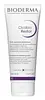 Key Ingredients
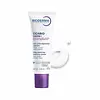
Benefits
Concerns
Ingredients Side-by-side
Water
Skin ConditioningButyrospermum Parkii Oil
Emollient



Glycerin
Humectant

Panthenol
Skin Conditioning

Butylene Glycol
Humectant
Behenyl Alcohol
Emollient
Hydrogenated Castor Oil
Emollient
Propanediol
Solvent
Jojoba Esters
Emollient
Capryloyl Glycine
CleansingSqualane
Emollient
Sucrose Stearate
EmollientHelianthus Annuus Seed Wax
Skin Conditioning
Pentylene Glycol
Skin Conditioning
Sodium Citrate
BufferingSucrose Laurate
Emollient
Sodium Polyacrylate
Absorbent
Polyacrylate Crosspolymer-6
Emulsion StabilisingXanthan Gum
EmulsifyingSodium Hydroxide
BufferingPolyglycerin-3
Humectant
Mannitol
Humectant
Sodium Hyaluronate
Humectant
Xylitol
Humectant
Rhamnose
HumectantAcetyl Dipeptide-1 Cetyl Ester
Skin Conditioning
Acacia Decurrens Flower Wax
Emollient
Water, Butyrospermum Parkii Oil, Glycerin, Panthenol, Butylene Glycol, Behenyl Alcohol, Hydrogenated Castor Oil, Propanediol, Jojoba Esters, Capryloyl Glycine, Squalane, Sucrose Stearate, Helianthus Annuus Seed Wax, Pentylene Glycol, Sodium Citrate, Sucrose Laurate, Sodium Polyacrylate, Polyacrylate Crosspolymer-6, Xanthan Gum, Sodium Hydroxide, Polyglycerin-3, Mannitol, Sodium Hyaluronate, Xylitol, Rhamnose, Acetyl Dipeptide-1 Cetyl Ester, Acacia Decurrens Flower Wax
Water
Skin ConditioningCaprylic/Capric Triglyceride
Masking
Glycerin
Humectant
Polyglyceryl-3 Polyricinoleate
Emulsifying
Brassica Campestris Seed Oil
Skin Conditioning
Butylene Glycol
Humectant
Tapioca Starch
Hydrogenated Rapeseed Oil
Emollient
Xylose
HumectantPolyglyceryl-3 Diisostearate
Emulsifying


Simmondsia Chinensis Seed Oil
Emollient
Magnesium Sulfate
Pentylene Glycol
Skin Conditioning
Squalane
Emollient
1,2-Hexanediol
Skin Conditioning
Caprylyl Glycol
Emollient
Sodium Polyglutamate
HumectantSodium Citrate
BufferingXanthan Gum
EmulsifyingSodium Hyaluronate
Humectant
Tocopherol
Antioxidant



Mannitol
Humectant
Rhamnose
HumectantXylitol
Humectant
Acetyl Dipeptide-1 Cetyl Ester
Skin Conditioning
Helianthus Annuus Seed Oil
Emollient
Citric Acid
Buffering
Fructooligosaccharides
Humectant
Water, Caprylic/Capric Triglyceride, Glycerin, Polyglyceryl-3 Polyricinoleate, Brassica Campestris Seed Oil, Butylene Glycol, Tapioca Starch, Hydrogenated Rapeseed Oil, Xylose, Polyglyceryl-3 Diisostearate, Simmondsia Chinensis Seed Oil, Magnesium Sulfate, Pentylene Glycol, Squalane, 1,2-Hexanediol, Caprylyl Glycol, Sodium Polyglutamate, Sodium Citrate, Xanthan Gum, Sodium Hyaluronate, Tocopherol, Mannitol, Rhamnose, Xylitol, Acetyl Dipeptide-1 Cetyl Ester, Helianthus Annuus Seed Oil, Citric Acid, Fructooligosaccharides
Reviews
Ingredients Explained
These ingredients are found in both products.
Ingredients higher up in an ingredient list are typically present in a larger amount.
Acetyl Dipeptide-1 Cetyl Ester is a peptide composed of amino acids arginine and tyrosine.
This peptide is considered a neurotransmitter peptide, meaning it has pain-relieving and relaxing properties. It has the ability to calm skin irritation from external factors such as chemical stinging or heat.
Neurotransmitter peptides are also often called "botox in a bottle". This is because these peptides have the ability to relax the muscles.
Though relaxing the muscles can prevent expression lines (as we have seen in botox), the studies do not show these peptides to be a botox replacement. The effects of this muscle relaxation is also short-term, as opposed to longer-term results from botox.
Learn more about Acetyl Dipeptide-1 Cetyl EsterButylene Glycol (or BG) is used within cosmetic products for a few different reasons:
Overall, Butylene Glycol is a safe and well-rounded ingredient that works well with other ingredients.
Though this ingredient works well with most skin types, some people with sensitive skin may experience a reaction such as allergic rashes, closed comedones, or itchiness.
Learn more about Butylene GlycolGlycerin (or glycerol) is a compound naturally found in your skin. It's a powerhouse humectant that pulls water into the stratum corneum.
Topically, glycerin does several things at once:
Your skin makes glycerin on its own (mostly from sebaceous oil breakdown) and shuttles it to your outermost layer of skin, or your epidermis, via aquaporin-3.
Aquaporin-3 is a transporter that is essential for normal skin hydration, elasticity, and repair. Interestingly, mice lacking in AQP3 have dry and less elastic skin that can be fully corrected with glycerin.
This ingredient is non-irritating, plays well with almost every ingredient, and works across all skin types. Typical use is anywhere between 3-10% but can go up to 79% in some leave-on products.
Just know very high concentrations (>40%) can feel tacky in low humidity.
Glycerin is the name for this ingredient in American English. British English uses Glycerol/Glycerine.
Learn more about GlycerinMannitol is a sugar alcohol. It is a humectant and moisturizes the skin. In vitro (not tested on a living organism), mannitol displays antioxidant properties.
When found in aqueous solutions, mannitol tends to become acidic. This is because it loses a hydrogen ion. This is why mannitol can often be found with pH adjusting ingredients, such as sodium bicarbonate.
Fun fact: Mannitol can be found in foods as a sweetener. It can be naturally found in mushrooms, algae, fruits, and veggies.
Learn more about MannitolPentylene Glycol (1,2-pentanediol) is a multitasking little diol with three main roles in a formula:
Research on alkanediols (the family pentylene glycol belongs to) show they work by disrupting microbial cell membranes. This disruption helps the primary preservative system in a product work more effectively at lower doses.
On the safety side, the Cosmetic Ingredient Review Expert Panel has concluded this ingredient to be safe as used in current cosmetic practices + concentrations.
Typical use levels in a formula run about 1-5%.
Learn more about Pentylene GlycolWe don't have a description for Rhamnose yet.
Sodium Citrate is the sodium salts of citric acid. In skincare, it is used to alter pH levels and acts as a preservative.
Its main functions are to maintain the pH of a product and neutralize metal ions.
The acidity of our skin is maintained by our glands and skin biome; normal pH level of skin is slightly acidic (~4.75-5.5).
Being slightly acidic allows our skin to create an "acid mantle". This acid mantle is a thin barrier that protects our skin from bacteria and contaminants.
Learn more about Sodium CitrateSodium Hyaluronate is the salt form of hyaluronic acid. It is a long sugar chain that is naturally found in your skin, joints, and connective tissue that maintains hydration and elasticity.
In skincare, it works as a humectant. It pulls water from the environment and deeper layers of skin and binds it to the surface.
Interestingly, the size of the molecule affects its behavior:
Some clinical evidence links low molecular weight versions to improved wrinkle depth, elasticity, anti-inflammatory effects, and barrier repair.
Many serums use a blend of both weights so you can get surface hydration plus longer-lasting and deeper effects.
You'll typically see concentrations between 0.1-2% for this ingredient.
Learn more about Sodium HyaluronateSqualane is the hydrogenated and shelf-stable form of squalene (a lipid that naturally occurs in human sebum).
It is an emollient and skin conditioning agent that is able to integrate seamlessly into the skin's lipid barrier without clogging pores.
This is due to how structurally similar it is to what your skin already produces.
Though it is mostly an emollient that helps soften and hydrate skin, it also has some humectant and occlusive action. Humectants help the skin retain moisture while occlusives seal it in, making squalane a triple-threat moisturizer.
Research shows it has antioxidant capabilities that help protect against stressors like UV exposure, specifically UVA induced oxidative stress. This study also found that it supports collagen biosynthesis in human dermal fibroblasts.
No clinical study has reported significant adverse effects and irritation reactions are very rare from this ingredient (even at 100% concentration).
Overall, it's a fantastic ingredient for hydration and is suitable for all skin types.
This depends on the source. Squalane can be derived from both plants and animals. Most squalane used in skincare comes from plants.
Please note: the source of squalane is only known if disclosed by the brand. We recommend reaching out to the brand if you have any questions about their squalane.
Read more about squalene with an "e".
Though squalane is often called an oil, it’s technically not one. It is a hydrocarbon, meaning it is only made of carbon and hydrogen. True oils are triglycerides and made of fatty acids and glycerol.
The term “oil-free” isn’t regulated so companies can define it however they want. Some exclude all oils, while others just avoid mineral oil or comedogenic oils.
Squalane has a comedogenic rating of 1 from the original 1972 study that tested raw ingredients under occlusion on rabbit ears. This system is not standardized or peer-reviewed, and using the raw ingredients is very different from how diluted cosmetic formulations are used on human skin.
A comedogenic rating of 1 means it is "unlikely to clog pores" according to the original rating system.
The overall formula of a product matters more than the individual ingredients on whether or not it will cause clogged pores.
Learn more about SqualaneWater. It's the most common cosmetic ingredient of all. You'll usually see it at the top of ingredient lists, meaning that it makes up the largest part of the product.
So why is it so popular? Water most often acts as a solvent - this means that it helps dissolve other ingredients into the formulation.
You'll also recognize water as that liquid we all need to stay alive. If you see this, drink a glass of water. Remember to stay hydrated!
Learn more about WaterXanthan gum is used as a stabilizer and thickener within cosmetic products. It helps give products a sticky, thick feeling - preventing them from being too runny.
On the technical side of things, xanthan gum is a polysaccharide - a combination consisting of multiple sugar molecules bonded together.
Xanthan gum is a pretty common and great ingredient. It is a natural, non-toxic, non-irritating ingredient that is also commonly used in food products.
Learn more about Xanthan GumXylitol is a humectant and prebiotic. It can help with dry skin.
In studies, xylitol has been shown to improve dry skin. It decreased transepidermal water loss, or when water passes through the skin and evaporates. Xylitol also showed to help improve the biomechanical properties of the skin barrier.
The prebiotic property of xylitol may also help reinforce our skin's natural microbiome. Having a healthy microbiome prevents infection by bad bacteria and helps with hydration.
As a humectant, Xylitol helps draw moisture from both the air and from deeper skin layers. This helps keep skin hydrated.
Xylitol is a sugar alcohol and commonly used as a sugar substitute. It is naturally occurring in plants such as strawberries and pumpkin.
Learn more about Xylitol

