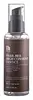
This calming essence is formulated around Snail Secretion Filtrate and Niacinamide to calm redness and strengthen the skin barrier.
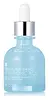
This hydrating serum is formulated around Sodium Hyaluronate and Copper Tripeptide-1 to hydrate skin and soften the look of wrinkles.

What's inside
What's inside
 Key Ingredients
Benefits
Concerns
Ingredients Side-by-side
Snail Secretion Filtrate
Skin Conditioning





Water
Skin ConditioningButylene Glycol
Humectant
Glycerin
Humectant
Niacinamide
Smoothing







1,2-Hexanediol
Skin Conditioning
Pentylene Glycol
Skin Conditioning
Acrylates/C10-30 Alkyl Acrylate Crosspolymer
Emulsion StabilisingAloe Barbadensis Leaf Juice
Skin Conditioning
Copper Tripeptide-1
Skin Conditioning
Hexapeptide-11
Skin Conditioning
Hexapeptide-9
Skin Conditioning
Palmitoyl Pentapeptide-4
Skin Conditioning
Palmitoyl Tripeptide-1
Skin Conditioning
Tripeptide-1
Skin Conditioning
Panthenol
Skin Conditioning
Betaine
Humectant
Allantoin
Skin Conditioning
Diospyros Kaki Leaf Extract
Skin Protecting
Laminaria Digitata Extract
Skin Protecting

Salix Alba Bark Extract
Astringent
Plantago Asiatica Extract
Skin ConditioningUlmus Campestris Bark Extract
AstringentPolyglyceryl-10 Laurate
Skin Conditioning

Althaea Rosea Root Extract
HumectantAloe Barbadensis Leaf Extract
Emollient
Beta-Glucan
Skin Conditioning
Arginine
Masking
Xanthan Gum
EmulsifyingAdenosine
Skin Conditioning
Caprylyl Glycol
Emollient
Bee Venom
Astringent
Snail Secretion Filtrate, Water, Butylene Glycol, Glycerin, Niacinamide, 1,2-Hexanediol, Pentylene Glycol, Acrylates/C10-30 Alkyl Acrylate Crosspolymer, Aloe Barbadensis Leaf Juice, Copper Tripeptide-1, Hexapeptide-11, Hexapeptide-9, Palmitoyl Pentapeptide-4, Palmitoyl Tripeptide-1, Tripeptide-1, Panthenol, Betaine, Allantoin, Diospyros Kaki Leaf Extract, Laminaria Digitata Extract, Salix Alba Bark Extract, Plantago Asiatica Extract, Ulmus Campestris Bark Extract, Polyglyceryl-10 Laurate, Althaea Rosea Root Extract, Aloe Barbadensis Leaf Extract, Beta-Glucan, Arginine, Xanthan Gum, Adenosine, Caprylyl Glycol, Bee Venom
Water
Skin ConditioningSodium Hyaluronate
Humectant
Copper Tripeptide-1
Skin Conditioning
Butylene Glycol
Humectant
Sclerotium Gum
Emulsion StabilisingOctanediol
Ethylhexylglycerin
Skin ConditioningTropolone
Skin ConditioningHydrogenated Polydecene
EmollientCaprylic/Capric Glycerides
EmollientHydrogenated Lecithin
Emulsifying
Stearic Acid
Cleansing
C12-20 Alkyl Glucoside
EmulsifyingC14-22 Alcohols
Emulsion Stabilising
Glyceryl Stearate
Emollient
PEG-100 Stearate
Surfactant
Cholesteryl Hydroxystearate
EmollientCholesterol
Emollient
Ceramide NP
Skin Conditioning
Triethanolamine
BufferingCarbomer
Emulsion StabilisingBetula Platyphylla Japonica Juice
Skin Conditioning
Portulaca Oleracea Extract
Skin Conditioning
Scutellaria Baicalensis Root Extract
Astringent
Astragalus Membranaceus Extract
Antioxidant
Arnica Montana Flower Extract
Masking
Artemisia Absinthium Extract
Skin ConditioningAchillea Millefolium Extract
CleansingGentiana Lutea Root Extract
Skin ConditioningRubus Idaeus Fruit Extract
AstringentBeta-Glucan
Skin Conditioning
Adenosine
Skin Conditioning
Disodium EDTA
ChelatingWater, Sodium Hyaluronate, Copper Tripeptide-1, Butylene Glycol, Sclerotium Gum, Octanediol, Ethylhexylglycerin, Tropolone, Hydrogenated Polydecene, Caprylic/Capric Glycerides, Hydrogenated Lecithin, Stearic Acid, C12-20 Alkyl Glucoside, C14-22 Alcohols, Glyceryl Stearate, PEG-100 Stearate, Cholesteryl Hydroxystearate, Cholesterol, Ceramide NP, Triethanolamine, Carbomer, Betula Platyphylla Japonica Juice, Portulaca Oleracea Extract, Scutellaria Baicalensis Root Extract, Astragalus Membranaceus Extract, Arnica Montana Flower Extract, Artemisia Absinthium Extract, Achillea Millefolium Extract, Gentiana Lutea Root Extract, Rubus Idaeus Fruit Extract, Beta-Glucan, Adenosine, Disodium EDTA
Reviews
Ingredients Explained
These ingredients are found in both products.
Ingredients higher up in an ingredient list are typically present in a larger amount.
Adenosine is a purine nucleoside that your body already makes in every cell. In skincare, it acts mainly as a skin conditioning and anti-aging agent.
The way it works is fairly well mapped out:
Your skin has cells called fibroblasts that build collagen (the stuff that keeps skin firm and smooth). Adenosine basically flips a switch on these cells that tells them to get to work making more collagen and other proteins. These cells slow down on their own as skin ages, so Adenosine helps give them a little nudge to keep going.
The clinical backing is pretty solid too.
A blind, randomized, placebo-controlled trial of 126 women aged 45-65 tested a 0.1% cream twice daily and found real improvements in crow's feet and frown lines using a precise 3D skin-mapping technique; these changes showed up by week 3 and held at 2 months.
A later study using Adenosine-loaded dissolving microneedle patches reported gains in wrinkle depth, dermal density, elasticity, and hydration.
On concentrations, South Korea's Ministry of Food and Drug Safety has set 0.04% as the approved functional anti-wrinkle level. You'll typically see this ingredient used somewhere in the 0.04-0.1% range since it works at low doses.
This ingredient has been found safe for cosmetics with the data showing no irritation or sensitization.
Overall, this is a great ingredient for any anti-aging routine and has no photosensitizing effect, so it suits both AM and PM use.
Learn more about AdenosineBeta-Glucan is a soluble polysaccharide (a chain of glucose sugars) sourced from the cells walls of oats, baker's yeast, mushrooms, and seaweed.
It's a rare ingredient that pulls double-duty as a heavy-duty hydrator and skin-soothing repair agent.
On the surface, it acts as a humectant that holds water in place and reduces moisture loss for a plumper, smoother feel, while its anti-inflammatory and antioxidant properties make it a great pick for calming redness or sensitive skin
The more interesting story is underneath:
Despite its large molecular size, oat beta-glucan has been shown to penetrate the epidermis and reach the dermis by slipping between skin cells. Here, it interacts with fibroblasts and macrophages to nudge collagen synthesis and support wound repair.
A small 2005 split-face clinical study of 27 subjects found topical beta-glucan produced measurable reductions in wrinkle depth, height, and roughness after 8 weeks of use.
It is worth noting the trial was small and the penetration testing used frozen, irradiated skin so the anti-aging data is encouraging rather than definitive.
This ingredient gets along with pretty much everything and is typically used around 0.1-1%.
Fungal acne: This ingredient is not a food source for the Malassezia yeast because it is a glucose polysaccharide with no fatty acid or ester component.
Learn more about Beta-GlucanButylene Glycol (or BG) is used within cosmetic products for a few different reasons:
Overall, Butylene Glycol is a safe and well-rounded ingredient that works well with other ingredients.
Though this ingredient works well with most skin types, some people with sensitive skin may experience a reaction such as allergic rashes, closed comedones, or itchiness.
Learn more about Butylene GlycolCopper Tripeptide-1 (GHK-Cu) is a skin repairing ingredient said to boost collagen, improve firmness, and support skin regeneration.
It is a complex made up of a naturally occurring peptide (glycine-histidine-lysine) and copper, an essential trace element.
While studying wound healing, researchers noticed GHK-Cu stimulated hair follicle enlargement and growth by keeping hair in its active growth phase longer. This has made it a promising ingredient for hair regrowth treatments.
Some people have reported increased facial hair. While GHK-Cu can make your hair follicles bigger, it usually doesn’t turn soft, barely-visible facial hairs into thick, dark ones.
Anecdotal reports suggest that overusing copper peptides might lead to premature aging due to excess free copper or enzyme imbalances. This claim isn’t backed by large-scale studies.
Unfortunately, there are limited human studies for this ingredient. While early results are promising, many studies are either small, in-vitro, or not rigorously controlled.
For example, there is a 1998 study that explored the effects of copper tripeptide, vitamin C, tretinoin, and melatonin on skin repair and collagen synthesis.
After one month, increased procollagen production was seen in 7 out of 10 participants using copper tripeptide (more than those using vitamin C, melatonin, or tretinoin.
While the study was exploratory, it offers early evidence that copper tripeptide may support collagen production. Larger, well-designed trials are still needed to confirm its potential and understand individual responses.
Read more about other common types of peptides here:
Learn more about Copper Tripeptide-1Water. It's the most common cosmetic ingredient of all. You'll usually see it at the top of ingredient lists, meaning that it makes up the largest part of the product.
So why is it so popular? Water most often acts as a solvent - this means that it helps dissolve other ingredients into the formulation.
You'll also recognize water as that liquid we all need to stay alive. If you see this, drink a glass of water. Remember to stay hydrated!
Learn more about Water


