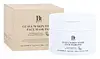
This calming toner pad uses a pre-saturated pad with Panthenol and Ceramide NP to calm redness and hydrate skin.
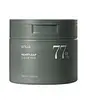
This smoothing toner pad uses a pre-saturated pad with Gluconolactone and Centella Asiatica Extract to refine skin texture and calm redness.

What's inside
What's inside
 Key Ingredients
Benefits
Concerns
No concerns
Ingredients Side-by-side
Psidium Guajava Leaf Extract
AstringentGlycerin
Humectant


Water
Skin ConditioningButylene Glycol
Humectant
Dipropylene Glycol
HumectantPentylene Glycol
Skin Conditioning
1,2-Hexanediol
Skin Conditioning
Panthenol
Skin Conditioning

Chaenomeles Sinensis Fruit Extract
Antioxidant
Cynanchum Atratum Extract
Skin ConditioningLaminaria Japonica Extract
Skin Protecting
Dioscorea Japonica Root Extract
Skin Conditioning
Artemisia Princeps Extract
Skin Conditioning
Camellia Sinensis Leaf Extract
Antimicrobial



Houttuynia Cordata Extract
Skin Conditioning
Calendula Officinalis Flower Extract
Masking
Allantoin
Skin Conditioning
Glyceryl Glucoside
Humectant
Betaine
Humectant
Dipotassium Glycyrrhizate
Humectant
Sodium Hyaluronate
Humectant
Sodium Guaiazulene Sulfonate
SurfactantCeramide NP
Skin Conditioning
Propanediol
Solvent
Polyglyceryl-10 Laurate
Skin Conditioning

Cellulose Gum
Emulsion StabilisingEthylhexylglycerin
Skin ConditioningSodium Phytate
ChelatingHydrogenated Lecithin
Emulsifying
Citric Acid
Buffering
Glucose
Humectant
Xanthan Gum
EmulsifyingPsidium Guajava Leaf Extract, Glycerin, Water, Butylene Glycol, Dipropylene Glycol, Pentylene Glycol, 1,2-Hexanediol, Panthenol, Chaenomeles Sinensis Fruit Extract, Cynanchum Atratum Extract, Laminaria Japonica Extract, Dioscorea Japonica Root Extract, Artemisia Princeps Extract, Camellia Sinensis Leaf Extract, Houttuynia Cordata Extract, Calendula Officinalis Flower Extract, Allantoin, Glyceryl Glucoside, Betaine, Dipotassium Glycyrrhizate, Sodium Hyaluronate, Sodium Guaiazulene Sulfonate, Ceramide NP, Propanediol, Polyglyceryl-10 Laurate, Cellulose Gum, Ethylhexylglycerin, Sodium Phytate, Hydrogenated Lecithin, Citric Acid, Glucose, Xanthan Gum
Houttuynia Cordata Flower/Leaf/Stem Water
Antimicrobial
Water
Skin ConditioningGluconolactone
Chelating


Propanediol
Solvent
Tromethamine
BufferingButylene Glycol
Humectant
1,2-Hexanediol
Skin Conditioning
Sodium Phytate
ChelatingBetaine
Humectant
Ammonium Acryloyldimethyltaurate/Vp Copolymer
Oenothera Biennis Flower Extract
AstringentPueraria Lobata Root Extract
HumectantPinus Palustris Leaf Extract
TonicUlmus Davidiana Root Extract
Skin Conditioning
Camellia Sinensis Leaf Extract
Antimicrobial
Coix Lacryma-Jobi Ma-Yuen Seed Extract
Skin ConditioningCentella Asiatica Extract
Cleansing
Portulaca Oleracea Extract
Skin Conditioning
Madecassoside
Antioxidant
Asiaticoside
Antioxidant
Asiatic Acid
Skin Conditioning
Madecassic Acid
Skin Conditioning
Houttuynia Cordata Flower/Leaf/Stem Water, Water, Gluconolactone, Propanediol, Tromethamine, Butylene Glycol, 1,2-Hexanediol, Sodium Phytate, Betaine, Ammonium Acryloyldimethyltaurate/Vp Copolymer, Oenothera Biennis Flower Extract, Pueraria Lobata Root Extract, Pinus Palustris Leaf Extract, Ulmus Davidiana Root Extract, Camellia Sinensis Leaf Extract, Coix Lacryma-Jobi Ma-Yuen Seed Extract, Centella Asiatica Extract, Portulaca Oleracea Extract, Madecassoside, Asiaticoside, Asiatic Acid, Madecassic Acid
Reviews
Ingredients Explained
These ingredients are found in both products.
Ingredients higher up in an ingredient list are typically present in a larger amount.
1,2-Hexanediol is a synthetic liquid and another multi-functional powerhouse.
It is a:
- Humectant, drawing moisture into the skin
- Emollient, helping to soften skin
- Solvent, dispersing and stabilizing formulas
- Preservative booster, enhancing the antimicrobial activity of other preservatives
Betaine is a humectant. Like hyaluronic acid, it helps attract and retain moisture in the skin. It’s known for being gentle and for helping the skin maintain balanced hydration.
Betaine is mainly used to improve hydration and support calmer skin. It helps skin cells regulate water balance because it functions as an osmolyte.
Some studies suggest betaine may support making skin tone more even.
Fun fact: Betaine naturally exists in the skin and the body. In cosmetic products, it can be either plant-derived (most commonly from sugar beets) or synthetically produced for consistency and stability.
Betaine is also known as trimethylglycine.
Learn more about BetaineButylene Glycol (or BG) is used within cosmetic products for a few different reasons:
Overall, Butylene Glycol is a safe and well-rounded ingredient that works well with other ingredients.
Though this ingredient works well with most skin types, some people with sensitive skin may experience a reaction such as allergic rashes, closed comedones, or itchiness.
Learn more about Butylene GlycolCamellia Sinensis Leaf Extract (tea extract) is one of the most well-researched plant extracts in skincare with an impressive resume.
Black tea, green tea, and oolong tea are all harvested from the Camellia Sinensis plant.
Studies show green tea extract and its catechins (like epigallocatechin gallate (EGCG)) help your skin cells product energy more efficiently and reducing the number of free-radicals that can damage your skin from the inside.
In lab-grown skin models, this translated to younger, healthier, and stronger skin.
There's also good sun protection data; researchers saw less DNA damage and redness on human skin when green tea was applied before UVB exposure. And the more they applied, the better the protection.
Needless to say, this ingredient shouldn't replace your sunscreen. But it is a great supportive ingredient that you can already find in many sunscreens and antioxidant serums.
A 2009 study found a 2% green tea lotion was effective for mild-to-moderate acne thanks to its anti-inflammatory and mild antimicrobial activity.
The quality of the extract matters a lot here:
Good extracts contain 50-90% catechins while lower quality ones are mostly there for marketing. We recommend reaching out to the brand if you have questions about the quality or source of their ingredients.
Human Repeated Insult Patch Testing showed no irritation or sensitization at use concentrations (0.86% in leave-on products and up to 30% as leaf water).
Learn more about Camellia Sinensis Leaf ExtractPropanediol is an all-star ingredient. It softens, hydrates, and smooths the skin.
It’s often used to:
Propanediol is not likely to cause sensitivity and considered safe to use. It is derived from corn or petroleum with a clear color and no scent.
Learn more about PropanediolSodium Phytate is the sodium salt of Phytic acid, a compound that plants store phosphorus in. It's the plant-derived alternative to ingredients like Disodium EDTA.
In skincare, this ingredient is a chelator that grabs onto trace metal ions like iron and copper that sneak into formulas through water/raw materials.
Those metals speed up oxidation so binding them keeps oils, fragrance, and actives from going off, stops color changes, and helps the preservative system work harder.
Survey data shows usage levels range from 0.0099%-0.5% in leave-on products, 0.025%-0.3% in rinse-off, and up to 0.05% in eye-area products. Suppliers typically recommend a range between 0.05-0.5%.
Learn more about Sodium PhytateWater. It's the most common cosmetic ingredient of all. You'll usually see it at the top of ingredient lists, meaning that it makes up the largest part of the product.
So why is it so popular? Water most often acts as a solvent - this means that it helps dissolve other ingredients into the formulation.
You'll also recognize water as that liquid we all need to stay alive. If you see this, drink a glass of water. Remember to stay hydrated!
Learn more about Water

