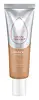
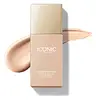
beautyblender Bounce Liquid Whip Long Wear Foundation Versus Iconic London Super Smoother Blurring Skin Tint


What's inside
What's inside
 Key Ingredients
Benefits
Concerns
No concerns
Ingredients Side-by-side
Water
Skin ConditioningCyclopentasiloxane
Emollient
Caprylyl Methicone
Skin Conditioning
Cetyl PEG/PPG-10/1 Dimethicone
Emulsifying
Aluminum Starch Octenylsuccinate
Absorbent
Talc
Abrasive
Sodium Chloride
MaskingSodium Hyaluronate
Humectant




Glycerin
Humectant
Betula Alba Leaf Extract
AstringentMethicone
Emollient
Propylene Carbonate
SolventMethyl Methacrylate Crosspolymer
Disteardimonium Hectorite
StabilisingDisodium EDTA
Sodium Dehydroacetate
Preservative
Phenoxyethanol
Preservative
Potassium Sorbate
Preservative
Glucuronic Acid
Buffering
Pentaerythrityl Tetra-Di-T-Butyl Hydroxyhydrocinnamate
Antioxidant
Titanium Dioxide
Cosmetic Colorant

Iron Oxides
CI 77007
Cosmetic ColorantWater, Cyclopentasiloxane, Caprylyl Methicone, Cetyl PEG/PPG-10/1 Dimethicone, Aluminum Starch Octenylsuccinate, Talc, Sodium Chloride, Sodium Hyaluronate, Glycerin, Betula Alba Leaf Extract, Methicone, Propylene Carbonate, Methyl Methacrylate Crosspolymer, Disteardimonium Hectorite, Disodium EDTA, Sodium Dehydroacetate, Phenoxyethanol, Potassium Sorbate, Glucuronic Acid, Pentaerythrityl Tetra-Di-T-Butyl Hydroxyhydrocinnamate, Titanium Dioxide, Iron Oxides, CI 77007
Water
Skin ConditioningDimethicone
Emollient
Talc
Abrasive
Dicaprylyl Carbonate
EmollientIsostearyl Neopentanoate
Emollient
Glycerin
Humectant
Dimethicone/Vinyl Dimethicone Crosspolymer
Skin Conditioning
PEG-10 Dimethicone
Skin Conditioning
Trimethylsiloxysilicate
Emollient
Isododecane
EmollientBis-PEG/PPG-14/14 Dimethicone
Emollient
Phenoxyethanol
Preservative
Sodium Chloride
MaskingMagnesium Sulfate
Hydrogen Dimethicone
Sodium Dehydroacetate
Preservative
Disteardimonium Hectorite
StabilisingSilica
Abrasive
Prunus Persica Flower Extract
MoisturisingBenzoic Acid
Masking
Aluminum Hydroxide
EmollientC24-28 Alkyl Methicone
Emollient
Collagen Amino Acids
Moisturising
Maltodextrin
Absorbent
Dehydroacetic Acid
Preservative
Pisum Sativum Extract
Skin ConditioningPropylene Carbonate
SolventLeuconostoc/Radish Root Ferment Filtrate
Antimicrobial
Sodium Citrate
BufferingEthylhexylglycerin
Skin ConditioningLaureth-4
Emulsifying
Camellia Sinensis Leaf Extract
Antimicrobial
Sodium Benzoate
Masking
Tocopherol
Antioxidant

Citric Acid
Buffering

CI 77891
Cosmetic ColorantCI 77492
Cosmetic ColorantCI 77491
Cosmetic ColorantCI 77499
Cosmetic ColorantWater, Dimethicone, Talc, Dicaprylyl Carbonate, Isostearyl Neopentanoate, Glycerin, Dimethicone/Vinyl Dimethicone Crosspolymer, PEG-10 Dimethicone, Trimethylsiloxysilicate, Isododecane, Bis-PEG/PPG-14/14 Dimethicone, Phenoxyethanol, Sodium Chloride, Magnesium Sulfate, Hydrogen Dimethicone, Sodium Dehydroacetate, Disteardimonium Hectorite, Silica, Prunus Persica Flower Extract, Benzoic Acid, Aluminum Hydroxide, C24-28 Alkyl Methicone, Collagen Amino Acids, Maltodextrin, Dehydroacetic Acid, Pisum Sativum Extract, Propylene Carbonate, Leuconostoc/Radish Root Ferment Filtrate, Sodium Citrate, Ethylhexylglycerin, Laureth-4, Camellia Sinensis Leaf Extract, Sodium Benzoate, Tocopherol, Citric Acid, CI 77891, CI 77492, CI 77491, CI 77499
Reviews
Ingredients Explained
These ingredients are found in both products.
Ingredients higher up in an ingredient list are typically present in a larger amount.
Disteardimonium Hectorite comes from the clay mineral named hectorite. It is used to add thickness to a product.
It can also help stabilize a product by helping to disperse other ingredients.
Hectorite is a rare, white clay mineral.
Learn more about Disteardimonium HectoriteGlycerin (or glycerol) is a compound naturally found in your skin. It's a powerhouse humectant that pulls water into the stratum corneum.
Topically, glycerin does several things at once:
Your skin makes glycerin on its own (mostly from sebaceous oil breakdown) and shuttles it to your outermost layer of skin, or your epidermis, via aquaporin-3.
Aquaporin-3 is a transporter that is essential for normal skin hydration, elasticity, and repair. Interestingly, mice lacking in AQP3 have dry and less elastic skin that can be fully corrected with glycerin.
This ingredient is non-irritating, plays well with almost every ingredient, and works across all skin types. Typical use is anywhere between 3-10% but can go up to 79% in some leave-on products.
Just know very high concentrations (>40%) can feel tacky in low humidity.
Glycerin is the name for this ingredient in American English. British English uses Glycerol/Glycerine.
Learn more about GlycerinPhenoxyethanol is a preservative that has germicide, antimicrobial, and aromatic properties. Studies show that phenoxyethanol can prevent microbial growth. By itself, it has a scent that is similar to that of a rose.
It's often used in formulations along with Caprylyl Glycol to preserve the shelf life of products.
This ingredient is a solvent. It helps dissolve active ingredients and alter the texture of products.
Propylene Carbonate is commonly used in makeup and with clay, such as montmorillonite or bentonite.
Studies show this ingredient to be safe for cosmetics. When it is undiluted, it can cause skin irritation. (It is always diluted in skincare and makeup). This ingredient is water-soluble.
Propylene Carbonate is created from propylene glycol and carbonic acid.
Learn more about Propylene CarbonateChances are, you eat sodium chloride every day. Sodium Chloride is also known as table salt. This ingredient has many purposes in skincare: thickener, emulsifier, and exfoliator.
You'll most likely find this ingredient in cleansers where it is used to create a gel-like texture. As an emulsifier, it also prevents ingredients from separating.
You might see people debate whether Sodium Chloride is comedogenic, but there actually haven't been any comedogenic tests done on it. Either way, the overall formulation of a product matters a lot more than any single ingredient.
You might see this ingredient used in scrubs as a primary exfoliating ingredient.
Learn more about Sodium ChlorideThis ingredient is a preservative with antimicrobial properties. It is the sodium salt of dehydroacetic acid.
It is especially effective at preventing bacterial and fungal growth in low concentrations.
Talc is a clay mineral. It helps absorb moisture and improve the texture of products. Like other types of clay, Talc can have a slight exfoliating effect on skin. Talc can be added to increase the volume of products.
Some Baby powders are made by combining talc with corn starch. The word "talc" comes from Latin and originates from Arabic. Talc is a mineral commonly found throughout the world.
If you have any concerns about using talc, we recommend checking out the FDA's official page.
Learn more about TalcWater. It's the most common cosmetic ingredient of all. You'll usually see it at the top of ingredient lists, meaning that it makes up the largest part of the product.
So why is it so popular? Water most often acts as a solvent - this means that it helps dissolve other ingredients into the formulation.
You'll also recognize water as that liquid we all need to stay alive. If you see this, drink a glass of water. Remember to stay hydrated!
Learn more about Water
