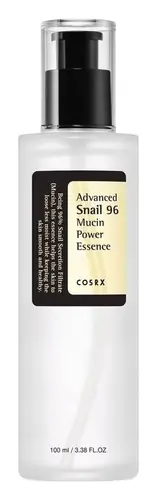
Beauty of Joseon Rice Radiance Serum Versus Beekman 1802 Milk RX Advanced Better Aging Wrinkle Serum
This brightening serum is formulated around Alpha-Arbutin and 3-O-Ethyl Ascorbic Acid to brighten dull-looking skin and fade the look of dark spots.
This anti-aging serum is formulated around 3-O-Ethyl Ascorbic Acid and Tetrahexyldecyl Ascorbate to soften the look of wrinkles and refine skin texture.


What's inside
What's inside
 Key Ingredients
Benefits
Concerns
No concerns
Ingredients Side-by-side
Water
Skin ConditioningButylene Glycol
Humectant

Propanediol
Solvent
Alpha-Arbutin
Antioxidant




Glycerin
Humectant
1,2-Hexanediol
Skin Conditioning
Glycereth-26
Humectant
Glyceryl Glucoside
Humectant
Methyl Gluceth-20
Humectant
Pentylene Glycol
Skin Conditioning
Oryza Sativa Bran Water
Masking
Xanthan Gum
EmulsifyingCarbomer
Emulsion StabilisingTromethamine
Buffering3-O-Ethyl Ascorbic Acid
Skin Conditioning



Caprylic/Capric Triglyceride
Masking
Ethylhexylglycerin
Skin ConditioningHydrogenated Lecithin
Emulsifying
Sodium Phytate
ChelatingSodium Hyaluronate
Humectant

Ceramide NP
Skin Conditioning

Beta-Glucan
Skin Conditioning
Tocopherol
Antioxidant
Water, Butylene Glycol, Propanediol, Alpha-Arbutin, Glycerin, 1,2-Hexanediol, Glycereth-26, Glyceryl Glucoside, Methyl Gluceth-20, Pentylene Glycol, Oryza Sativa Bran Water, Xanthan Gum, Carbomer, Tromethamine, 3-O-Ethyl Ascorbic Acid, Caprylic/Capric Triglyceride, Ethylhexylglycerin, Hydrogenated Lecithin, Sodium Phytate, Sodium Hyaluronate, Ceramide NP, Beta-Glucan, Tocopherol
Water
Skin ConditioningCoco-Caprylate/Caprate
Emollient
Cetearyl Isononanoate
Emollient
Propanediol
Solvent
Glycerin
Humectant
Glyceryl Stearate Citrate
Emollient

3-O-Ethyl Ascorbic Acid
Skin Conditioning
Caprylic/Capric Triglyceride
Masking
Polyglyceryl-3 Stearate
Emulsifying
Diglycerin
Humectant
Polyglyceryl-10 Pentaisostearate
Emollient
Butylene Glycol
Humectant
C9-12 Alkane
SolventHydrogenated Lecithin
Emulsifying
Tetrahexyldecyl Ascorbate
Antioxidant
Caprylyl Glycol
Emollient
1,2-Hexanediol
Skin Conditioning
Hydroxyacetophenone
Antioxidant
Sodium Stearoyl Glutamate
CleansingXanthan Gum
EmulsifyingCarbomer
Emulsion StabilisingEthylhexylglycerin
Skin ConditioningSodium Hydroxide
BufferingCucumis Sativus Extract
Skin Conditioning
Phospholipids
Skin Conditioning
Polyglutamic Acid
Skin Conditioning
Iron Oxides
CI 77492
Cosmetic ColorantSclerotium Gum
Emulsion StabilisingLecithin
Emollient
Maltodextrin
Absorbent
Phyllanthus Emblica Fruit Extract
HumectantPullulan
2,3-Butanediol
HumectantSilica
Abrasive

Arbutin
Antioxidant
Hydrolyzed Soy Protein
Humectant
Tocopherol
Antioxidant
Rice Amino Acids
Skin Conditioning
Linseed Acid
CleansingTocopheryl Acetate
Antioxidant
Glyceryl Stearate
Emollient
Lactose
HumectantMilk Protein
Skin ConditioningBifida Ferment Lysate
Skin Conditioning
Glutathione
Proline
Skin Conditioning
Sodium Carbonate
BufferingCaprae Lac
Skin ConditioningCeramide Ns
Skin Conditioning
Ceramide As
Skin Conditioning
Ceramide AP
Skin Conditioning
Cholesterol
Emollient
Hydrolyzed Adansonia Digitata Seed Extract
Sodium Benzoate
Masking
Nephelium Lappaceum Peel Extract
Skin ConditioningAscorbyl Palmitate
Antioxidant
Hexapeptide-9
Skin Conditioning
Nicotiana Benthamiana Hexapeptide-40 Sh-Polypeptide-76
Skin Conditioning
Ceramide EOP
Skin Conditioning
Water, Coco-Caprylate/Caprate, Cetearyl Isononanoate, Propanediol, Glycerin, Glyceryl Stearate Citrate, 3-O-Ethyl Ascorbic Acid, Caprylic/Capric Triglyceride, Polyglyceryl-3 Stearate, Diglycerin, Polyglyceryl-10 Pentaisostearate, Butylene Glycol, C9-12 Alkane, Hydrogenated Lecithin, Tetrahexyldecyl Ascorbate, Caprylyl Glycol, 1,2-Hexanediol, Hydroxyacetophenone, Sodium Stearoyl Glutamate, Xanthan Gum, Carbomer, Ethylhexylglycerin, Sodium Hydroxide, Cucumis Sativus Extract, Phospholipids, Polyglutamic Acid, Iron Oxides, CI 77492, Sclerotium Gum, Lecithin, Maltodextrin, Phyllanthus Emblica Fruit Extract, Pullulan, 2,3-Butanediol, Silica, Arbutin, Hydrolyzed Soy Protein, Tocopherol, Rice Amino Acids, Linseed Acid, Tocopheryl Acetate, Glyceryl Stearate, Lactose, Milk Protein, Bifida Ferment Lysate, Glutathione, Proline, Sodium Carbonate, Caprae Lac, Ceramide Ns, Ceramide As, Ceramide AP, Cholesterol, Hydrolyzed Adansonia Digitata Seed Extract, Sodium Benzoate, Nephelium Lappaceum Peel Extract, Ascorbyl Palmitate, Hexapeptide-9, Nicotiana Benthamiana Hexapeptide-40 Sh-Polypeptide-76, Ceramide EOP
Reviews
Ingredients Explained
These ingredients are found in both products.
Ingredients higher up in an ingredient list are typically present in a larger amount.
1,2-Hexanediol is a synthetic liquid and another multi-functional powerhouse.
It is a:
- Humectant, drawing moisture into the skin
- Emollient, helping to soften skin
- Solvent, dispersing and stabilizing formulas
- Preservative booster, enhancing the antimicrobial activity of other preservatives
3-O-Ethyl Ascorbic Acid is one of the most popular "stable" vitamin C derivatives in skincare.
Plain ascorbic acid is fantastic but notoriously fragile; it browns, oxidizes, and loses potency fast. So attaching an ethyl group to the third carbon of the molecule gives it some cool perks:
In a formula, it does the 3 classic vitamin C jobs: it acts as an antioxidant, helps brighten skin tone by inhibiting tyrosinase, and supports collagen.
The evidence is reasonably solid for a cosmetic ingredient; Liao and colleagues (2018) showed it's significantly more stable than ascorbic acid while still being effective.
A 2021 study by Zerbinati and colleagues tested a serum with 30% 3-O-ethyl-l-ascorbic acid and 1% lactic acid significantly increased collagen production, reduced UVB-induced DNA damage, and decreased melanin on a reconstructed pigmented skin model.
Typical real world usage sits around 0.5-5% (and 1-2% is common for daily serums).
Amounts up to 30% have been shown to be non-irritating on human skin samples, but two isolated cases reported allergic contact dermatitis so a patch test is sensible if you have reactive skin.
Learn more about 3-O-Ethyl Ascorbic AcidButylene Glycol (or BG) is used within cosmetic products for a few different reasons:
Overall, Butylene Glycol is a safe and well-rounded ingredient that works well with other ingredients.
Though this ingredient works well with most skin types, some people with sensitive skin may experience a reaction such as allergic rashes, closed comedones, or itchiness.
Learn more about Butylene GlycolCaprylic/Capric Triglyceride (aka MCT Oil) is a lightweight emollient, solvent, and texture enhancer. It is considered a skin-softener by helping to prevent moisture loss.
Though it behaves like an oil, it is not technically one due to its chemical composition. One perk of this ingredient is that it is very stable, resistant to oxidation, and unlikely to go rancid.
In practice, that translates to a long shelf life and a consistently elegant skin feel.
While there is an assumption Caprylic Triglyceride can clog pores due to it being derived from coconut oil, there is no research supporting this. Just patch test if you have concerns.
Fractionated coconut oil and MCT Oil are both listed as Caprylic/Capric Triglyceride according to INCI. This is because INCI names are based on the ingredient’s final chemical composition and not its marketing name or source.
This ingredient is treated as the gold standard fungal acne safe oil. Even though it is coconut derived, the problematic lauric acid is stripped out.
This leaves just caprylic (C8) and capric (C10) acid. These chain lengths actually trend antifungal; a 2020 study found caprylic acid was enough to disrupt Malassezia furfur cell membrane, with a caprylic acid derivative damaging membrane structures at concentrations as low as 0.2%.
Learn more about Caprylic/Capric TriglycerideCarbomer is a synthetic thickening and gelling agent. It's basically the ingredient that gives a lot of serums, gels, creams, and sunscreens their smooth, non-sticky texture.
Although legally permitted at very high levels, carbomers are normally used at concentrations below 1%.
It also needs to be neutralized to actually thicken, and because it is a large molecule, it doesn't really penetrate the skin barrier.
Allergy-wise, the risk is very low. Clinical studies show carbomers have low potential for skin irritation/sensitization even at concentrations up to 100%.
A 2024 UK study patch-tested 1,302 patients and found true allergy to the parent group of carbomer to be rare with no confirmed relevant reactions.
Learn more about CarbomerEthylhexylglycerin is created from glycerin. It is a multitasker ingredient that:
The CIR Expert Panel found minimal skin absorption or sensitization of any kind in a safety assessment. Though this ingredient is considered well-tolerated, a small number of cases of allergic dermatitis have been published since 2002. Just be sure to patch test if you are unsure.
Industry-reported use ranges from 8% in rinse-off products and 2% in leave-on formulations.
Learn more about EthylhexylglycerinGlycerin (or glycerol) is a compound naturally found in your skin. It's a powerhouse humectant that pulls water into the stratum corneum.
Topically, glycerin does several things at once:
Your skin makes glycerin on its own (mostly from sebaceous oil breakdown) and shuttles it to your outermost layer of skin, or your epidermis, via aquaporin-3.
Aquaporin-3 is a transporter that is essential for normal skin hydration, elasticity, and repair. Interestingly, mice lacking in AQP3 have dry and less elastic skin that can be fully corrected with glycerin.
This ingredient is non-irritating, plays well with almost every ingredient, and works across all skin types. Typical use is anywhere between 3-10% but can go up to 79% in some leave-on products.
Just know very high concentrations (>40%) can feel tacky in low humidity.
Glycerin is the name for this ingredient in American English. British English uses Glycerol/Glycerine.
Learn more about GlycerinHydrogenated Lecithin is a more stable version of lecithin.
It's made by taking lecithin (a phospholipid commonly found in soybeans and egg yolks) and hydrogenating it. This just means the unsaturated fatty acids are turned into saturated ones so they don't go bad as easily.
This ingredient is an emollient, emulsifier, and penetration enhancer. As an emollient, it helps soften and hydrate skin by trapping moisture within. As an emulsifier, it prevents oil and water ingredients from separating.
Hydrogenated Lecithin can form tiny spherical structures made of phospholipid bilayers called liposomes. These liposomes are able to capture compounds inside their structure and deliver them through the skin barrier.
Because phospholipids are a natural component of our cell membranes, this ingredient is inherently compatible with skin.
A 2021 study found lecithin-based surfactants were less harsh and more tolerable comared to Sodium Lauryl Sulfate (SLS).
Learn more about Hydrogenated LecithinPropanediol is an all-star ingredient. It softens, hydrates, and smooths the skin.
It’s often used to:
Propanediol is not likely to cause sensitivity and considered safe to use. It is derived from corn or petroleum with a clear color and no scent.
Learn more about PropanediolTocopherol is a fat-soluble antioxidant known as Vitamin E.
You'll find this ingredient in the vast majority of skincare (for good reason). It works to neutralize free radicals, or unstable molecules generated by UV exposure, pollution, and other environmental stressors, before they can cause oxidative damage to your skin cells.
Topically applied tocopherol has been shown to protect against UV damage by ramping up the skin's own natural defense enzymes.
It also acts as a skin conditioning agent; some studies show that regular topical use can improve the skin's water-binding capacity over 2-4 weeks.
This ingredient is especially loved for being a team player. When combined with Vitamin C, the photoprotective effect of both ingredients roughly doubles and the combo also helps reduce UV-induced DNA damage.
This ingredient has some brightening potential but it's more of a prevention ingredient than spot-fader. Cell studies show it can slow down melanin production but it's worth noting that it's not the most powerful brightener out there.
In formulations, it also serves as a stabilizer that helps protect other oxidation-prone ingredients from degrading.
Concentrations usually range from 0.1-1% in most leave-on products.
Learn more about TocopherolWater. It's the most common cosmetic ingredient of all. You'll usually see it at the top of ingredient lists, meaning that it makes up the largest part of the product.
So why is it so popular? Water most often acts as a solvent - this means that it helps dissolve other ingredients into the formulation.
You'll also recognize water as that liquid we all need to stay alive. If you see this, drink a glass of water. Remember to stay hydrated!
Learn more about WaterXanthan gum is used as a stabilizer and thickener within cosmetic products. It helps give products a sticky, thick feeling - preventing them from being too runny.
On the technical side of things, xanthan gum is a polysaccharide - a combination consisting of multiple sugar molecules bonded together.
Xanthan gum is a pretty common and great ingredient. It is a natural, non-toxic, non-irritating ingredient that is also commonly used in food products.
Learn more about Xanthan Gum