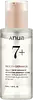
This brightening serum is formulated around Alpha-Arbutin and 3-O-Ethyl Ascorbic Acid to brighten dull-looking skin and fade the look of dark spots.
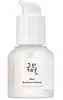
This hydrating serum is formulated around Niacinamide and Oryza Sativa Extract to hydrate skin and strengthen the skin barrier.

What's inside
What's inside
 Key Ingredients
Benefits
Ingredients Side-by-side
Water
Skin ConditioningButylene Glycol
Humectant

Propanediol
Solvent
Alpha-Arbutin
Antioxidant




Glycerin
Humectant
1,2-Hexanediol
Skin Conditioning
Glycereth-26
Humectant
Glyceryl Glucoside
Humectant
Methyl Gluceth-20
Humectant
Pentylene Glycol
Skin Conditioning
Oryza Sativa Bran Water
Masking
Xanthan Gum
EmulsifyingCarbomer
Emulsion StabilisingTromethamine
Buffering3-O-Ethyl Ascorbic Acid
Skin Conditioning



Caprylic/Capric Triglyceride
Masking
Ethylhexylglycerin
Skin ConditioningHydrogenated Lecithin
Emulsifying
Sodium Phytate
ChelatingSodium Hyaluronate
Humectant

Ceramide NP
Skin Conditioning

Beta-Glucan
Skin Conditioning
Tocopherol
Antioxidant
Water, Butylene Glycol, Propanediol, Alpha-Arbutin, Glycerin, 1,2-Hexanediol, Glycereth-26, Glyceryl Glucoside, Methyl Gluceth-20, Pentylene Glycol, Oryza Sativa Bran Water, Xanthan Gum, Carbomer, Tromethamine, 3-O-Ethyl Ascorbic Acid, Caprylic/Capric Triglyceride, Ethylhexylglycerin, Hydrogenated Lecithin, Sodium Phytate, Sodium Hyaluronate, Ceramide NP, Beta-Glucan, Tocopherol
Oryza Sativa Bran Water
Masking
Dipropylene Glycol
HumectantGlycerin
Humectant
Methylpropanediol
SolventWater
Skin ConditioningButylene Glycol
Humectant
Methyl Gluceth-10
EmulsifyingNiacinamide
Smoothing


1,2-Hexanediol
Skin Conditioning
Panthenol
Skin Conditioning
Hydroxyethyl Urea
Humectant
Pentylene Glycol
Skin Conditioning
Sodium Polyacrylate
Absorbent
Oryza Sativa Extract
Absorbent
Caprylic/Capric Triglyceride
Masking
Carbomer
Emulsion StabilisingHydrogenated Lecithin
Emulsifying
Ethylhexylglycerin
Skin ConditioningPolyquaternium-51
Skin Conditioning
Adenosine
Skin Conditioning
Allantoin
Skin Conditioning
Sodium Phytate
ChelatingXanthan Gum
EmulsifyingCeramide NP
Skin Conditioning
Sodium Hyaluronate
Humectant
Alpha-Arbutin
Antioxidant
Angelica Keiskei Extract
Antioxidant
Corchorus Olitorius Leaf Extract
Skin ConditioningDioscorea Japonica Root Extract
Skin Conditioning
Hibiscus Esculentus Fruit Extract
Skin ConditioningNelumbo Nucifera Root Extract
Skin ConditioningBeta-Glucan
Skin Conditioning
Tocopherol
Antioxidant
Defatted Rice Bran Extract
Antioxidant
Arbutin
Antioxidant
Zinc Stearate
Cosmetic ColorantDefatted Rice Bran
Skin ConditioningOryza Sativa Bran
Abrasive
Hydrolyzed Rice Protein
Skin ConditioningOryza Sativa Seed Protein
Antioxidant
Honey Extract
Humectant
Hyaluronic Acid
Humectant
Hydrolyzed Hyaluronic Acid
Humectant
Oryza Sativa Bran Water, Dipropylene Glycol, Glycerin, Methylpropanediol, Water, Butylene Glycol, Methyl Gluceth-10, Niacinamide, 1,2-Hexanediol, Panthenol, Hydroxyethyl Urea, Pentylene Glycol, Sodium Polyacrylate, Oryza Sativa Extract, Caprylic/Capric Triglyceride, Carbomer, Hydrogenated Lecithin, Ethylhexylglycerin, Polyquaternium-51, Adenosine, Allantoin, Sodium Phytate, Xanthan Gum, Ceramide NP, Sodium Hyaluronate, Alpha-Arbutin, Angelica Keiskei Extract, Corchorus Olitorius Leaf Extract, Dioscorea Japonica Root Extract, Hibiscus Esculentus Fruit Extract, Nelumbo Nucifera Root Extract, Beta-Glucan, Tocopherol, Defatted Rice Bran Extract, Arbutin, Zinc Stearate, Defatted Rice Bran, Oryza Sativa Bran, Hydrolyzed Rice Protein, Oryza Sativa Seed Protein, Honey Extract, Hyaluronic Acid, Hydrolyzed Hyaluronic Acid
Reviews
Ingredients Explained
These ingredients are found in both products.
Ingredients higher up in an ingredient list are typically present in a larger amount.
1,2-Hexanediol is a synthetic liquid and another multi-functional powerhouse.
It is a:
- Humectant, drawing moisture into the skin
- Emollient, helping to soften skin
- Solvent, dispersing and stabilizing formulas
- Preservative booster, enhancing the antimicrobial activity of other preservatives
Alpha-Arbutin is a brightening active used to fade dark spots, melasma, and post-acne marks. Structurally, it is a hydroquinone with a sugar molecule attached (but is much gentler than raw hydroquinone).
It has a pretty elegant way of working; it slots into tyrosinase, or the key enzyme that your skin uses to make melanin), and competitively blocks it so your skin produces less pigment over time.
There are two forms of arbutin and alpha is the better one to reach for: it works at lower amounts, absorbs into skin more easily, and has a strong safety record.
The science backs this up too: lab and animal studies confirm it lowers melanin by blocking tyosinase and the more you use (up to a point), the more it works.
Human studies look good too.
A 2024 trial found a cream with 5% alpha-arbutin and 2% kojic acid worked about as well as a prescription melasma cream but with fewer side effects. Another study showed 2% alpha-arbutin paired with 10% Trihydroxybenzoic Acid Glucoside and sunscreen faded dark spots and melasma without causing irritation.
Concentration-wise, most serums land in the 1-2% range.
The EU's Scientific Committee on Consumer Safety concluded that alpha-arbutin is safe in face creams up to 2% and body lotions up to 0.5%.
Overall, this is a well-studied and low-irritation brightener that's a great pick for anyone dealing with uneven skin tone. It also pairs well with vitamin C, niacinamide, and sunscreen.
Alpha-Arbutin is a brightening molecule with a sugar attached to it. That sugar makes it love water which is great for keeping products stable...but not so great for getting through your skin.
The outer layer of your skin is oily and waterproof by design so water-loving ingredients have a harder time getting past it.
Lab tests using real human skin show only a tiny fraction of the Alpha-Arbutin applied actually made it below the surface. Most of it just sat on top and eventually got washed or rubbed away.
So why bother?
Because it doesn't really need to go far. Pigment gets made just under the surface so even a small amount landing in the right place can slow it down. Studies where people used 2% Alpha-Arbutin along with sunscreen did see dark spots fade. Keep in mind it's just slow so expect months, not weeks.
You might have heard Alpha-Arbutin turns into hydroquinone (a much stronger, prescription-level brightener) once it's on your face. It can happen in theory since bacteria on your skin can break that sugar off.
But the amount was almost nothing when researchers actually measured it on real people. That's why European safety regulators looked at all of this in 2023 and said 2% for face products and 0.5% for body products is fine.
We can tell you a product has Alpha-Arbutin in it but nobody can tell you how much will absorb into your skin. Here's why:
This is why safety regulators test absorption on actual skin in a lab instead of trying to calculate it. If it could be predicted from an ingredient list, they'd do that.
Learn more about Alpha-ArbutinBeta-Glucan is a soluble polysaccharide (a chain of glucose sugars) sourced from the cells walls of oats, baker's yeast, mushrooms, and seaweed.
It's a rare ingredient that pulls double-duty as a heavy-duty hydrator and skin-soothing repair agent.
On the surface, it acts as a humectant that holds water in place and reduces moisture loss for a plumper, smoother feel, while its anti-inflammatory and antioxidant properties make it a great pick for calming redness or sensitive skin
The more interesting story is underneath:
Despite its large molecular size, oat beta-glucan has been shown to penetrate the epidermis and reach the dermis by slipping between skin cells. Here, it interacts with fibroblasts and macrophages to nudge collagen synthesis and support wound repair.
A small 2005 split-face clinical study of 27 subjects found topical beta-glucan produced measurable reductions in wrinkle depth, height, and roughness after 8 weeks of use.
It is worth noting the trial was small and the penetration testing used frozen, irradiated skin so the anti-aging data is encouraging rather than definitive.
This ingredient gets along with pretty much everything and is typically used around 0.1-1%.
Fungal acne: This ingredient is not a food source for the Malassezia yeast because it is a glucose polysaccharide with no fatty acid or ester component.
Learn more about Beta-GlucanButylene Glycol (or BG) is used within cosmetic products for a few different reasons:
Overall, Butylene Glycol is a safe and well-rounded ingredient that works well with other ingredients.
Though this ingredient works well with most skin types, some people with sensitive skin may experience a reaction such as allergic rashes, closed comedones, or itchiness.
Learn more about Butylene GlycolCaprylic/Capric Triglyceride (aka MCT Oil) is a lightweight emollient, solvent, and texture enhancer. It is considered a skin-softener by helping to prevent moisture loss.
Though it behaves like an oil, it is not technically one due to its chemical composition. One perk of this ingredient is that it is very stable, resistant to oxidation, and unlikely to go rancid.
In practice, that translates to a long shelf life and a consistently elegant skin feel.
While there is an assumption Caprylic Triglyceride can clog pores due to it being derived from coconut oil, there is no research supporting this. Just patch test if you have concerns.
Fractionated coconut oil and MCT Oil are both listed as Caprylic/Capric Triglyceride according to INCI. This is because INCI names are based on the ingredient’s final chemical composition and not its marketing name or source.
This ingredient is treated as the gold standard fungal acne safe oil. Even though it is coconut derived, the problematic lauric acid is stripped out.
This leaves just caprylic (C8) and capric (C10) acid. These chain lengths actually trend antifungal; a 2020 study found caprylic acid was enough to disrupt Malassezia furfur cell membrane, with a caprylic acid derivative damaging membrane structures at concentrations as low as 0.2%.
Learn more about Caprylic/Capric TriglycerideCarbomer is a synthetic thickening and gelling agent. It's basically the ingredient that gives a lot of serums, gels, creams, and sunscreens their smooth, non-sticky texture.
Although legally permitted at very high levels, carbomers are normally used at concentrations below 1%.
It also needs to be neutralized to actually thicken, and because it is a large molecule, it doesn't really penetrate the skin barrier.
Allergy-wise, the risk is very low. Clinical studies show carbomers have low potential for skin irritation/sensitization even at concentrations up to 100%.
A 2024 UK study patch-tested 1,302 patients and found true allergy to the parent group of carbomer to be rare with no confirmed relevant reactions.
Learn more about CarbomerCeramide NP (formerly known as Ceramide 3) is one of the skin's naturally occurring lipids.
Since ceramides are the major lipid components of the skin, they are crucial for maintaining skin barrier and hydration. Ceramide NP most closely mirrors the dominant kind in human skin amongst ceramide subtypes.
This ceramide works by slotting into gaps within the stratum corneum's lipid matrix to limit trans-epidermal water loss (TEWL) and shield the skin against external irritants.
A study with 312 patients found that using a ceramide-containing routine for 4 weeks reduced the severity of atopic dermatitis by over 61%.
Another clinical study in subjects aged 60 and older found that a ceramide body wash and moisturizer improved skin dryness and itchy skin in 15 days.
Overall, ceramides are considered non-irritating and safety tests have found little to no observable adverse effects from using this ingredient.
Ceramide NP is usually sourced from plants (like soybean or rice bran), or produced synthetically.
Learn more about Ceramide NPEthylhexylglycerin is created from glycerin. It is a multitasker ingredient that:
The CIR Expert Panel found minimal skin absorption or sensitization of any kind in a safety assessment. Though this ingredient is considered well-tolerated, a small number of cases of allergic dermatitis have been published since 2002. Just be sure to patch test if you are unsure.
Industry-reported use ranges from 8% in rinse-off products and 2% in leave-on formulations.
Learn more about EthylhexylglycerinGlycerin (or glycerol) is a compound naturally found in your skin. It's a powerhouse humectant that pulls water into the stratum corneum.
Topically, glycerin does several things at once:
Your skin makes glycerin on its own (mostly from sebaceous oil breakdown) and shuttles it to your outermost layer of skin, or your epidermis, via aquaporin-3.
Aquaporin-3 is a transporter that is essential for normal skin hydration, elasticity, and repair. Interestingly, mice lacking in AQP3 have dry and less elastic skin that can be fully corrected with glycerin.
This ingredient is non-irritating, plays well with almost every ingredient, and works across all skin types. Typical use is anywhere between 3-10% but can go up to 79% in some leave-on products.
Just know very high concentrations (>40%) can feel tacky in low humidity.
Glycerin is the name for this ingredient in American English. British English uses Glycerol/Glycerine.
Learn more about GlycerinHydrogenated Lecithin is a more stable version of lecithin.
It's made by taking lecithin (a phospholipid commonly found in soybeans and egg yolks) and hydrogenating it. This just means the unsaturated fatty acids are turned into saturated ones so they don't go bad as easily.
This ingredient is an emollient, emulsifier, and penetration enhancer. As an emollient, it helps soften and hydrate skin by trapping moisture within. As an emulsifier, it prevents oil and water ingredients from separating.
Hydrogenated Lecithin can form tiny spherical structures made of phospholipid bilayers called liposomes. These liposomes are able to capture compounds inside their structure and deliver them through the skin barrier.
Because phospholipids are a natural component of our cell membranes, this ingredient is inherently compatible with skin.
A 2021 study found lecithin-based surfactants were less harsh and more tolerable comared to Sodium Lauryl Sulfate (SLS).
Learn more about Hydrogenated LecithinOryza Sativa Bran Water comes from the outer layer of a rice kernel. It is a byproduct of milling rice, or the operation to produce a whole grain rice product.
According to INCI, this ingredient is used for masking and perfuming.
Masking ingredients are used to obscure or block properties of other ingredients. They are commonly used to block the scent of a product.
Peruming ingredients help give products a scent and can be natural or synthetically created.
Learn more about Oryza Sativa Bran WaterPentylene Glycol (1,2-pentanediol) is a multitasking little diol with three main roles in a formula:
Research on alkanediols (the family pentylene glycol belongs to) show they work by disrupting microbial cell membranes. This disruption helps the primary preservative system in a product work more effectively at lower doses.
On the safety side, the Cosmetic Ingredient Review Expert Panel has concluded this ingredient to be safe as used in current cosmetic practices + concentrations.
Typical use levels in a formula run about 1-5%.
Learn more about Pentylene GlycolSodium Hyaluronate is the salt form of hyaluronic acid. It is a long sugar chain that is naturally found in your skin, joints, and connective tissue that maintains hydration and elasticity.
In skincare, it works as a humectant. It pulls water from the environment and deeper layers of skin and binds it to the surface.
Interestingly, the size of the molecule affects its behavior:
Some clinical evidence links low molecular weight versions to improved wrinkle depth, elasticity, anti-inflammatory effects, and barrier repair.
Many serums use a blend of both weights so you can get surface hydration plus longer-lasting and deeper effects.
You'll typically see concentrations between 0.1-2% for this ingredient.
Learn more about Sodium HyaluronateSodium Phytate is the sodium salt of Phytic acid, a compound that plants store phosphorus in. It's the plant-derived alternative to ingredients like Disodium EDTA.
In skincare, this ingredient is a chelator that grabs onto trace metal ions like iron and copper that sneak into formulas through water/raw materials.
Those metals speed up oxidation so binding them keeps oils, fragrance, and actives from going off, stops color changes, and helps the preservative system work harder.
Survey data shows usage levels range from 0.0099%-0.5% in leave-on products, 0.025%-0.3% in rinse-off, and up to 0.05% in eye-area products. Suppliers typically recommend a range between 0.05-0.5%.
Learn more about Sodium PhytateTocopherol is a fat-soluble antioxidant known as Vitamin E.
You'll find this ingredient in the vast majority of skincare (for good reason). It works to neutralize free radicals, or unstable molecules generated by UV exposure, pollution, and other environmental stressors, before they can cause oxidative damage to your skin cells.
Topically applied tocopherol has been shown to protect against UV damage by ramping up the skin's own natural defense enzymes.
It also acts as a skin conditioning agent; some studies show that regular topical use can improve the skin's water-binding capacity over 2-4 weeks.
This ingredient is especially loved for being a team player. When combined with Vitamin C, the photoprotective effect of both ingredients roughly doubles and the combo also helps reduce UV-induced DNA damage.
This ingredient has some brightening potential but it's more of a prevention ingredient than spot-fader. Cell studies show it can slow down melanin production but it's worth noting that it's not the most powerful brightener out there.
In formulations, it also serves as a stabilizer that helps protect other oxidation-prone ingredients from degrading.
Concentrations usually range from 0.1-1% in most leave-on products.
Learn more about TocopherolWater. It's the most common cosmetic ingredient of all. You'll usually see it at the top of ingredient lists, meaning that it makes up the largest part of the product.
So why is it so popular? Water most often acts as a solvent - this means that it helps dissolve other ingredients into the formulation.
You'll also recognize water as that liquid we all need to stay alive. If you see this, drink a glass of water. Remember to stay hydrated!
Learn more about WaterXanthan gum is used as a stabilizer and thickener within cosmetic products. It helps give products a sticky, thick feeling - preventing them from being too runny.
On the technical side of things, xanthan gum is a polysaccharide - a combination consisting of multiple sugar molecules bonded together.
Xanthan gum is a pretty common and great ingredient. It is a natural, non-toxic, non-irritating ingredient that is also commonly used in food products.
Learn more about Xanthan Gum

