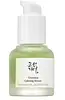
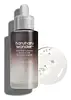
Beauty of Joseon Greentea Calming Serum Versus Haruharu Wonder Black Rice Hyaluronic Botanical 2GF Wonderful Ampoule

What's inside
What's inside
 Key Ingredients
Benefits
Ingredients Side-by-side
Camellia Sinensis Leaf Extract
Antimicrobial







Glycerin
Humectant

Butylene Glycol
Humectant
Panthenol
Skin Conditioning
Water
Skin ConditioningMethylpropanediol
SolventPentylene Glycol
Skin Conditioning
1,2-Hexanediol
Skin Conditioning
Betaine
Humectant
Carbomer
Emulsion StabilisingPhenoxyethanol
Preservative
Xanthan Gum
EmulsifyingZinc PCA
Humectant

Polyacrylate Crosspolymer-11
Emulsion StabilisingPolyacrylate Crosspolymer-6
Emulsion StabilisingTromethamine
BufferingDipotassium Glycyrrhizate
Humectant
Allantoin
Skin Conditioning
Polyquaternium-51
Skin Conditioning
Sodium Hyaluronate
Humectant
Melia Azadirachta Leaf Extract
Skin ConditioningGlyceryl Acrylate/Acrylic Acid Copolymer
HumectantEthylhexylglycerin
Skin ConditioningMelia Azadirachta Flower Extract
Skin ConditioningDextrin
AbsorbentTheobroma Cacao Extract
Skin ConditioningTocopherol
Antioxidant

Camellia Sinensis Leaf Extract, Glycerin, Butylene Glycol, Panthenol, Water, Methylpropanediol, Pentylene Glycol, 1,2-Hexanediol, Betaine, Carbomer, Phenoxyethanol, Xanthan Gum, Zinc PCA, Polyacrylate Crosspolymer-11, Polyacrylate Crosspolymer-6, Tromethamine, Dipotassium Glycyrrhizate, Allantoin, Polyquaternium-51, Sodium Hyaluronate, Melia Azadirachta Leaf Extract, Glyceryl Acrylate/Acrylic Acid Copolymer, Ethylhexylglycerin, Melia Azadirachta Flower Extract, Dextrin, Theobroma Cacao Extract, Tocopherol
Water
Skin ConditioningPentylene Glycol
Skin Conditioning
Propanediol
Solvent
Glycerin
Humectant
Oryza Sativa Extract
Absorbent
Butylene Glycol
Humectant
Ammonium Acryloyldimethyltaurate/Vp Copolymer
Zanthoxylum Piperitum Fruit Extract
Skin ConditioningPulsatilla Koreana Extract
Skin ConditioningUsnea Barbata Extract
Aspergillus Ferment
Skin ConditioningCyclodextrin
AbsorbentPanax Ginseng Root Extract
Emollient
Phyllostachys Pubescens Shoot Bark Extract
Skin ConditioningSodium Hyaluronate
Humectant
Xanthan Gum
EmulsifyingDipotassium Glycyrrhizate
Humectant
Adenosine
Skin Conditioning
Disodium EDTA
Mannitol
Humectant
Sodium Chloride
MaskingRice Sh-Oligopeptide-1
Skin Conditioning
Chlorella Vulgaris Extract
Skin ConditioningMadecassoside
Antioxidant
Disodium Phosphate
BufferingRice Sh-Polypeptide-1
Humectant
Cynanchum Atratum Extract
Skin ConditioningSodium Phosphate
BufferingPotassium Phosphate
BufferingPotassium Chloride
Water, Pentylene Glycol, Propanediol, Glycerin, Oryza Sativa Extract, Butylene Glycol, Ammonium Acryloyldimethyltaurate/Vp Copolymer, Zanthoxylum Piperitum Fruit Extract, Pulsatilla Koreana Extract, Usnea Barbata Extract, Aspergillus Ferment, Cyclodextrin, Panax Ginseng Root Extract, Phyllostachys Pubescens Shoot Bark Extract, Sodium Hyaluronate, Xanthan Gum, Dipotassium Glycyrrhizate, Adenosine, Disodium EDTA, Mannitol, Sodium Chloride, Rice Sh-Oligopeptide-1, Chlorella Vulgaris Extract, Madecassoside, Disodium Phosphate, Rice Sh-Polypeptide-1, Cynanchum Atratum Extract, Sodium Phosphate, Potassium Phosphate, Potassium Chloride
Reviews
Ingredients Explained
These ingredients are found in both products.
Ingredients higher up in an ingredient list are typically present in a larger amount.
Butylene Glycol (or BG) is used within cosmetic products for a few different reasons:
Overall, Butylene Glycol is a safe and well-rounded ingredient that works well with other ingredients.
Though this ingredient works well with most skin types, some people with sensitive skin may experience a reaction such as allergic rashes, closed comedones, or itchiness.
Learn more about Butylene GlycolDipotassium Glycyrrhizate comes from licorice root.
Extracts of licorice have demonstrated to have antibacterial, anti‐inflammatory, antiviral, antioxidant properties.
One component, glabridin, has extra potent antioxidant and soothing properties. It has also been found to block pigmentation from UVB rays in guinea pigs.
Licorice Root also contains a flavonoid. Flavonoids are a natural substance from in plants. Flavonoids also have antioxidant properties.
Another component, glycyrrhizin, has been found to have anti-inflammatory and antimicrobial benefits. This may make licorice root extract effective at treating acne. However, more research is needed to support this.
Liquiritin is one of the flavone compounds found in licorice. It has been found to help lighten skin by preventing tyrosinase from reacting with tyrosine. When the two react, protein is converted to melanin. Melanin is the substance in your body that gives your features pigmentation.
Licorice root is native to Southern Europe and Asia. It has been used in traditional Chinese medicine to help with respiratory issues.
Learn more about Dipotassium GlycyrrhizateGlycerin (or glycerol) is a compound naturally found in your skin. It's a powerhouse humectant that pulls water into the stratum corneum.
Topically, glycerin does several things at once:
Your skin makes glycerin on its own (mostly from sebaceous oil breakdown) and shuttles it to your outermost layer of skin, or your epidermis, via aquaporin-3.
Aquaporin-3 is a transporter that is essential for normal skin hydration, elasticity, and repair. Interestingly, mice lacking in AQP3 have dry and less elastic skin that can be fully corrected with glycerin.
This ingredient is non-irritating, plays well with almost every ingredient, and works across all skin types. Typical use is anywhere between 3-10% but can go up to 79% in some leave-on products.
Just know very high concentrations (>40%) can feel tacky in low humidity.
Glycerin is the name for this ingredient in American English. British English uses Glycerol/Glycerine.
Learn more about GlycerinPentylene glycol is typically used within a product to thicken it. It also adds a smooth, soft, and moisturizing feel to the product. It is naturally found in plants such as sugar beets.
The hydrophilic trait of Pentylene Glycol makes it a humectant. As a humectant, Pentylene Glycol helps draw moisture from the air to your skin. This can help keep your skin hydrated.
This property also makes Pentylene Glycol a great texture enhancer. It can also help thicken or stabilize a product.
Pentylene Glycol also acts as a mild preservative and helps to keep a product microbe-free.
Some people may experience mild eye and skin irritation from Pentylene Glycol. We always recommend speaking with a professional about using this ingredient in your routine.
Pentylene Glycol has a low molecular weight and is part of the 1,2-glycol family.
Learn more about Pentylene GlycolSodium Hyaluronate is the salt form of hyaluronic acid. It is a long sugar chain that is naturally found in your skin, joints, and connective tissue that maintains hydration and elasticity.
In skincare, it works as a humectant. It pulls water from the environment and deeper layers of skin and binds it to the surface.
Interestingly, the size of the molecule affects its behavior:
Some clinical evidence links low molecular weight versions to improved wrinkle depth, elasticity, anti-inflammatory effects, and barrier repair.
Many serums use a blend of both weights so you can get surface hydration plus longer-lasting and deeper effects.
You'll typically see concentrations between 0.1-2% for this ingredient.
Learn more about Sodium HyaluronateWater. It's the most common cosmetic ingredient of all. You'll usually see it at the top of ingredient lists, meaning that it makes up the largest part of the product.
So why is it so popular? Water most often acts as a solvent - this means that it helps dissolve other ingredients into the formulation.
You'll also recognize water as that liquid we all need to stay alive. If you see this, drink a glass of water. Remember to stay hydrated!
Learn more about WaterXanthan gum is used as a stabilizer and thickener within cosmetic products. It helps give products a sticky, thick feeling - preventing them from being too runny.
On the technical side of things, xanthan gum is a polysaccharide - a combination consisting of multiple sugar molecules bonded together.
Xanthan gum is a pretty common and great ingredient. It is a natural, non-toxic, non-irritating ingredient that is also commonly used in food products.
Learn more about Xanthan Gum
