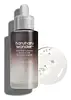
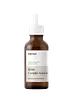
Haruharu Wonder Black Rice Hyaluronic Botanical 2GF Wonderful Ampoule Versus ma:nyo Bifida Complex Ampoule
This hydrating ampoule is formulated around Oryza Sativa Extract to hydrate skin and soften the look of wrinkles.
This barrier-repair ampoule is formulated around Bifida Ferment Lysate and Niacinamide to strengthen the skin barrier and soften the look of wrinkles.

What's inside
What's inside
 Key Ingredients
Benefits
Ingredients Side-by-side
Water
Skin ConditioningPentylene Glycol
Skin Conditioning
Propanediol
Solvent
Glycerin
Humectant
Oryza Sativa Extract
Absorbent


Butylene Glycol
Humectant
Ammonium Acryloyldimethyltaurate/Vp Copolymer
1,2-Hexanediol
Skin Conditioning
Zanthoxylum Piperitum Fruit Extract
Skin ConditioningPulsatilla Koreana Extract
Skin ConditioningUsnea Barbata Extract
Aspergillus Ferment
Skin ConditioningCyclodextrin
AbsorbentPanax Ginseng Root Extract
Emollient
Phyllostachys Pubescens Shoot Bark Extract
Skin ConditioningSodium Hyaluronate
Humectant
Xanthan Gum
EmulsifyingDipotassium Glycyrrhizate
Humectant
Adenosine
Skin Conditioning
Disodium EDTA
Mannitol
Humectant
Sodium Chloride
MaskingRice Sh-Oligopeptide-1
Skin Conditioning
Chlorella Vulgaris Extract
Skin ConditioningMadecassoside
Antioxidant

Disodium Phosphate
BufferingRice Sh-Polypeptide-1
Humectant
Cynanchum Atratum Extract
Skin ConditioningSodium Phosphate
BufferingPotassium Phosphate
BufferingPotassium Chloride
Water, Pentylene Glycol, Propanediol, Glycerin, Oryza Sativa Extract, Butylene Glycol, Ammonium Acryloyldimethyltaurate/Vp Copolymer, 1,2-Hexanediol, Zanthoxylum Piperitum Fruit Extract, Pulsatilla Koreana Extract, Usnea Barbata Extract, Aspergillus Ferment, Cyclodextrin, Panax Ginseng Root Extract, Phyllostachys Pubescens Shoot Bark Extract, Sodium Hyaluronate, Xanthan Gum, Dipotassium Glycyrrhizate, Adenosine, Disodium EDTA, Mannitol, Sodium Chloride, Rice Sh-Oligopeptide-1, Chlorella Vulgaris Extract, Madecassoside, Disodium Phosphate, Rice Sh-Polypeptide-1, Cynanchum Atratum Extract, Sodium Phosphate, Potassium Phosphate, Potassium Chloride
Bifida Ferment Lysate 60%
Skin Conditioning
Lactobacillus/Pumpkin Fruit Ferment Filtrate 30.1%
Skin ConditioningNiacinamide
Smoothing




Butylene Glycol
Humectant
Acetyl Hexapeptide-8
Humectant
Aureobasidium Pullulans Ferment
Skin ConditioningHydrolyzed Algin
Caffeine
Skin Conditioning
Panax Ginseng Root Extract
Emollient
Panax Ginseng Callus Culture Extract
Skin ConditioningGlycerin
Humectant
Epigallocatechin Gallate
Antioxidant
Zanthoxylum Piperitum Fruit Extract
Skin ConditioningPulsatilla Koreana Extract
Skin ConditioningUsnea Barbata Extract
Copper Tripeptide-1
Skin Conditioning
Physalis Alkekengi Fruit Extract
Skin ConditioningMethyl Gluceth-20
Humectant
Sodium Hyaluronate
Humectant
Adenosine
Skin Conditioning
Bifida Ferment Lysate 60%, Lactobacillus/Pumpkin Fruit Ferment Filtrate 30.1%, Niacinamide, Butylene Glycol, Acetyl Hexapeptide-8, Aureobasidium Pullulans Ferment, Hydrolyzed Algin, Caffeine, Panax Ginseng Root Extract, Panax Ginseng Callus Culture Extract, Glycerin, Epigallocatechin Gallate, Zanthoxylum Piperitum Fruit Extract, Pulsatilla Koreana Extract, Usnea Barbata Extract, Copper Tripeptide-1, Physalis Alkekengi Fruit Extract, Methyl Gluceth-20, Sodium Hyaluronate, Adenosine
Reviews
Ingredients Explained
These ingredients are found in both products.
Ingredients higher up in an ingredient list are typically present in a larger amount.
Adenosine is a purine nucleoside that your body already makes in every cell. In skincare, it acts mainly as a skin conditioning and anti-aging agent.
The way it works is fairly well mapped out:
Your skin has cells called fibroblasts that build collagen (the stuff that keeps skin firm and smooth). Adenosine basically flips a switch on these cells that tells them to get to work making more collagen and other proteins. These cells slow down on their own as skin ages, so Adenosine helps give them a little nudge to keep going.
The clinical backing is pretty solid too.
A blind, randomized, placebo-controlled trial of 126 women aged 45-65 tested a 0.1% cream twice daily and found real improvements in crow's feet and frown lines using a precise 3D skin-mapping technique; these changes showed up by week 3 and held at 2 months.
A later study using Adenosine-loaded dissolving microneedle patches reported gains in wrinkle depth, dermal density, elasticity, and hydration.
On concentrations, South Korea's Ministry of Food and Drug Safety has set 0.04% as the approved functional anti-wrinkle level. You'll typically see this ingredient used somewhere in the 0.04-0.1% range since it works at low doses.
This ingredient has been found safe for cosmetics with the data showing no irritation or sensitization.
Overall, this is a great ingredient for any anti-aging routine and has no photosensitizing effect, so it suits both AM and PM use.
Learn more about AdenosineButylene Glycol (or BG) is used within cosmetic products for a few different reasons:
Overall, Butylene Glycol is a safe and well-rounded ingredient that works well with other ingredients.
Though this ingredient works well with most skin types, some people with sensitive skin may experience a reaction such as allergic rashes, closed comedones, or itchiness.
Learn more about Butylene GlycolGlycerin (or glycerol) is a compound naturally found in your skin. It's a powerhouse humectant that pulls water into the stratum corneum.
Topically, glycerin does several things at once:
Your skin makes glycerin on its own (mostly from sebaceous oil breakdown) and shuttles it to your outermost layer of skin, or your epidermis, via aquaporin-3.
Aquaporin-3 is a transporter that is essential for normal skin hydration, elasticity, and repair. Interestingly, mice lacking in AQP3 have dry and less elastic skin that can be fully corrected with glycerin.
This ingredient is non-irritating, plays well with almost every ingredient, and works across all skin types. Typical use is anywhere between 3-10% but can go up to 79% in some leave-on products.
Just know very high concentrations (>40%) can feel tacky in low humidity.
Glycerin is the name for this ingredient in American English. British English uses Glycerol/Glycerine.
Learn more about GlycerinGinseng root is a well-loved ingredient in Asian skincare for good reason. It hydrates the skin, soothes irritation, and helps even out skin tone.
In traditional East Asian medicine, ginseng has been used for centuries both as food and as a healing remedy, and modern research continues to confirm its skin benefits.
One of the standout features of ginseng is its ability to improve blood circulation and oxygen delivery to the skin, bringing a fresh supply of nutrients to support overall skin health. It also has antioxidant and anti-inflammatory properties. This helps to protect your skin against damage from UV exposure, pollution, and daily stress.
Additionally, studies suggest that ginseng may help reduce hyperpigmentation by inhibiting tyrosinase, the enzyme involved in melanin production.
There are different types of ginseng used in skincare, and while they all share core benefits, their potency can vary.
Most products use fresh or white ginseng because it’s more affordable. However, red ginseng, produced by steaming the root, contains higher levels of ginsenosides, which are compounds with proven anti-aging effects. These ginsenosides help reduce the appearance of wrinkles and improve skin elasticity.
Note: All forms of ginseng are listed simply as “Panax ginseng” in ingredient lists. We recommend reaching out to the brand if you have questions about which type of ginseng is used in their ingredients.
For general antioxidant benefits, any ginseng extract will do, but for wrinkle care or firmer skin, red or fermented ginseng is often more effective.
In short, ginseng is a powerhouse ingredient that supports hydration, radiance, and resilience.
Learn more about Panax Ginseng Root ExtractPulsatilla Koreana Extract comes from the Korean pasque flower. This flower is used in traditional Korean medicine.
Sodium Hyaluronate is the salt form of hyaluronic acid. It is a long sugar chain that is naturally found in your skin, joints, and connective tissue that maintains hydration and elasticity.
In skincare, it works as a humectant. It pulls water from the environment and deeper layers of skin and binds it to the surface.
Interestingly, the size of the molecule affects its behavior:
Some clinical evidence links low molecular weight versions to improved wrinkle depth, elasticity, anti-inflammatory effects, and barrier repair.
Many serums use a blend of both weights so you can get surface hydration plus longer-lasting and deeper effects.
You'll typically see concentrations between 0.1-2% for this ingredient.
Learn more about Sodium HyaluronateWe don't have a description for Usnea Barbata Extract yet.
Zanthoxylum Piperitum Fruit Extract comes from the Japanese Pepper, also known as the Prickly Ash. This plant is native to the Korean peninsula and Japan.
The pepper has antioxidant properties. It may help reduce the signs of aging.
For those with fragrance sensitivities, Zanthoxylum Piperitum Fruit Extract contains limonene.
If you have concerns, we recommend speaking with a professional about using this ingredient.
The Japanese Pepper is related to the Sichuan Pepper.
Learn more about Zanthoxylum Piperitum Fruit Extract

