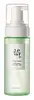
This smoothing toner is formulated around Glycolic Acid to refine skin texture and brighten dull-looking skin.
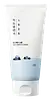
This mild gel cleanser is made to cleanse without leaving your skin tight or dry.

What's inside
What's inside
 Key Ingredients
Benefits
Concerns
Ingredients Side-by-side
Water
Skin ConditioningPrunus Mume Fruit Water
HumectantGlycolic Acid
Buffering











Dipropylene Glycol
Humectant1,2-Hexanediol
Skin Conditioning
Pentylene Glycol
Skin Conditioning
Chlorella Vulgaris Extract
Skin ConditioningPortulaca Oleracea Extract
Skin Conditioning

Chondrus Crispus Extract
Skin Conditioning
Saccharum Officinarum Extract
MoisturisingOryza Sativa Bran Water
Masking
Honey Extract
Humectant
Panax Ginseng Root Extract
Emollient
Polygonum Cuspidatum Root Extract
Antioxidant
Glycerin
Humectant
Propanediol
Solvent
Tromethamine
BufferingSodium PCA
Humectant
Glucose
Humectant
C12-14 Pareth-12
EmulsifyingButylene Glycol
Humectant
Fructooligosaccharides
Humectant
Fructose
Humectant
Caprylyl Glycol
Emollient
Ethylhexylglycerin
Skin ConditioningSodium Phytate
ChelatingTocopherol
Antioxidant
Ethyl Hexanediol
SolventWater, Prunus Mume Fruit Water, Glycolic Acid, Dipropylene Glycol, 1,2-Hexanediol, Pentylene Glycol, Chlorella Vulgaris Extract, Portulaca Oleracea Extract, Chondrus Crispus Extract, Saccharum Officinarum Extract, Oryza Sativa Bran Water, Honey Extract, Panax Ginseng Root Extract, Polygonum Cuspidatum Root Extract, Glycerin, Propanediol, Tromethamine, Sodium PCA, Glucose, C12-14 Pareth-12, Butylene Glycol, Fructooligosaccharides, Fructose, Caprylyl Glycol, Ethylhexylglycerin, Sodium Phytate, Tocopherol, Ethyl Hexanediol
Water
Skin ConditioningSodium Cocoyl Isethionate
Cleansing
Glycerin
Humectant
Sodium Methyl Cocoyl Taurate
Cleansing
Coco-Betaine
Cleansing
Potassium Cocoyl Glycinate
Surfactant
Potassium Benzoate
Preservative
Sodium Chloride
MaskingPolyquaternium-67
Potassium Cocoate
Emulsifying

Citric Acid
Buffering
Fructooligosaccharides
Humectant
Saccharide Hydrolysate
HumectantDisodium EDTA
ChelatingPullulan
1,2-Hexanediol
Skin Conditioning
Allantoin
Skin Conditioning
Panthenol
Skin Conditioning
Sea Water
HumectantSodium Acetate
BufferingButylene Glycol
Humectant
Chamomilla Recutita Flower Oil
Masking
Caprylic/Capric Triglyceride
Masking
Beta-Glucan
Skin Conditioning
Phosphatidylcholine
EmulsifyingHyaluronic Acid
Humectant
Ethylhexylglycerin
Skin ConditioningCeramide NP
Skin Conditioning
Glycine
Buffering
Hydrolyzed Hyaluronic Acid
Humectant
Glutamic Acid
Humectant
Serine
Masking
Sodium Hyaluronate
Humectant
Lysine
Skin ConditioningAlanine
Masking
Arginine
Masking
Threonine
Proline
Skin Conditioning
Water, Sodium Cocoyl Isethionate, Glycerin, Sodium Methyl Cocoyl Taurate, Coco-Betaine, Potassium Cocoyl Glycinate, Potassium Benzoate, Sodium Chloride, Polyquaternium-67, Potassium Cocoate, Citric Acid, Fructooligosaccharides, Saccharide Hydrolysate, Disodium EDTA, Pullulan, 1,2-Hexanediol, Allantoin, Panthenol, Sea Water, Sodium Acetate, Butylene Glycol, Chamomilla Recutita Flower Oil, Caprylic/Capric Triglyceride, Beta-Glucan, Phosphatidylcholine, Hyaluronic Acid, Ethylhexylglycerin, Ceramide NP, Glycine, Hydrolyzed Hyaluronic Acid, Glutamic Acid, Serine, Sodium Hyaluronate, Lysine, Alanine, Arginine, Threonine, Proline
Reviews
Ingredients Explained
These ingredients are found in both products.
Ingredients higher up in an ingredient list are typically present in a larger amount.
1,2-Hexanediol is a synthetic liquid and another multi-functional powerhouse.
It is a:
- Humectant, drawing moisture into the skin
- Emollient, helping to soften skin
- Solvent, dispersing and stabilizing formulas
- Preservative booster, enhancing the antimicrobial activity of other preservatives
Butylene Glycol (or BG) is used within cosmetic products for a few different reasons:
Overall, Butylene Glycol is a safe and well-rounded ingredient that works well with other ingredients.
Though this ingredient works well with most skin types, some people with sensitive skin may experience a reaction such as allergic rashes, closed comedones, or itchiness.
Learn more about Butylene GlycolEthylhexylglycerin is created from glycerin. It is a multitasker ingredient that:
The CIR Expert Panel found minimal skin absorption or sensitization of any kind in a safety assessment. Though this ingredient is considered well-tolerated, a small number of cases of allergic dermatitis have been published since 2002. Just be sure to patch test if you are unsure.
Industry-reported use ranges from 8% in rinse-off products and 2% in leave-on formulations.
Learn more about EthylhexylglycerinFructooligosaccharides (FOS) are a type of prebiotic sugar with humectant and skin conditioning properties. As a humectant, they help attract and hold moisture in the skin.
FOS essentially acts as a food source for the "good" bacteria on your skin and make it harder for "bad" bacteria to thrive. A 2022 study using a reconstructured human skin model found that just 1% of FOS was enough to shift the bacteria balance in favor of beneficial species. This suggests it could help support a healthier skin microbiome over time.
This ingredient has a low sensitization risk and testing shows it does not classify as a skin irritant or sensitizer.
FOS are usually produced from sugar beets and can also be found in foods like bananas, garlic, and onions.
Learn more about FructooligosaccharidesGlycerin (or glycerol) is a compound naturally found in your skin. It's a powerhouse humectant that pulls water into the stratum corneum.
Topically, glycerin does several things at once:
Your skin makes glycerin on its own (mostly from sebaceous oil breakdown) and shuttles it to your outermost layer of skin, or your epidermis, via aquaporin-3.
Aquaporin-3 is a transporter that is essential for normal skin hydration, elasticity, and repair. Interestingly, mice lacking in AQP3 have dry and less elastic skin that can be fully corrected with glycerin.
This ingredient is non-irritating, plays well with almost every ingredient, and works across all skin types. Typical use is anywhere between 3-10% but can go up to 79% in some leave-on products.
Just know very high concentrations (>40%) can feel tacky in low humidity.
Glycerin is the name for this ingredient in American English. British English uses Glycerol/Glycerine.
Learn more about GlycerinWater. It's the most common cosmetic ingredient of all. You'll usually see it at the top of ingredient lists, meaning that it makes up the largest part of the product.
So why is it so popular? Water most often acts as a solvent - this means that it helps dissolve other ingredients into the formulation.
You'll also recognize water as that liquid we all need to stay alive. If you see this, drink a glass of water. Remember to stay hydrated!
Learn more about Water

