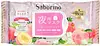
This hydrating sheet mask is formulated around Ascorbyl Glucoside and Allantoin to hydrate skin and brighten dull-looking skin.
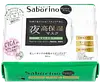
This brightening sheet mask is formulated around Ascorbyl Glucoside and Anthemis Nobilis Flower Extract to brighten dull-looking skin.

What's inside
What's inside
 Key Ingredients
Benefits
Concerns
Ingredients Side-by-side
Water
Skin ConditioningGlycerin
Humectant


Isopentyldiol
Humectant
Diglycerin
Humectant
PPG-14 Polyglyceryl-2 Ether
EmulsifyingAscorbyl Glucoside
Antioxidant



Allantoin
Skin Conditioning

Aloe Barbadensis Leaf Extract
Emollient
Perilla Ocymoides Leaf Extract
TonicCitrus Limon Fruit Extract
Masking
Honey
Humectant
Sodium Hyaluronate
Humectant
Polyquaternium-61
Skin ConditioningFlower Extract
Morus Alba Bark Extract
Skin ConditioningPrunus Persica Leaf Extract
Emollient
Soluble Collagen
Humectant
Polyglyceryl-10 Eicosanedioate/Tetradecanedioate
Skin ConditioningButylene Glycol
Humectant
PEG-60 Hydrogenated Castor Oil
Emulsifying


Xanthan Gum
EmulsifyingCitric Acid
Buffering
Sodium Citrate
BufferingPEG-7 Glyceryl Cocoate
Emulsifying


Tocopherol
Antioxidant

Phenoxyethanol
Preservative
Ethylparaben
Preservative

Methylparaben
Preservative
Parfum
Masking

Water, Glycerin, Isopentyldiol, Diglycerin, PPG-14 Polyglyceryl-2 Ether, Ascorbyl Glucoside, Allantoin, Aloe Barbadensis Leaf Extract, Perilla Ocymoides Leaf Extract, Citrus Limon Fruit Extract, Honey, Sodium Hyaluronate, Polyquaternium-61, Flower Extract, Morus Alba Bark Extract, Prunus Persica Leaf Extract, Soluble Collagen, Polyglyceryl-10 Eicosanedioate/Tetradecanedioate, Butylene Glycol, PEG-60 Hydrogenated Castor Oil, Xanthan Gum, Citric Acid, Sodium Citrate, PEG-7 Glyceryl Cocoate, Tocopherol, Phenoxyethanol, Ethylparaben, Methylparaben, Parfum
Water
Skin ConditioningGlycerin
Humectant
Isopentyldiol
Humectant
Diglycerin
Humectant
PPG-14 Polyglyceryl-2 Ether
EmulsifyingAscorbyl Glucoside
Antioxidant
Anthemis Nobilis Flower Extract
Masking
Salix Alba Bark Extract
Astringent
Rosa Alba Leaf/Stem Extract
HumectantTocopherol
Antioxidant
Sodium Hyaluronate
Humectant
Vitis Vinifera Fruit Extract
Skin ConditioningPlacental Extract
Betaine
Humectant
Polyquaternium-61
Skin ConditioningSodium Ascorbyl Phosphate
Antioxidant

Royal Jelly Extract
Skin Conditioning
Tocopheryl Acetate
Antioxidant
Soluble Collagen
Humectant
Polyglyceryl-10 Eicosanedioate/Tetradecanedioate
Skin ConditioningStyrene/Acrylates Copolymer
Butylene Glycol
Humectant
Dipropylene Glycol
HumectantPEG/PPG/Polybutylene Glycol-8/5/3 Glycerin
HumectantPEG-100 Hydrogenated Castor Oil
Emulsifying
PEG-60 Hydrogenated Castor Oil
Emulsifying
Xanthan Gum
EmulsifyingCitric Acid
Buffering
Sodium Citrate
BufferingCholesterol
Emollient
Dihydrocholeth-20
EmulsifyingTriethylhexanoin
MaskingMalic Acid
Buffering
Isostearic Acid
Cleansing
Hydrogenated Lecithin
Emulsifying
Phenoxyethanol
Preservative
Ethylparaben
Preservative
Methylparaben
Preservative
Water, Glycerin, Isopentyldiol, Diglycerin, PPG-14 Polyglyceryl-2 Ether, Ascorbyl Glucoside, Anthemis Nobilis Flower Extract, Salix Alba Bark Extract, Rosa Alba Leaf/Stem Extract, Tocopherol, Sodium Hyaluronate, Vitis Vinifera Fruit Extract, Placental Extract, Betaine, Polyquaternium-61, Sodium Ascorbyl Phosphate, Royal Jelly Extract, Tocopheryl Acetate, Soluble Collagen, Polyglyceryl-10 Eicosanedioate/Tetradecanedioate, Styrene/Acrylates Copolymer, Butylene Glycol, Dipropylene Glycol, PEG/PPG/Polybutylene Glycol-8/5/3 Glycerin, PEG-100 Hydrogenated Castor Oil, PEG-60 Hydrogenated Castor Oil, Xanthan Gum, Citric Acid, Sodium Citrate, Cholesterol, Dihydrocholeth-20, Triethylhexanoin, Malic Acid, Isostearic Acid, Hydrogenated Lecithin, Phenoxyethanol, Ethylparaben, Methylparaben
Ingredients Explained
These ingredients are found in both products.
Ingredients higher up in an ingredient list are typically present in a larger amount.
Ascorbyl Glucoside (AA-2G) is one of the most stable vitamin C derivatives out there.
It's made by attaching a glucose molecule to ascorbic acid; this glucose "cap" shields the vitamin C from air, light, heat, and metal ions that normally cause pure ascorbic acid to oxidize.
Once on your skin, the enzyme alpha-glucosidase snips off the glucose and gradually releases active ascorbic acid right where it's needed. Basically, it behaves like a slow-release pro-vitamin C with less of a stinging that high-strength ascorbic acid can cause.
The research supports the classic vitamin C benefits as well. In lab and human studies, AA-2G slowed down the skin's production of melanin (the pigment behind dark spots) and helped shield skin cells against sun damage better than ascorbyl phosphate.
These studies also showed AA-2G released vitamin C over a longer period.
A frequently cited manufacturer trial found that a 2% AA-2G face cream significantly improved wrinkle depth and skin roughness after 45 days.
And in 2009, a clinical trial showed it meaningfully lightened dark patches on the gums compared to a placebo.
There's also collagen-synthesis support (since vitamin C is a required cofactor for that) and an antioxidant effect too.
Typical usage is usually between 0.5-5% and most studies/products land around 2%.
AA-2G performs best when formulated at a mildly acidic pH (~5-7) which is much gentler than the pH that pure vitamin C demands (~2.5-3.5).
Just one thing worth knowing: the in-skin conversation rate is only about 55-60% by weight. So a 5% AA-2G product delivers roughly 2.75-3% of actual active vitamin C. On top of that, skin absorption is relatively low because the ingredient is water-soluble.
Learn more about Ascorbyl GlucosideButylene Glycol (or BG) is used within cosmetic products for a few different reasons:
Overall, Butylene Glycol is a safe and well-rounded ingredient that works well with other ingredients.
Though this ingredient works well with most skin types, some people with sensitive skin may experience a reaction such as allergic rashes, closed comedones, or itchiness.
Learn more about Butylene GlycolCitric Acid is an alpha hydroxy acid (AHA) naturally found in citrus fruits like oranges, lemons, and limes.
Like other AHAs, citric acid can exfoliate skin by breaking down the bonds that hold dead skin cells together. This helps reveal smoother and brighter skin underneath.
However, this exfoliating effect only happens at high concentrations (20%) which can be hard to find in cosmetic products.
Due to this, citric acid is usually included in small amounts as a pH adjuster. This helps keep products slightly more acidic and compatible with skin's natural pH.
In skincare formulas, citric acid can:
While it can provide some skin benefits, research shows lactic acid and glycolic acid are generally more effective and less irritating exfoliants.
Most citric acid used in skincare today is made by fermenting sugars (usually from molasses). This synthetic version is identical to the natural citrus form but easier to stabilize and use in formulations.
Rosacea skin has a lower threshold for acids generally, with 62.5% of rosacea subjects in one study reacting to lactic acid in a sting test. This is why we mark citric acid as a potential rosacea trigger.
However, this ingredient shows up as a pH adjuster or chelator at roughly 0.1-1% in many products. These low levels are unlikely to be an issue for rosacea skin and becomes a potential trigger at exfoliating concentrations (20%). Because everybody's skin is unique, we recommend a patch test if you are unsure.
Learn more about Citric AcidDiglycerin is a humectant. It is derived from glycerin, which is naturally found in your skin.
As a humectant, it helps draw moisture to the skin from the air.
Ethylparaben is a preservative, is a paraben, and is not reef safe.
Glycerin (or glycerol) is a compound naturally found in your skin. It's a powerhouse humectant that pulls water into the stratum corneum.
Topically, glycerin does several things at once:
Your skin makes glycerin on its own (mostly from sebaceous oil breakdown) and shuttles it to your outermost layer of skin, or your epidermis, via aquaporin-3.
Aquaporin-3 is a transporter that is essential for normal skin hydration, elasticity, and repair. Interestingly, mice lacking in AQP3 have dry and less elastic skin that can be fully corrected with glycerin.
This ingredient is non-irritating, plays well with almost every ingredient, and works across all skin types. Typical use is anywhere between 3-10% but can go up to 79% in some leave-on products.
Just know very high concentrations (>40%) can feel tacky in low humidity.
Glycerin is the name for this ingredient in American English. British English uses Glycerol/Glycerine.
Learn more about GlycerinIsopentyldiol is a synthetic solvent, humectant, and emollient.
Humectants have the ability to attract and hold water while emollients create a thin film to prevent water from evaporating. This combination keeps your skin and hair soft and hydrated. Plus, isopentyldiol does not leave a sticky feeling behind.
As a surfactant, isopentyldiol is a hydrotrope. Hydrotropes help surfactants (cleansing agents) dissolve into water.
According to the manufacturer, using this ingredient with sorbitol boosts skin hydration and helps close cuticles of damaged hair.
This ingredient is water-soluble.
Learn more about IsopentyldiolMethylparaben is a synthetic preservative and one of the most widely used in the world. It has a simple, but important job: prevent your products from going bad by stopping bacteria, yeast, and mold from growing.
Typical use levels are low, often 0.1-0.3%.
This is also one of the most heavily studied preservatives out there and major regulatory bodies have repeatedly given it the green light.
In 2023, the EU's Scientific Committee on Consumer Safety (SCCS) confirmed that this ingredient is safe up to 0.4% on its own, of up to 0.8% when mixed with other paraben esters.
Here's the science behind the noise behind parabens/hormones as well:
Methylparaben shows very weak estrogen-like activity in vitro tests (more than 1,000x weaker than your body's own estradiol). In vivo (live-organism) studies don't support a meaningful endocrine-disrupting effect either.
You get a stronger estrogenic effect from eating tofu, actually.
It's also a low sensitizer and allergic reactions are uncommon; they usually happen on damage or broken skin.
There is a caveat: France has proposed to formally re-examine its endocrine classification in 2025 so the regulatory conversation isn't fully closed as of yet.
But as it stands today, this ingredient is considered safe at permitted levels.
Learn more about MethylparabenPeg-60 Hydrogenated Castor Oil comes from hydrogenated castor oil. It is a solubilizer and emulsifier.
As a solubilizer, it helps dissolve ingredients into a water-based version. It is also an emulsifer. Emulsifier help prevent oils and water from separating. Both these properties help create evenly-spread and uniform products.
Basically, Peg-60 Hydrogenated Castor Oil helps hold ingredients together.
Learn more about PEG-60 Hydrogenated Castor OilPhenoxyethanol is one of the most widely used preservatives in skincare (and for good reason!).
It has a large spectrum of antimicrobial activity and especially effective bacteria, yeast, and mold while only having a weak effect on your skin's natural microbiome.
On a cellular level, it disrupts the cell membranes of microbes by poking holes that make the cell leak. This shuts down the chemical reactions the microbe needs to make energy so it can no longer survive.
Another perk of this ingredient is that it stays functional across a wide pH range (3-10).
You'll often see it paired with boosters like Ethylhexylglycerin; one study showed that a 1:9 ratio of Ethylhexylglycerin to Phenoxyethanol damages bacterial membranes as effectively as doubling the Phenoxyethanol concentration on its own.
Typical use concentrations range from 0.3-1% depending on the formula, and this ingredient is capped at 1% int the EU.
Safety-wise, the fear mongering does not hold up to the evidence. The EU's Scientific Committee on Consumer Safety and FDA consider it safe as a preservative at up to 1%, including for children of all ages.
Adverse systemic effects only showed up in animal studies at exposures roughly 200x higher than what people get from cosmetics. And despite its very widespread use, this ingredient is a rare sensitizer and allergic reactions are uncommon.
Learn more about PhenoxyethanolWe don't have a description for Polyglyceryl-10 Eicosanedioate/Tetradecanedioate yet.
We don't have a description for Polyquaternium-61 yet.
We don't have a description for PPG-14 Polyglyceryl-2 Ether yet.
Sodium Citrate is the sodium salts of citric acid. In skincare, it is used to alter pH levels and acts as a preservative.
Its main functions are to maintain the pH of a product and neutralize metal ions.
The acidity of our skin is maintained by our glands and skin biome; normal pH level of skin is slightly acidic (~4.75-5.5).
Being slightly acidic allows our skin to create an "acid mantle". This acid mantle is a thin barrier that protects our skin from bacteria and contaminants.
Learn more about Sodium CitrateSodium Hyaluronate is the salt form of hyaluronic acid. It is a long sugar chain that is naturally found in your skin, joints, and connective tissue that maintains hydration and elasticity.
In skincare, it works as a humectant. It pulls water from the environment and deeper layers of skin and binds it to the surface.
Interestingly, the size of the molecule affects its behavior:
Some clinical evidence links low molecular weight versions to improved wrinkle depth, elasticity, anti-inflammatory effects, and barrier repair.
Many serums use a blend of both weights so you can get surface hydration plus longer-lasting and deeper effects.
You'll typically see concentrations between 0.1-2% for this ingredient.
Learn more about Sodium HyaluronateSoluble collagen is a large, water-loving protein typically extracted from cattle hides or marine sources like fish skin.
In cosmetics, it works purely as a humectant and film-former.
Despite the marketing that surrounds the word "collagen", its molecule is far too large to penetrate skin so it can't rebuild the collagen in your dermis.
Instead, it sits on the surface and binds water to help reduce transepidermal water loss and leave skin feeling soft, plump, and temporarily tightened.
Suppliers commonly recommend using it around 3-6% though industry data shows concentrations are often much lower (down to a fraction of a percent).
This ingredient has been found safe to use in cosmetics with no reported irritation, sensitization, or phototoxicity.
Learn more about Soluble CollagenTocopherol is a fat-soluble antioxidant known as Vitamin E.
You'll find this ingredient in the vast majority of skincare (for good reason). It works to neutralize free radicals, or unstable molecules generated by UV exposure, pollution, and other environmental stressors, before they can cause oxidative damage to your skin cells.
Topically applied tocopherol has been shown to protect against UV damage by ramping up the skin's own natural defense enzymes.
It also acts as a skin conditioning agent; some studies show that regular topical use can improve the skin's water-binding capacity over 2-4 weeks.
This ingredient is especially loved for being a team player. When combined with Vitamin C, the photoprotective effect of both ingredients roughly doubles and the combo also helps reduce UV-induced DNA damage.
This ingredient has some brightening potential but it's more of a prevention ingredient than spot-fader. Cell studies show it can slow down melanin production but it's worth noting that it's not the most powerful brightener out there.
In formulations, it also serves as a stabilizer that helps protect other oxidation-prone ingredients from degrading.
Concentrations usually range from 0.1-1% in most leave-on products.
Learn more about TocopherolWater. It's the most common cosmetic ingredient of all. You'll usually see it at the top of ingredient lists, meaning that it makes up the largest part of the product.
So why is it so popular? Water most often acts as a solvent - this means that it helps dissolve other ingredients into the formulation.
You'll also recognize water as that liquid we all need to stay alive. If you see this, drink a glass of water. Remember to stay hydrated!
Learn more about WaterXanthan gum is used as a stabilizer and thickener within cosmetic products. It helps give products a sticky, thick feeling - preventing them from being too runny.
On the technical side of things, xanthan gum is a polysaccharide - a combination consisting of multiple sugar molecules bonded together.
Xanthan gum is a pretty common and great ingredient. It is a natural, non-toxic, non-irritating ingredient that is also commonly used in food products.
Learn more about Xanthan Gum

