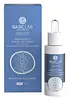
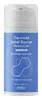
BasicLab Nawilżający Emu-żel Do Twarzy Z 4% Ektoiną Versus PURITO Dermide Relief Barrier Moisturizer
This barrier-repair moisturizer is formulated around Ectoin and Saccharomyces/Rice Ferment Filtrate to strengthen the skin barrier and hydrate skin.
This barrier-repair moisturizer is formulated around Ceramide NP and Allantoin to strengthen the skin barrier and calm redness.


What's inside
What's inside
 Key Ingredients
Benefits
Concerns
Ingredients Side-by-side
Water
Skin ConditioningSaccharomyces/Rice Ferment Filtrate
Skin Conditioning


Propanediol
Solvent
Ectoin
Skin Conditioning




Pentylene Glycol
Skin Conditioning
Tripelargonin
EmollientPolyglyceryl-6 Stearate
Emollient
Gluconolactone
Chelating





Arginine
Masking
Serine
Masking
Beta-Glucan
Skin Conditioning
Ceramide Ns
Skin Conditioning
Cholesterol
Emollient
Alpha-Glucan Oligosaccharide
Cleansing
Hydrolyzed Hyaluronic Acid
Humectant
Hydrolyzed Sodium Hyaluronate
Skin Conditioning
Inulin
Skin Conditioning
Trehalose
Humectant
Calcium Gluconate
HumectantGlycerin
Humectant
Hydrogenated Lecithin
Emulsifying
Xanthan Gum
EmulsifyingOctyldodecanol
Emollient
Polyglyceryl-6 Behenate
Emulsion Stabilising
Hydroxyacetophenone
Antioxidant
Sodium Benzoate
Masking
Water, Saccharomyces/Rice Ferment Filtrate, Propanediol, Ectoin, Pentylene Glycol, Tripelargonin, Polyglyceryl-6 Stearate, Gluconolactone, Arginine, Serine, Beta-Glucan, Ceramide Ns, Cholesterol, Alpha-Glucan Oligosaccharide, Hydrolyzed Hyaluronic Acid, Hydrolyzed Sodium Hyaluronate, Inulin, Trehalose, Calcium Gluconate, Glycerin, Hydrogenated Lecithin, Xanthan Gum, Octyldodecanol, Polyglyceryl-6 Behenate, Hydroxyacetophenone, Sodium Benzoate
Water
Skin ConditioningPropanediol
Solvent
Glycerin
Humectant
Caprylic/Capric Triglyceride
Masking
Hydrogenated Poly(C6-14 Olefin)
EmollientBehenyl Alcohol
Emollient
Limnanthes Alba Seed Oil
Skin Conditioning
Polyglyceryl-6 Stearate
Emollient
1,2-Hexanediol
Skin Conditioning
Cetyl Alcohol
Emollient
Candida/Garcinia Cambogia Ferment
Ceramide NP
Skin Conditioning
Glyceryl Stearate
Emollient
Ammonium Acryloyldimethyltaurate/Vp Copolymer
Polyglyceryl-6 Behenate
Emulsion Stabilising
Allantoin
Skin Conditioning
Squalane
Emollient
Caprylyl Glycol
Emollient
Panthenol
Skin Conditioning
Macadamia Ternifolia Seed Oil
Emollient
Xanthan Gum
EmulsifyingButyrospermum Parkii Butter
Skin Conditioning


Ethylhexylglycerin
Skin ConditioningDisodium EDTA
ChelatingDipropylene Glycol
HumectantHydrogenated Lecithin
Emulsifying
Ceramide Ns
Skin Conditioning
Ceramide As
Skin Conditioning
Ceramide AP
Skin Conditioning
Cholesterol
Emollient
Ceramide EOP
Skin Conditioning
Water, Propanediol, Glycerin, Caprylic/Capric Triglyceride, Hydrogenated Poly(C6-14 Olefin), Behenyl Alcohol, Limnanthes Alba Seed Oil, Polyglyceryl-6 Stearate, 1,2-Hexanediol, Cetyl Alcohol, Candida/Garcinia Cambogia Ferment, Ceramide NP, Glyceryl Stearate, Ammonium Acryloyldimethyltaurate/Vp Copolymer, Polyglyceryl-6 Behenate, Allantoin, Squalane, Caprylyl Glycol, Panthenol, Macadamia Ternifolia Seed Oil, Xanthan Gum, Butyrospermum Parkii Butter, Ethylhexylglycerin, Disodium EDTA, Dipropylene Glycol, Hydrogenated Lecithin, Ceramide Ns, Ceramide As, Ceramide AP, Cholesterol, Ceramide EOP
Reviews
Ingredients Explained
These ingredients are found in both products.
Ingredients higher up in an ingredient list are typically present in a larger amount.
Ceramide NS is formally known as Ceramide 2. It is one of the major ceramides in the stratum corneum (outermost layer of skin) plays a role in forming a protective barrier.
Due to its structure, skin lipids can be packed tightly and in turn, this strengthens the barrier and reduces water loss.
Studies show conditions like atopic dermatitis can worsen when ceramide NS levels are low.
Learn more about Ceramide NsCholesterol is a lipid that is naturally found in human skin and is one of the three key components of your skin barrier. In skincare, it is an emollient and barrier-repairing ingredient.
It works by fitting directly into the lipid layers of skin to help restore structure and reduce transepidermal water loss (TEWL).
This is a great ingredient for dry, compromised, or aging skin; our skin starts to produce less cholesterol with age.
Research shows cholesterol works best in combination with ceramides and fatty acids, the other two major components in your skin barrier.
Cholesterol is also a well-establish penetration enhancer and can help other actives absorb more effectively.
Cosmetic-grade cholesterol is usually derived from lanolin but plant and synthetic options also exist. We recommend reaching out to the brand if you have questions about their source of cholesterol.
Learn more about CholesterolGlycerin (or glycerol) is a compound naturally found in your skin. It's a powerhouse humectant that pulls water into the stratum corneum.
Topically, glycerin does several things at once:
Your skin makes glycerin on its own (mostly from sebaceous oil breakdown) and shuttles it to your outermost layer of skin, or your epidermis, via aquaporin-3.
Aquaporin-3 is a transporter that is essential for normal skin hydration, elasticity, and repair. Interestingly, mice lacking in AQP3 have dry and less elastic skin that can be fully corrected with glycerin.
This ingredient is non-irritating, plays well with almost every ingredient, and works across all skin types. Typical use is anywhere between 3-10% but can go up to 79% in some leave-on products.
Just know very high concentrations (>40%) can feel tacky in low humidity.
Glycerin is the name for this ingredient in American English. British English uses Glycerol/Glycerine.
Learn more about GlycerinHydrogenated Lecithin is a more stable version of lecithin.
It's made by taking lecithin (a phospholipid commonly found in soybeans and egg yolks) and hydrogenating it. This just means the unsaturated fatty acids are turned into saturated ones so they don't go bad as easily.
This ingredient is an emollient, emulsifier, and penetration enhancer. As an emollient, it helps soften and hydrate skin by trapping moisture within. As an emulsifier, it prevents oil and water ingredients from separating.
Hydrogenated Lecithin can form tiny spherical structures made of phospholipid bilayers called liposomes. These liposomes are able to capture compounds inside their structure and deliver them through the skin barrier.
Because phospholipids are a natural component of our cell membranes, this ingredient is inherently compatible with skin.
A 2021 study found lecithin-based surfactants were less harsh and more tolerable comared to Sodium Lauryl Sulfate (SLS).
Learn more about Hydrogenated LecithinPolyglyceryl-6 Behenate isn't fungal acne safe.
Polyglyceryl-6 Stearate isn't fungal acne safe.
Propanediol is an all-star ingredient. It softens, hydrates, and smooths the skin.
It’s often used to:
Propanediol is not likely to cause sensitivity and considered safe to use. It is derived from corn or petroleum with a clear color and no scent.
Learn more about PropanediolWater. It's the most common cosmetic ingredient of all. You'll usually see it at the top of ingredient lists, meaning that it makes up the largest part of the product.
So why is it so popular? Water most often acts as a solvent - this means that it helps dissolve other ingredients into the formulation.
You'll also recognize water as that liquid we all need to stay alive. If you see this, drink a glass of water. Remember to stay hydrated!
Learn more about WaterXanthan gum is used as a stabilizer and thickener within cosmetic products. It helps give products a sticky, thick feeling - preventing them from being too runny.
On the technical side of things, xanthan gum is a polysaccharide - a combination consisting of multiple sugar molecules bonded together.
Xanthan gum is a pretty common and great ingredient. It is a natural, non-toxic, non-irritating ingredient that is also commonly used in food products.
Learn more about Xanthan Gum

