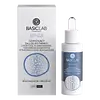
This hydrating serum is formulated around Saccharomyces/Rice Ferment Filtrate and Ectoin to hydrate skin and strengthen the skin barrier.
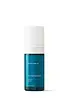
This barrier-repair serum is formulated around Ceramide Ng and Ceramide NP to strengthen the skin barrier and calm redness.


What's inside
What's inside
 Key Ingredients
Benefits
Concerns
Ingredients Side-by-side
Water
Skin ConditioningSaccharomyces/Rice Ferment Filtrate
Skin Conditioning


Ectoin
Skin Conditioning





Propanediol
Solvent
Glycerin
Humectant
Pentylene Glycol
Skin Conditioning
Tripelargonin
EmollientGluconolactone
Chelating





Serine
Masking
Polyglyceryl-6 Stearate
Emollient
Arginine
Masking
Saussurea Involucrata Callus Extract
Antioxidant
Beta-Glucan
Skin Conditioning
Hydrolyzed Hyaluronic Acid
Humectant
Hydrolyzed Sodium Hyaluronate
Skin Conditioning
Alpha-Glucan Oligosaccharide
Cleansing
Trehalose
Humectant
Ceramide Ns
Skin Conditioning
Cholesterol
Emollient
Inulin
Skin Conditioning
Hydrogenated Lecithin
Emulsifying
Calcium Gluconate
HumectantXanthan Gum
EmulsifyingOctyldodecanol
Emollient
Polyglyceryl-6 Behenate
Emulsion Stabilising
Hydroxyacetophenone
Antioxidant
Sodium Benzoate
Masking
Water, Saccharomyces/Rice Ferment Filtrate, Ectoin, Propanediol, Glycerin, Pentylene Glycol, Tripelargonin, Gluconolactone, Serine, Polyglyceryl-6 Stearate, Arginine, Saussurea Involucrata Callus Extract, Beta-Glucan, Hydrolyzed Hyaluronic Acid, Hydrolyzed Sodium Hyaluronate, Alpha-Glucan Oligosaccharide, Trehalose, Ceramide Ns, Cholesterol, Inulin, Hydrogenated Lecithin, Calcium Gluconate, Xanthan Gum, Octyldodecanol, Polyglyceryl-6 Behenate, Hydroxyacetophenone, Sodium Benzoate
Water
Skin ConditioningPropanediol
Solvent
Dicaprylyl Carbonate
EmollientGlycerin
Humectant
Undecane
EmollientCeramide Ng
Skin Conditioning
Tridecane
Perfuming

Glycine Soja Seed Extract
Skin Conditioning
Ceramide NP
Skin Conditioning
Ceramide AP
Skin Conditioning
Ceramide As
Skin Conditioning
Ceramide Ns
Skin Conditioning
Ceramide EOP
Skin Conditioning
Gossypium Herbaceum Callus Culture
Skin ConditioningDimethicone
Emollient
Ectoin
Skin Conditioning
Asiaticoside
Antioxidant
Madecassic Acid
Skin Conditioning
Asiatic Acid
Skin Conditioning
Silica
Abrasive
Hydrogenated Lecithin
Emulsifying
Xanthan Gum
EmulsifyingSclerotium Gum
Emulsion StabilisingDipropylene Glycol
HumectantLecithin
Emollient
Dimethicone/Vinyl Dimethicone Crosspolymer
Skin Conditioning
Pullulan
Sucrose Distearate
Emollient
Glyceryl Stearate
Emollient
Cholesterol
Emollient
Tocopherol
Antioxidant
Citric Acid
Buffering
Alcohol
Antimicrobial



Ethylhexylglycerin
Skin ConditioningPhenoxyethanol
Preservative
Water, Propanediol, Dicaprylyl Carbonate, Glycerin, Undecane, Ceramide Ng, Tridecane, Glycine Soja Seed Extract, Ceramide NP, Ceramide AP, Ceramide As, Ceramide Ns, Ceramide EOP, Gossypium Herbaceum Callus Culture, Dimethicone, Ectoin, Asiaticoside, Madecassic Acid, Asiatic Acid, Silica, Hydrogenated Lecithin, Xanthan Gum, Sclerotium Gum, Dipropylene Glycol, Lecithin, Dimethicone/Vinyl Dimethicone Crosspolymer, Pullulan, Sucrose Distearate, Glyceryl Stearate, Cholesterol, Tocopherol, Citric Acid, Alcohol, Ethylhexylglycerin, Phenoxyethanol
Reviews
Ingredients Explained
These ingredients are found in both products.
Ingredients higher up in an ingredient list are typically present in a larger amount.
Ceramide NS is formally known as Ceramide 2. It is one of the major ceramides in the stratum corneum (outermost layer of skin) plays a role in forming a protective barrier.
Due to its structure, skin lipids can be packed tightly and in turn, this strengthens the barrier and reduces water loss.
Studies show conditions like atopic dermatitis can worsen when ceramide NS levels are low.
Learn more about Ceramide NsCholesterol is a lipid that is naturally found in human skin and is one of the three key components of your skin barrier. In skincare, it is an emollient and barrier-repairing ingredient.
It works by fitting directly into the lipid layers of skin to help restore structure and reduce transepidermal water loss (TEWL).
This is a great ingredient for dry, compromised, or aging skin; our skin starts to produce less cholesterol with age.
Research shows cholesterol works best in combination with ceramides and fatty acids, the other two major components in your skin barrier.
Cholesterol is also a well-establish penetration enhancer and can help other actives absorb more effectively.
Cosmetic-grade cholesterol is usually derived from lanolin but plant and synthetic options also exist. We recommend reaching out to the brand if you have questions about their source of cholesterol.
Learn more about CholesterolEctoin is a compound found naturally in some species of bacteria. It can be synthetically created for skincare use.
This ingredient is an osmolyte; Osmolytes help organisms survive osmotic shock (it protects them from extreme conditions). It does this by influencing the properties of biological fluids within cells.
When applied to the skin, ectoin helps bind water molecules to protect our skin. The water forms a sort of armor for the parts of our skin cells, enzymes, proteins, and more.
Besides this, ectoin has many uses in skincare:
A study from 2004 found ectoin to counteract the damage from UV-A exposure at different cell levels. It has also been shown to protect skin against both UV-A, UV-B rays, infrared light, and visible light.
Studies show ectoin to have dual-action pollution protection: first, it protects our skin from further pollution damage. Second, it helps repair damage from pollution.
In fact, ectoin has been shown to help with:
Fun fact: In the EU, ectoin is used in inhalation medication as an anti-pollution ingredient.
Ectoin is a highly stable ingredient. It has a wide pH range of 1-9. Light, oxygen, and temperature do not affect this ingredient.
The chemical name for this ingredient is Tetrahydromethylpyrimidine Carboxylic Acid.
Learn more about EctoinGlycerin (or glycerol) is a compound naturally found in your skin. It's a powerhouse humectant that pulls water into the stratum corneum.
Topically, glycerin does several things at once:
Your skin makes glycerin on its own (mostly from sebaceous oil breakdown) and shuttles it to your outermost layer of skin, or your epidermis, via aquaporin-3.
Aquaporin-3 is a transporter that is essential for normal skin hydration, elasticity, and repair. Interestingly, mice lacking in AQP3 have dry and less elastic skin that can be fully corrected with glycerin.
This ingredient is non-irritating, plays well with almost every ingredient, and works across all skin types. Typical use is anywhere between 3-10% but can go up to 79% in some leave-on products.
Just know very high concentrations (>40%) can feel tacky in low humidity.
Glycerin is the name for this ingredient in American English. British English uses Glycerol/Glycerine.
Learn more about GlycerinHydrogenated Lecithin is a more stable version of lecithin.
It's made by taking lecithin (a phospholipid commonly found in soybeans and egg yolks) and hydrogenating it. This just means the unsaturated fatty acids are turned into saturated ones so they don't go bad as easily.
This ingredient is an emollient, emulsifier, and penetration enhancer. As an emollient, it helps soften and hydrate skin by trapping moisture within. As an emulsifier, it prevents oil and water ingredients from separating.
Hydrogenated Lecithin can form tiny spherical structures made of phospholipid bilayers called liposomes. These liposomes are able to capture compounds inside their structure and deliver them through the skin barrier.
Because phospholipids are a natural component of our cell membranes, this ingredient is inherently compatible with skin.
A 2021 study found lecithin-based surfactants were less harsh and more tolerable comared to Sodium Lauryl Sulfate (SLS).
Learn more about Hydrogenated LecithinPropanediol is an all-star ingredient. It softens, hydrates, and smooths the skin.
It’s often used to:
Propanediol is not likely to cause sensitivity and considered safe to use. It is derived from corn or petroleum with a clear color and no scent.
Learn more about PropanediolWater. It's the most common cosmetic ingredient of all. You'll usually see it at the top of ingredient lists, meaning that it makes up the largest part of the product.
So why is it so popular? Water most often acts as a solvent - this means that it helps dissolve other ingredients into the formulation.
You'll also recognize water as that liquid we all need to stay alive. If you see this, drink a glass of water. Remember to stay hydrated!
Learn more about WaterXanthan gum is used as a stabilizer and thickener within cosmetic products. It helps give products a sticky, thick feeling - preventing them from being too runny.
On the technical side of things, xanthan gum is a polysaccharide - a combination consisting of multiple sugar molecules bonded together.
Xanthan gum is a pretty common and great ingredient. It is a natural, non-toxic, non-irritating ingredient that is also commonly used in food products.
Learn more about Xanthan Gum

