

What's inside
What's inside
 Key Ingredients
Benefits
Concerns
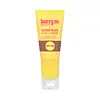
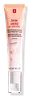
Ingredients Side-by-side
Water
Skin ConditioningGlycerin
Humectant


Ethylhexyl Methoxycinnamate
UV Absorber


Butylene Glycol
Humectant
Synthetic Fluorphlogopite
Caprylic/Capric Triglyceride
Masking
Diethylamino Hydroxybenzoyl Hexyl Benzoate
UV Filter
Ethylhexyl Triazone
UV Absorber
Methylene Bis-Benzotriazolyl Tetramethylbutylphenol
UV Filter
Polyglyceryl-10 Myristate
Skin Conditioning

Hydroxyethyl Acrylate/Sodium Acryloyldimethyl Taurate Copolymer
Emulsion Stabilising1,2-Hexanediol
Skin Conditioning
Boron Nitride
Absorbent
Hydroxyacetophenone
Antioxidant
Ammonium Acryloyldimethyltaurate/Vp Copolymer
Glycine Soja Seed Extract
Skin Conditioning

Glyceryl Distearate
Emollient
Polyglyceryl-3 Diisostearate
Emulsifying


Stearic Acid
Cleansing
Trilaureth-4 Phosphate
EmulsifyingPhenoxyethanol
Preservative
Cetearyl Alcohol
Emollient
Parfum
Masking

Decyl Glucoside
Cleansing
Butyrospermum Parkii Butter
Skin Conditioning
3-O-Ethyl Ascorbic Acid
Skin Conditioning




Sodium Hyaluronate
Humectant

Ethylhexylglycerin
Skin ConditioningPropylene Glycol
Humectant
Xanthan Gum
EmulsifyingTin Oxide
Abrasive
Tetramethyl Acetyloctahydronaphthalenes
Masking
Hexamethylindanopyran
Masking
Alpha-Isomethyl Ionone
Perfuming
Linalyl Acetate
Masking
Linalool
Perfuming
Citronellol
Perfuming
CI 77891
Cosmetic ColorantCI 77491
Cosmetic ColorantCI 77492
Cosmetic ColorantCI 77499
Cosmetic ColorantWater, Glycerin, Ethylhexyl Methoxycinnamate, Butylene Glycol, Synthetic Fluorphlogopite, Caprylic/Capric Triglyceride, Diethylamino Hydroxybenzoyl Hexyl Benzoate, Ethylhexyl Triazone, Methylene Bis-Benzotriazolyl Tetramethylbutylphenol, Polyglyceryl-10 Myristate, Hydroxyethyl Acrylate/Sodium Acryloyldimethyl Taurate Copolymer, 1,2-Hexanediol, Boron Nitride, Hydroxyacetophenone, Ammonium Acryloyldimethyltaurate/Vp Copolymer, Glycine Soja Seed Extract, Glyceryl Distearate, Polyglyceryl-3 Diisostearate, Stearic Acid, Trilaureth-4 Phosphate, Phenoxyethanol, Cetearyl Alcohol, Parfum, Decyl Glucoside, Butyrospermum Parkii Butter, 3-O-Ethyl Ascorbic Acid, Sodium Hyaluronate, Ethylhexylglycerin, Propylene Glycol, Xanthan Gum, Tin Oxide, Tetramethyl Acetyloctahydronaphthalenes, Hexamethylindanopyran, Alpha-Isomethyl Ionone, Linalyl Acetate, Linalool, Citronellol, CI 77891, CI 77491, CI 77492, CI 77499
Water
Skin ConditioningButylene Glycol
Humectant
Polymethyl Methacrylate
Glycerin
Humectant
Sodium Acrylates Crosspolymer-2
AbsorbentBetaine
Humectant
Panax Ginseng Root Extract
Emollient
Glycyrrhiza Glabra Root Extract
Bleaching
Dioscorea Villosa Root Extract
Skin Conditioning
Kigelia Africana Fruit Extract
Skin ConditioningZea Mays Starch
Absorbent
Bacillus Ferment
Skin Conditioning
Squalane
Emollient
Sodium Hyaluronate
Humectant
Ammonium Acryloyldimethyltaurate/Vp Copolymer
Hydroxyethyl Acrylate/Sodium Acryloyldimethyl Taurate Copolymer
Emulsion StabilisingEthylhexylglycerin
Skin ConditioningMica
Cosmetic Colorant1,2-Hexanediol
Skin Conditioning
Synthetic Fluorphlogopite
Silica Dimethyl Silylate
EmollientSilica
Abrasive
Polysorbate 60
Emulsifying
Zein
Skin ConditioningBiosaccharide Gum-4
Skin Conditioning
Sorbitan Isostearate
Emulsifying
Hydrogenated Lecithin
Emulsifying
Polyglyceryl-10 Stearate
Skin Conditioning
Caprylic/Capric Triglyceride
Masking
Tin Oxide
Abrasive
Potassium Sorbate
Preservative
Parfum
Masking
Hexyl Cinnamal
Perfuming
CI 17200
Cosmetic ColorantCI 77288
Cosmetic ColorantCI 19140
Cosmetic ColorantCI 77891
Cosmetic ColorantWater, Butylene Glycol, Polymethyl Methacrylate, Glycerin, Sodium Acrylates Crosspolymer-2, Betaine, Panax Ginseng Root Extract, Glycyrrhiza Glabra Root Extract, Dioscorea Villosa Root Extract, Kigelia Africana Fruit Extract, Zea Mays Starch, Bacillus Ferment, Squalane, Sodium Hyaluronate, Ammonium Acryloyldimethyltaurate/Vp Copolymer, Hydroxyethyl Acrylate/Sodium Acryloyldimethyl Taurate Copolymer, Ethylhexylglycerin, Mica, 1,2-Hexanediol, Synthetic Fluorphlogopite, Silica Dimethyl Silylate, Silica, Polysorbate 60, Zein, Biosaccharide Gum-4, Sorbitan Isostearate, Hydrogenated Lecithin, Polyglyceryl-10 Stearate, Caprylic/Capric Triglyceride, Tin Oxide, Potassium Sorbate, Parfum, Hexyl Cinnamal, CI 17200, CI 77288, CI 19140, CI 77891
Ingredients Explained
These ingredients are found in both products.
Ingredients higher up in an ingredient list are typically present in a larger amount.
1,2-Hexanediol is a synthetic liquid and another multi-functional powerhouse.
It is a:
- Humectant, drawing moisture into the skin
- Emollient, helping to soften skin
- Solvent, dispersing and stabilizing formulas
- Preservative booster, enhancing the antimicrobial activity of other preservatives
Ammonium Acryloyldimethyltaurate/Vp Copolymer is a synthetically created polymer. It's used as a film-forming agent and used to thicken the consistency of products.
Think of it as a supportive ingredient that helps your gel-creams feel silky, "cloud cream-like", and spread evenly without being greasy.
The Cosmetic Ingredient Review (CIR) Expert Panel evaluated it (along with 22 other acryloyldimethyltaurate polymers) and concluded it's:
Due to its large molecular size, it sits on the surface of skin rather than penetrating it.
Learn more about Ammonium Acryloyldimethyltaurate/Vp CopolymerButylene Glycol (or BG) is used within cosmetic products for a few different reasons:
Overall, Butylene Glycol is a safe and well-rounded ingredient that works well with other ingredients.
Though this ingredient works well with most skin types, some people with sensitive skin may experience a reaction such as allergic rashes, closed comedones, or itchiness.
Learn more about Butylene GlycolCaprylic/Capric Triglyceride (aka MCT Oil) is a lightweight emollient, solvent, and texture enhancer. It is considered a skin-softener by helping to prevent moisture loss.
Though it behaves like an oil, it is not technically one due to its chemical composition. One perk of this ingredient is that it is very stable, resistant to oxidation, and unlikely to go rancid.
In practice, that translates to a long shelf life and a consistently elegant skin feel.
While there is an assumption Caprylic Triglyceride can clog pores due to it being derived from coconut oil, there is no research supporting this. Just patch test if you have concerns.
Fractionated coconut oil and MCT Oil are both listed as Caprylic/Capric Triglyceride according to INCI. This is because INCI names are based on the ingredient’s final chemical composition and not its marketing name or source.
This ingredient is treated as the gold standard fungal acne safe oil. Even though it is coconut derived, the problematic lauric acid is stripped out.
This leaves just caprylic (C8) and capric (C10) acid. These chain lengths actually trend antifungal; a 2020 study found caprylic acid was enough to disrupt Malassezia furfur cell membrane, with a caprylic acid derivative damaging membrane structures at concentrations as low as 0.2%.
Learn more about Caprylic/Capric TriglycerideCi 77891 is a white pigment from Titanium dioxide. It is naturally found in minerals such as rutile and ilmenite.
It's main function is to add a white color to cosmetics. It can also be mixed with other colors to create different shades.
Ci 77891 is commonly found in sunscreens due to its ability to block UV rays.
Learn more about CI 77891Ethylhexylglycerin is created from glycerin. It is a multitasker ingredient that:
The CIR Expert Panel found minimal skin absorption or sensitization of any kind in a safety assessment. Though this ingredient is considered well-tolerated, a small number of cases of allergic dermatitis have been published since 2002. Just be sure to patch test if you are unsure.
Industry-reported use ranges from 8% in rinse-off products and 2% in leave-on formulations.
Learn more about EthylhexylglycerinGlycerin (or glycerol) is a compound naturally found in your skin. It's a powerhouse humectant that pulls water into the stratum corneum.
Topically, glycerin does several things at once:
Your skin makes glycerin on its own (mostly from sebaceous oil breakdown) and shuttles it to your outermost layer of skin, or your epidermis, via aquaporin-3.
Aquaporin-3 is a transporter that is essential for normal skin hydration, elasticity, and repair. Interestingly, mice lacking in AQP3 have dry and less elastic skin that can be fully corrected with glycerin.
This ingredient is non-irritating, plays well with almost every ingredient, and works across all skin types. Typical use is anywhere between 3-10% but can go up to 79% in some leave-on products.
Just know very high concentrations (>40%) can feel tacky in low humidity.
Glycerin is the name for this ingredient in American English. British English uses Glycerol/Glycerine.
Learn more about GlycerinThis is a synthetic polymer. It helps improve the texture of products by adding thickness and gel-like feel.
It is also an emulsifer, meaning it prevents ingredients such as oil and water from separating. It also helps evenly disperse other ingredients.
Parfum is a catch-all term for an ingredient or more that is used to give a scent to products.
Also called "fragrance", this ingredient can be a blend of hundreds of chemicals or plant oils. This means every product with "fragrance" or "parfum" in the ingredients list is a different mixture.
For instance, Habanolide is a proprietary trade name for a specific aroma chemical. When used as a fragrance ingredient in cosmetics, most aroma chemicals fall under the broad labeling category of “FRAGRANCE” or “PARFUM” according to EU and US regulations.
The term 'parfum' or 'fragrance' is not regulated in many countries. In many cases, it is up to the brand to define this term.
For instance, many brands choose to label themselves as "fragrance-free" because they are not using synthetic fragrances. However, their products may still contain ingredients such as essential oils that are considered a fragrance by INCI standards.
One example is Calendula flower extract. Calendula is an essential oil that still imparts a scent or 'fragrance'.
Depending on the blend, the ingredients in the mixture can cause allergies and sensitivities on the skin. Some ingredients that are known EU allergens include linalool and citronellol.
Parfum can also be used to mask or cover an unpleasant scent.
The bottom line is: not all fragrances/parfum/ingredients are created equally. If you are worried about fragrances, we recommend taking a closer look at an ingredient. And of course, we always recommend speaking with a professional.
Learn more about ParfumSodium Hyaluronate is the salt form of hyaluronic acid. It is a long sugar chain that is naturally found in your skin, joints, and connective tissue that maintains hydration and elasticity.
In skincare, it works as a humectant. It pulls water from the environment and deeper layers of skin and binds it to the surface.
Interestingly, the size of the molecule affects its behavior:
Some clinical evidence links low molecular weight versions to improved wrinkle depth, elasticity, anti-inflammatory effects, and barrier repair.
Many serums use a blend of both weights so you can get surface hydration plus longer-lasting and deeper effects.
You'll typically see concentrations between 0.1-2% for this ingredient.
Learn more about Sodium HyaluronateSynthetic Fluorphlogopite is the synthethic version of mica. It consists of fluorine, aluminum and silicate.
Synthetic Fluorphlogopite is used to add volume to products.
It is considered non-irritating on the skin.
Learn more about Synthetic FluorphlogopiteTin Oxide is an inorganic oxide used to add opacity and volume to a product. In nature, it is already found in mineral form. The main ore of tin is an opaque and shiny mineral called casseterite.
Tin Oxide helps remove translucency in a product, or make it more opaque. Besides adding opacity, tin oxide is used for bulking to add volume.
Water. It's the most common cosmetic ingredient of all. You'll usually see it at the top of ingredient lists, meaning that it makes up the largest part of the product.
So why is it so popular? Water most often acts as a solvent - this means that it helps dissolve other ingredients into the formulation.
You'll also recognize water as that liquid we all need to stay alive. If you see this, drink a glass of water. Remember to stay hydrated!
Learn more about Water

