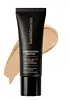
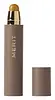
bareMinerals Complexion Rescue Natural Matte Tinted Moisturizer SPF 30 Versus Merit Beauty The Minimalist Perfecting Complexion Foundation and Concealer Stick

What's inside
What's inside
 Key Ingredients
Benefits
Concerns
Ingredients Side-by-side
Titanium Dioxide 6.9%
Cosmetic Colorant

Water
Skin ConditioningCoconut Alkanes
Emollient


Propanediol
Solvent

Squalane
Emollient
Trehalose
Humectant
Kaolin
Abrasive



Silica
Abrasive
Agar
MaskingIsostearic Acid
Cleansing

Polysorbate 60
Emulsifying
Sorbitan Sesquiisostearate
Emulsifying
Caprylic/Capric Triglyceride
Masking
Aluminum Hydroxide
EmollientPolyglyceryl-4 Laurate/Succinate
Phenoxyethanol
Preservative
Coco-Caprylate/Caprate
Emollient
Hydrogen Dimethicone

Glycerin
Humectant
Magnesium Stearate
Cosmetic ColorantChlorphenesin
Antimicrobial
Cellulose Gum
Emulsion StabilisingButylene Glycol
Humectant
Succinoglycan
Skin ConditioningSalicornia Herbacea Extract
Skin ConditioningLauroyl Lysine
Skin Conditioning
Hydrolyzed Hyaluronic Acid
Humectant
Sodium PCA
Humectant
1,2-Hexanediol
Skin Conditioning
Calcium Chloride
AstringentMagnesium Chloride
Biosaccharide Gum-4
Skin Conditioning
Potassium Chloride
Melilotus Officinalis Extract
AstringentPlankton Extract
Skin ConditioningCamellia Japonica Flower Extract
EmollientTheobroma Cacao Seed Extract
Antioxidant
Iron Oxides
CI 77891
Cosmetic ColorantTitanium Dioxide 6.9%, Water, Coconut Alkanes, Propanediol, Squalane, Trehalose, Kaolin, Silica, Agar, Isostearic Acid, Polysorbate 60, Sorbitan Sesquiisostearate, Caprylic/Capric Triglyceride, Aluminum Hydroxide, Polyglyceryl-4 Laurate/Succinate, Phenoxyethanol, Coco-Caprylate/Caprate, Hydrogen Dimethicone, Glycerin, Magnesium Stearate, Chlorphenesin, Cellulose Gum, Butylene Glycol, Succinoglycan, Salicornia Herbacea Extract, Lauroyl Lysine, Hydrolyzed Hyaluronic Acid, Sodium PCA, 1,2-Hexanediol, Calcium Chloride, Magnesium Chloride, Biosaccharide Gum-4, Potassium Chloride, Melilotus Officinalis Extract, Plankton Extract, Camellia Japonica Flower Extract, Theobroma Cacao Seed Extract, Iron Oxides, CI 77891
Hydrogenated Polydecene
EmollientCaprylic/Capric Triglyceride
Masking
Octyldodecanol
Emollient
Silica
Abrasive
Polyethylene
Abrasive
Dipentaerythrityl Hexahydroxystearate/Hexastearate/Hexarosinate
Skin ConditioningHydrogenated Polyisobutene
EmollientCopernicia Cerifera Wax
Synthetic Wax
Abrasive
Triethoxycaprylylsilane
Cera Microcristallina
Emulsion StabilisingSorbitan Isostearate
Emulsifying
Pancratium Maritimum Extract
BleachingTocopheryl Acetate
Antioxidant

Dimethicone
Emollient
Caprylyl Glycol
Emollient
Propylene Carbonate
SolventEthylhexylglycerin
Skin Conditioning1,2-Hexanediol
Skin Conditioning
Stearalkonium Hectorite
Gel FormingGlycerin
Humectant
Water
Skin ConditioningMica
Cosmetic ColorantBHT
Antioxidant
CI 77491
Cosmetic ColorantCI 77891
Cosmetic ColorantHydrogenated Polydecene, Caprylic/Capric Triglyceride, Octyldodecanol, Silica, Polyethylene, Dipentaerythrityl Hexahydroxystearate/Hexastearate/Hexarosinate, Hydrogenated Polyisobutene, Copernicia Cerifera Wax, Synthetic Wax, Triethoxycaprylylsilane, Cera Microcristallina, Sorbitan Isostearate, Pancratium Maritimum Extract, Tocopheryl Acetate, Dimethicone, Caprylyl Glycol, Propylene Carbonate, Ethylhexylglycerin, 1,2-Hexanediol, Stearalkonium Hectorite, Glycerin, Water, Mica, BHT, CI 77491, CI 77891
Reviews
Ingredients Explained
These ingredients are found in both products.
Ingredients higher up in an ingredient list are typically present in a larger amount.
1,2-Hexanediol is a synthetic liquid and another multi-functional powerhouse.
It is a:
- Humectant, drawing moisture into the skin
- Emollient, helping to soften skin
- Solvent, dispersing and stabilizing formulas
- Preservative booster, enhancing the antimicrobial activity of other preservatives
Caprylic/Capric Triglyceride (aka MCT Oil) is a lightweight emollient, solvent, and texture enhancer. It is considered a skin-softener by helping to prevent moisture loss.
Though it behaves like an oil, it is not technically one due to its chemical composition. One perk of this ingredient is that it is very stable, resistant to oxidation, and unlikely to go rancid.
In practice, that translates to a long shelf life and a consistently elegant skin feel.
While there is an assumption Caprylic Triglyceride can clog pores due to it being derived from coconut oil, there is no research supporting this. Just patch test if you have concerns.
Fractionated coconut oil and MCT Oil are both listed as Caprylic/Capric Triglyceride according to INCI. This is because INCI names are based on the ingredient’s final chemical composition and not its marketing name or source.
This ingredient is treated as the gold standard fungal acne safe oil. Even though it is coconut derived, the problematic lauric acid is stripped out.
This leaves just caprylic (C8) and capric (C10) acid. These chain lengths actually trend antifungal; a 2020 study found caprylic acid was enough to disrupt Malassezia furfur cell membrane, with a caprylic acid derivative damaging membrane structures at concentrations as low as 0.2%.
Learn more about Caprylic/Capric TriglycerideCi 77891 is a white pigment from Titanium dioxide. It is naturally found in minerals such as rutile and ilmenite.
It's main function is to add a white color to cosmetics. It can also be mixed with other colors to create different shades.
Ci 77891 is commonly found in sunscreens due to its ability to block UV rays.
Learn more about CI 77891Glycerin (or glycerol) is a compound naturally found in your skin. It's a powerhouse humectant that pulls water into the stratum corneum.
Topically, glycerin does several things at once:
Your skin makes glycerin on its own (mostly from sebaceous oil breakdown) and shuttles it to your outermost layer of skin, or your epidermis, via aquaporin-3.
Aquaporin-3 is a transporter that is essential for normal skin hydration, elasticity, and repair. Interestingly, mice lacking in AQP3 have dry and less elastic skin that can be fully corrected with glycerin.
This ingredient is non-irritating, plays well with almost every ingredient, and works across all skin types. Typical use is anywhere between 3-10% but can go up to 79% in some leave-on products.
Just know very high concentrations (>40%) can feel tacky in low humidity.
Glycerin is the name for this ingredient in American English. British English uses Glycerol/Glycerine.
Learn more about GlycerinSilica, also known as silicon dioxide, is a naturally occurring mineral. It is used as a fine, spherical, and porous powder in cosmetics.
Though it has exfoliant properties, the function of silica varies depending on the product.
The unique structure of silica enhances the spreadability and adds smoothness, making it a great texture enhancer.
It is also used as an active carrier, emulsifier, and mattifier due to its ability to absorb excess oil.
In some products, tiny microneedles called spicules are made from silica or hydrolyzed sponge. When you rub them in, they lightly polish away dead skin layers and enhance the penetration of active ingredients.
Learn more about SilicaWater. It's the most common cosmetic ingredient of all. You'll usually see it at the top of ingredient lists, meaning that it makes up the largest part of the product.
So why is it so popular? Water most often acts as a solvent - this means that it helps dissolve other ingredients into the formulation.
You'll also recognize water as that liquid we all need to stay alive. If you see this, drink a glass of water. Remember to stay hydrated!
Learn more about Water

