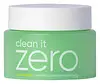
This oil-based makeup remover is made to dissolve makeup, sunscreen, and daily buildup.
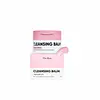
This oil-based cleanser is made to cleanse without leaving your skin tight or dry.


What's inside
What's inside
 Key Ingredients
Benefits
Concerns
Ingredients Side-by-side
Ethylhexyl Palmitate
Emollient




Cetyl Ethylhexanoate
EmollientPEG-20 Glyceryl Triisostearate
Emollient
PEG-10 Isostearate
Emulsifying
Synthetic Wax
Abrasive
Simmondsia Chinensis Seed Oil
Emollient



1,2-Hexanediol
Skin Conditioning
C12-13 Alkyl Lactate
EmollientButylene Glycol
Humectant
Water
Skin ConditioningCapryloyl Salicylic Acid
Exfoliating



Salicylic Acid
Masking





Melaleuca Alternifolia Leaf Extract
Perfuming
Melaleuca Alternifolia Leaf Oil
Antioxidant

Melia Azadirachta Leaf Extract
Skin ConditioningMelia Azadirachta Flower Extract
Skin ConditioningBambusa Vulgaris Extract
Skin Conditioning
Aspalathus Linearis Extract
Skin ConditioningAngelica Archangelica Root Extract
Masking
Malpighia Emarginata Fruit Extract
Skin ConditioningEthylhexyl Palmitate, Cetyl Ethylhexanoate, PEG-20 Glyceryl Triisostearate, PEG-10 Isostearate, Synthetic Wax, Simmondsia Chinensis Seed Oil, 1,2-Hexanediol, C12-13 Alkyl Lactate, Butylene Glycol, Water, Capryloyl Salicylic Acid, Salicylic Acid, Melaleuca Alternifolia Leaf Extract, Melaleuca Alternifolia Leaf Oil, Melia Azadirachta Leaf Extract, Melia Azadirachta Flower Extract, Bambusa Vulgaris Extract, Aspalathus Linearis Extract, Angelica Archangelica Root Extract, Malpighia Emarginata Fruit Extract
Ethylhexyl Palmitate
Emollient
Cetyl Ethylhexanoate
EmollientSorbeth-30 Tetraoleate
Emulsifying
Helianthus Annuus Seed Oil
Emollient
Synthetic Wax
Abrasive
Squalane
Emollient
Isododecane
EmollientTrihydroxystearin
Skin Conditioning
Eclipta Prostrata Extract
Skin Conditioning
Tocopheryl Acetate
Antioxidant
Melia Azadirachta Leaf Extract
Skin ConditioningMoringa Oleifera Seed Oil
Emollient
Water
Skin ConditioningHydrogenated Lecithin
Emulsifying
Cetearyl Alcohol
Emollient

Stearic Acid
Cleansing
Ceteareth-25
CleansingGlycerin
Humectant
Cetyl Alcohol
Emollient
Ceramide NP
Skin Conditioning

Cholesterol
Emollient
Behenic Acid
Cleansing
Ceramide Ns
Skin Conditioning
Ethylhexylglycerin
Skin ConditioningCeramide AP
Skin Conditioning
Ceramide EOP
Skin Conditioning
Phytosphingosine
Skin Conditioning
Ceramide Eos
Skin Conditioning
Ceramide Ng
Skin Conditioning
Ceramide As
Skin Conditioning
Caprooyl Phytosphingosine
Skin Conditioning
Caprooyl Sphingosine
Skin ConditioningEthylhexyl Palmitate, Cetyl Ethylhexanoate, Sorbeth-30 Tetraoleate, Helianthus Annuus Seed Oil, Synthetic Wax, Squalane, Isododecane, Trihydroxystearin, Eclipta Prostrata Extract, Tocopheryl Acetate, Melia Azadirachta Leaf Extract, Moringa Oleifera Seed Oil, Water, Hydrogenated Lecithin, Cetearyl Alcohol, Stearic Acid, Ceteareth-25, Glycerin, Cetyl Alcohol, Ceramide NP, Cholesterol, Behenic Acid, Ceramide Ns, Ethylhexylglycerin, Ceramide AP, Ceramide EOP, Phytosphingosine, Ceramide Eos, Ceramide Ng, Ceramide As, Caprooyl Phytosphingosine, Caprooyl Sphingosine
Reviews
Ingredients Explained
These ingredients are found in both products.
Ingredients higher up in an ingredient list are typically present in a larger amount.
Cetyl Ethylhexanoate is an emollient ester. It comes from cetearyl alcohol and 2-ethylhexanoic acid.
Cetyl Ethylhexanoate is an emollient that adds a velvety feel to skin without being greasy or oily. Emollients help trap moisture into your skin, keeping your skin soft and hydrated.
Ethylhexyl Palmitate, also known as octyl palmitate, is created from 2-ethylhexyl alcohol and palmitic acid.
In cosmetics, it plays many roles:
One thing worth noting: a controlled study found this ingredient applied under occlusion to acne-prone subjects increased microcomedones. Just keep in mind this was under occlusive conditions and don't reflect how most products are used day-to-day.
For most people, this is a well-tolerated and lightweight ingredient.
This ingredient may not be fungal acne safe because it is an ester of palmitic acid, a C16 fatty acid that falls within the C11-24 range that Malassezia can metabolize.
You'll see this one rated 4 comedogenic all over the internet. That number isn't from a single study, and the actual research is more interesting.
The original rating comes from 1980s rabbit ear tests (which are a shaky basis for anything). But Ethylhexyl Palmitate is one of the few ingredients with real human data behind it. A 2021 controlled trial found this ingredient increased microcomedones by an average of 365% over four weeks.
Just know that test used the pure ingredient under an occlusive pad on back skin; most products use it at much lower levels alongside other ingredients and plenty of people use those with no issue.
Learn more about Ethylhexyl PalmitateThis ingredient is also known as neem leaf extract. It contains natural compounds like nimbidin, quercetin, and other polyphenols that give it antibacterial, antifungal, and anti-inflammatory activity.
Lab studies have shown neem leaf extract can inhibit acne-related bacteria and help calm skin. Animal studies on wound gels using 1-3% neem leaf extract found it sped up healing without causing irritation.
A wound-healing study testing gels with the extract at 1%, 2%, and 3% concentrations and found none of them irritated the skin.
Most commercial products also use it in a similar low range (typically under 5%).
Allergy-wise, there are some case reports on neem oil causing allergic contact dermatitis so people with plant/botanical sensitivities may want to patch test first.
Learn more about Melia Azadirachta Leaf ExtractSynthetic Wax is a manufactured hydrocarbon wax. In formulas, it works as an occlusive emollient that helps reduce water loss and improves the spreadability of products.
Research comparing synthetic wax to traditional mineral-derived products found that formulas containing it perform as well for skin hydration.
It is considered non-comedogenic and vegan-friendly.
This ingredient has a well-established safety record by the CIR Expert Panel for Cosmetic Ingredient Safety.
Synthetic Waxes are straight/branched-chain hydrocarbons with no ester bond or fatty acids. That means there is nothing for the Malassezia yeast to feed on.
Learn more about Synthetic WaxWater. It's the most common cosmetic ingredient of all. You'll usually see it at the top of ingredient lists, meaning that it makes up the largest part of the product.
So why is it so popular? Water most often acts as a solvent - this means that it helps dissolve other ingredients into the formulation.
You'll also recognize water as that liquid we all need to stay alive. If you see this, drink a glass of water. Remember to stay hydrated!
Learn more about Water


