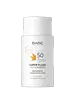
This chemical sunscreen covers the full UV range and blocks ~98% of UVB at SPF 50.
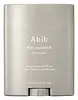
This chemical sunscreen covers most of the UV range, lighter on the deep UVA that drives aging, though its SPF isn't confirmed on file yet.


What's inside
What's inside
 Key Ingredients
Benefits
Concerns
Ingredients Side-by-side
Water
Skin ConditioningDicaprylyl Carbonate
EmollientEthylhexyl Methoxycinnamate
UV Absorber


Propanediol
Solvent

Dibutyl Adipate
EmollientButyl Methoxydibenzoylmethane
UV Absorber
Ethylhexyl Triazone
UV Absorber
Bis-Ethylhexyloxyphenol Methoxyphenyl Triazine
UV Absorber
Ascorbyl Glucoside
Antioxidant




C20-22 Alkyl Phosphate
EmulsifyingC20-22 Alcohols
Emulsion Stabilising
Benzotriazolyl Dodecyl P-Cresol
UV AbsorberTranexamic Acid
Astringent



Sodium Hyaluronate
Humectant
Carnosine
Skin Conditioning
Tocopherol
Antioxidant
Caprylyl/Capryl Glucoside
CleansingParfum
Masking



Xanthan Gum
EmulsifyingPolyacrylate Crosspolymer-6
Emulsion StabilisingBHT
Antioxidant
Sodium Hydroxide
Buffering1,2-Hexanediol
Skin Conditioning
O-Cymen-5-Ol
Antimicrobial
Water, Dicaprylyl Carbonate, Ethylhexyl Methoxycinnamate, Propanediol, Dibutyl Adipate, Butyl Methoxydibenzoylmethane, Ethylhexyl Triazone, Bis-Ethylhexyloxyphenol Methoxyphenyl Triazine, Ascorbyl Glucoside, C20-22 Alkyl Phosphate, C20-22 Alcohols, Benzotriazolyl Dodecyl P-Cresol, Tranexamic Acid, Sodium Hyaluronate, Carnosine, Tocopherol, Caprylyl/Capryl Glucoside, Parfum, Xanthan Gum, Polyacrylate Crosspolymer-6, BHT, Sodium Hydroxide, 1,2-Hexanediol, O-Cymen-5-Ol
Dimethicone
Emollient
Synthetic Wax
Abrasive

Homosalate
Skin Conditioning
Silica
Abrasive

Isoeicosane
EmollientOctocrylene
UV Absorber
Phenylpropyldimethylsiloxysilicate
EmollientEthylhexyl Salicylate
UV Absorber
Isopropyl Palmitate
Emollient

Diisostearyl Malate
EmollientButyloctyl Salicylate
Skin Conditioning
Isononyl Isononanoate
EmollientButyl Methoxydibenzoylmethane
UV Absorber
Phenethyl Benzoate
Emollient
Diethylhexyl Carbonate
EmollientSynthetic Fluorphlogopite
Hydrogenated Vegetable Oil
Emollient
Polyethylene
Abrasive
Bis-Behenyl/Isostearyl/Phytosteryl Dimer Dilinoleyl Dimer Dilinoleate
EmollientDimethicone/Vinyl Dimethicone Crosspolymer
Skin Conditioning
Ethylene/Propylene Copolymer
Abrasive
Camellia Japonica Seed Oil
Emollient
Silica Dimethyl Silylate
EmollientDimethicone Crosspolymer
Emulsion Stabilising
Euphorbia Cerifera Wax
Vinyl Dimethicone/Methicone Silsesquioxane Crosspolymer
Copernicia Cerifera Wax
Lecithin
Emollient
Pentaerythrityl Tetra-Di-T-Butyl Hydroxyhydrocinnamate
Antioxidant
Allantoin
Skin Conditioning
Ectoin
Skin Conditioning
Helianthus Annuus Seed Oil Unsaponifiables
Emollient
Dimethicone, Synthetic Wax, Homosalate, Silica, Isoeicosane, Octocrylene, Phenylpropyldimethylsiloxysilicate, Ethylhexyl Salicylate, Isopropyl Palmitate, Diisostearyl Malate, Butyloctyl Salicylate, Isononyl Isononanoate, Butyl Methoxydibenzoylmethane, Phenethyl Benzoate, Diethylhexyl Carbonate, Synthetic Fluorphlogopite, Hydrogenated Vegetable Oil, Polyethylene, Bis-Behenyl/Isostearyl/Phytosteryl Dimer Dilinoleyl Dimer Dilinoleate, Dimethicone/Vinyl Dimethicone Crosspolymer, Ethylene/Propylene Copolymer, Camellia Japonica Seed Oil, Silica Dimethyl Silylate, Dimethicone Crosspolymer, Euphorbia Cerifera Wax, Vinyl Dimethicone/Methicone Silsesquioxane Crosspolymer, Copernicia Cerifera Wax, Lecithin, Pentaerythrityl Tetra-Di-T-Butyl Hydroxyhydrocinnamate, Allantoin, Ectoin, Helianthus Annuus Seed Oil Unsaponifiables
Reviews
Ingredients Explained
These ingredients are found in both products.
Ingredients higher up in an ingredient list are typically present in a larger amount.
Also known as Avobenzone, this ingredient is an oil-soluble used to absorb the full spectrum of UVA rays (peak 357 nm).
It's one of the most effective UVA filters available but has a major caveat of photostability: avobenzone is susceptible to photodegradation.
This means it can lose efficacy when exposed to sunlight without the help of a stabilizing agent.
Studies show antioxidants (like vitamin E or vitamin C) and some UV filters (like octocrylene and Tinosorb S) can meaningfully improve its stability in a formulation.
The maximum allowable concentration according to regulation is 3% in the US + Canada, and 5% in the EU, Australia, China, Korea, and ASEAN countries.
It has a well-support safety profile: a comprehensive 2025 review found minimal toxicity with no evidence of carcinogenicity.
Overall, avobenzone is a safe and regulated ingredient used in sunscreen for over 40 years.
Learn more about Butyl Methoxydibenzoylmethane

