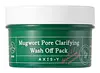
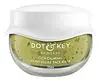
AXIS - Y Mugwort Pore Clarifying Wash Off Pack Versus Dot & Key Skincare Cica Calming Rapid Relief Face Mask
This wash off mask is made with Artemisia Princeps Extract and Kaolin for a rinse-off pore-care boost.
This wash off mask is made with Aloe Barbadensis Leaf Juice and Niacinamide for a rinse-off calming boost.


What's inside
What's inside
 Key Ingredients
Benefits
Concerns
Ingredients Side-by-side
Artemisia Princeps Extract
Skin Conditioning



Kaolin
Abrasive



Dipropylene Glycol
HumectantBentonite
Absorbent
Betaine
Humectant
Phaseolus Angularis Seed Powder
Laminaria Japonica Extract
Skin Protecting
Eclipta Prostrata Leaf Extract
Skin ConditioningAvena Sativa Kernel Extract
Abrasive
Pteris Multifida Extract
Antioxidant
Cynara Scolymus Leaf Extract
Skin ConditioningGlycyrrhiza Uralensis Root Extract
Skin Conditioning
Vigna Radiata Seed Extract
Skin ConditioningHouttuynia Cordata Extract
Skin Conditioning
Cryptomeria Japonica Leaf Extract
HumectantNelumbo Nucifera Leaf Extract
Skin ConditioningHydrogenated Lecithin
Emulsifying
Sodium Hyaluronate
Humectant

1,2-Hexanediol
Skin Conditioning
Methylpropanediol
SolventXanthan Gum
EmulsifyingGlycerin
Humectant
Chromium Oxide Greens
Charcoal Powder
Abrasive
Water
Skin ConditioningBeta-Glucan
Skin Conditioning
Polyquaternium-51
Skin Conditioning
Fructooligosaccharides
Humectant
Allantoin
Skin Conditioning
Hydrolyzed Hyaluronic Acid
Humectant
Butylene Glycol
Humectant
Camellia Sinensis Leaf Powder
Saccharomyces Ferment Filtrate
Humectant

Hydroxyacetophenone
Antioxidant
Ethylhexylglycerin
Skin ConditioningRosmarinus Officinalis Leaf Oil
Masking
Artemisia Princeps Extract, Kaolin, Dipropylene Glycol, Bentonite, Betaine, Phaseolus Angularis Seed Powder, Laminaria Japonica Extract, Eclipta Prostrata Leaf Extract, Avena Sativa Kernel Extract, Pteris Multifida Extract, Cynara Scolymus Leaf Extract, Glycyrrhiza Uralensis Root Extract, Vigna Radiata Seed Extract, Houttuynia Cordata Extract, Cryptomeria Japonica Leaf Extract, Nelumbo Nucifera Leaf Extract, Hydrogenated Lecithin, Sodium Hyaluronate, 1,2-Hexanediol, Methylpropanediol, Xanthan Gum, Glycerin, Chromium Oxide Greens, Charcoal Powder, Water, Beta-Glucan, Polyquaternium-51, Fructooligosaccharides, Allantoin, Hydrolyzed Hyaluronic Acid, Butylene Glycol, Camellia Sinensis Leaf Powder, Saccharomyces Ferment Filtrate, Hydroxyacetophenone, Ethylhexylglycerin, Rosmarinus Officinalis Leaf Oil
Aloe Barbadensis Leaf Juice
Skin Conditioning
Glycerin
Humectant
Centella Asiatica Leaf
Skin Conditioning
Niacinamide
Smoothing



Centella Asiatica Leaf Extract
Skin Conditioning
Camellia Sinensis Leaf Extract
Antimicrobial
Houttuynia Cordata Extract
Skin Conditioning
Artemisia Vulgaris Extract
Skin Conditioning
Mentha Piperita Oil
Masking





Melaleuca Alternifolia Leaf Oil
Antioxidant
PEG-40 Hydrogenated Castor Oil
Emulsifying
Allantoin
Skin Conditioning
Benzophenone-4
UV Absorber
Xanthan Gum
EmulsifyingTocopheryl Acetate
Antioxidant
Panthenol
Skin Conditioning
Triethanolamine
BufferingAcrylates/C10-30 Alkyl Acrylate Crosspolymer
Emulsion StabilisingDisodium EDTA
ChelatingBenzyl Alcohol
Perfuming


Ethylhexylglycerin
Skin ConditioningCI 19140
Cosmetic ColorantCI 42090
Cosmetic ColorantAloe Barbadensis Leaf Juice, Glycerin, Centella Asiatica Leaf, Niacinamide, Centella Asiatica Leaf Extract, Camellia Sinensis Leaf Extract, Houttuynia Cordata Extract, Artemisia Vulgaris Extract, Mentha Piperita Oil, Melaleuca Alternifolia Leaf Oil, PEG-40 Hydrogenated Castor Oil, Allantoin, Benzophenone-4, Xanthan Gum, Tocopheryl Acetate, Panthenol, Triethanolamine, Acrylates/C10-30 Alkyl Acrylate Crosspolymer, Disodium EDTA, Benzyl Alcohol, Ethylhexylglycerin, CI 19140, CI 42090
Reviews
Ingredients Explained
These ingredients are found in both products.
Ingredients higher up in an ingredient list are typically present in a larger amount.
Allantoin is a soothing ingredient known for its protective and moisturizing properties; it's basically a quiet workhorse ingredient you can find in a huge range of cosmetics.
Though it can be derived from the comfrey plant, allantoin is produced synthetically for cosmetic products to ensure purity.
Research shows it can encourage your skin cells to turn over and renew by stimulating keratinocyte and fibroblast proliferation.
It also has mild keratolytic properties to help loosen and shed dead skin cells without being harsh.
Studies also suggest allantoin can help calm inflammation by dialing down some of the chemical signals your skin sends out when it is irritated.
This ingredient is typically used in the 0.1-0.5% range, and the FDA recognizes it as a skin protectant in OTC products up to 2%.
Overall, allantoin is a wonderful addition to most routines; it is stable across a wide pH range (~4-8), works well with other ingredients, and is considered non-sensitizing/non-irritating.
Fun fact: Allantoin is naturally occurring in comfrey root, beets, chamomile, and wheat sprouts. Our bodies even produce it as a byproduct of uric acid metabolism.
Learn more about AllantoinEthylhexylglycerin is created from glycerin. It is a multitasker ingredient that:
The CIR Expert Panel found minimal skin absorption or sensitization of any kind in a safety assessment. Though this ingredient is considered well-tolerated, a small number of cases of allergic dermatitis have been published since 2002. Just be sure to patch test if you are unsure.
Industry-reported use ranges from 8% in rinse-off products and 2% in leave-on formulations.
Learn more about EthylhexylglycerinGlycerin (or glycerol) is a compound naturally found in your skin. It's a powerhouse humectant that pulls water into the stratum corneum.
Topically, glycerin does several things at once:
Your skin makes glycerin on its own (mostly from sebaceous oil breakdown) and shuttles it to your outermost layer of skin, or your epidermis, via aquaporin-3.
Aquaporin-3 is a transporter that is essential for normal skin hydration, elasticity, and repair. Interestingly, mice lacking in AQP3 have dry and less elastic skin that can be fully corrected with glycerin.
This ingredient is non-irritating, plays well with almost every ingredient, and works across all skin types. Typical use is anywhere between 3-10% but can go up to 79% in some leave-on products.
Just know very high concentrations (>40%) can feel tacky in low humidity.
Glycerin is the name for this ingredient in American English. British English uses Glycerol/Glycerine.
Learn more about GlycerinHouttuynia Cordata Extract is more commonly known as Heart Leaf, Fish Mint, or Chameleon plant.
The components found in Heart Leaf give it antioxidant, hydrating, antimicrobial, and anti-inflammatory properties.
Heart Leaf is rich in flavonoids such as quercetin, apigenin, and more. It also contains polysaccharides, the most common type of carbs in food.
Flavonoids have been shown to be effective antioxidants. They help neutralize free-radical molecules. Free-radical molecules are unstable molecules that may damage our skin cells and DNA. The flavonoids in Heart Leaf also help soothe the skin.
Polysaccharides are naturally found in our skin. They play a role in hydrating and repairing the top layer of skin. The polysaccharides in Heart Leaf help moisturize our skin.
Studies show decanoyl acetaldehyde, a component of Heart Leaf oil, is effective at killing bacteria.
The name 'Fish Mint' comes from the herb's natural fishy smell. Is is native to southeast Asia and used throughout the continent for traditional cooking and medicine.
Learn more about Houttuynia Cordata ExtractXanthan gum is used as a stabilizer and thickener within cosmetic products. It helps give products a sticky, thick feeling - preventing them from being too runny.
On the technical side of things, xanthan gum is a polysaccharide - a combination consisting of multiple sugar molecules bonded together.
Xanthan gum is a pretty common and great ingredient. It is a natural, non-toxic, non-irritating ingredient that is also commonly used in food products.
Learn more about Xanthan Gum

