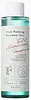
This acne toner is formulated around Centella Asiatica Extract and Gluconolactone to clear breakouts and refine skin texture.
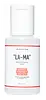
This smoothing toner is formulated around Lactic Acid and Mandelic Acid to refine skin texture and brighten dull-looking skin.


What's inside
What's inside
 Key Ingredients
Benefits
Concerns
Ingredients Side-by-side
Water
Skin ConditioningCentella Asiatica Extract
Cleansing





Aloe Barbadensis Leaf Water
MaskingPropanediol
Solvent
Butylene Glycol
Humectant
Sodium Hyaluronate
Humectant
Hieracium Umbellatum Extract
Skin ConditioningGluconolactone
Chelating




Melaleuca Alternifolia Leaf Extract
Perfuming
Glycolic Acid
Buffering




Betaine
Humectant
Salvia Officinalis Leaf Extract
CleansingHouttuynia Cordata Extract
Skin Conditioning
Ethylhexylglycerin
Skin ConditioningAloe Barbadensis Leaf Extract
Emollient
Dioscorea Japonica Root Extract
Skin Conditioning
Laminaria Japonica Extract
Skin Protecting
Glycerin
Humectant
1,2-Hexanediol
Skin Conditioning
Salicylic Acid
Masking



Sodium Citrate
BufferingIllicium Verum Fruit Extract
Perfuming
Citrus Paradisi Fruit Extract
Skin ConditioningNelumbium Speciosum Flower Extract
Skin ConditioningPaeonia Suffruticosa Root Extract
Skin ProtectingScutellaria Baicalensis Root Extract
Astringent
Arginine
Masking
Saccharum Officinarum Extract
MoisturisingRheum Palmatum Root Extract
Astringent
Artemisia Princeps Extract
Skin Conditioning
Panax Ginseng Root Extract
Emollient
Chlorphenesin
Antimicrobial
PEG-60 Hydrogenated Castor Oil
Emulsifying

Carbomer
Emulsion StabilisingDimethyl Sulfone
SolventLavandula Angustifolia Oil
Masking

Linalool
Perfuming
Melaleuca Alternifolia Leaf Oil
Antioxidant
Water, Centella Asiatica Extract, Aloe Barbadensis Leaf Water, Propanediol, Butylene Glycol, Sodium Hyaluronate, Hieracium Umbellatum Extract, Gluconolactone, Melaleuca Alternifolia Leaf Extract, Glycolic Acid, Betaine, Salvia Officinalis Leaf Extract, Houttuynia Cordata Extract, Ethylhexylglycerin, Aloe Barbadensis Leaf Extract, Dioscorea Japonica Root Extract, Laminaria Japonica Extract, Glycerin, 1,2-Hexanediol, Salicylic Acid, Sodium Citrate, Illicium Verum Fruit Extract, Citrus Paradisi Fruit Extract, Nelumbium Speciosum Flower Extract, Paeonia Suffruticosa Root Extract, Scutellaria Baicalensis Root Extract, Arginine, Saccharum Officinarum Extract, Rheum Palmatum Root Extract, Artemisia Princeps Extract, Panax Ginseng Root Extract, Chlorphenesin, PEG-60 Hydrogenated Castor Oil, Carbomer, Dimethyl Sulfone, Lavandula Angustifolia Oil, Linalool, Melaleuca Alternifolia Leaf Oil
Water
Skin ConditioningButylene Glycol
Humectant
Trehalose
Humectant
Lactic Acid
Buffering
Mandelic Acid
Antimicrobial
Aloe Barbadensis Leaf Juice
Skin Conditioning
Hamamelis Virginiana Leaf Water
Astringent
Phenoxyethanol
Preservative
Hydroxypropyl Methylcellulose
Emulsion StabilisingAllantoin
Skin Conditioning
Sodium Hyaluronate
Humectant
Chondrus Crispus Extract
Skin Conditioning
Hydroxypropyltrimonium Hyaluronate
Hydrolyzed Hyaluronic Acid
Humectant
Sodium Acetylated Hyaluronate
Humectant
Hyaluronic Acid
Humectant
Sodium Hyaluronate Crosspolymer
Humectant
Hydrolyzed Sodium Hyaluronate
Skin Conditioning
Potassium Hyaluronate
Skin ConditioningCaprylyl Glycol
Emollient
Lysine
Skin ConditioningHistidine
Humectant
Arginine
Masking
Aspartic Acid
Masking
Threonine
Serine
Masking
Glutamic Acid
Humectant
Proline
Skin Conditioning
Glycine
Buffering
Alanine
Masking
Valine
MaskingIsoleucine
Skin ConditioningLeucine
Skin ConditioningTyrosine
MaskingPhenylalanine
Masking
Ethylhexylglycerin
Skin ConditioningWater, Butylene Glycol, Trehalose, Lactic Acid, Mandelic Acid, Aloe Barbadensis Leaf Juice, Hamamelis Virginiana Leaf Water, Phenoxyethanol, Hydroxypropyl Methylcellulose, Allantoin, Sodium Hyaluronate, Chondrus Crispus Extract, Hydroxypropyltrimonium Hyaluronate, Hydrolyzed Hyaluronic Acid, Sodium Acetylated Hyaluronate, Hyaluronic Acid, Sodium Hyaluronate Crosspolymer, Hydrolyzed Sodium Hyaluronate, Potassium Hyaluronate, Caprylyl Glycol, Lysine, Histidine, Arginine, Aspartic Acid, Threonine, Serine, Glutamic Acid, Proline, Glycine, Alanine, Valine, Isoleucine, Leucine, Tyrosine, Phenylalanine, Ethylhexylglycerin
Reviews
Ingredients Explained
These ingredients are found in both products.
Ingredients higher up in an ingredient list are typically present in a larger amount.
Arginine is a semi-essential amino acid. This just means our bodies can product a bit on its own, but sometimes needs a little boost from food sources.
It is a part of your skin's natural moisturizing factor (NMF), or the water-loving molecules in your outermost layer of skin (stratum corneum) that keeps everything hydrated and happy.
Here's an interesting thing about Arginine: your skin converts it into urea through the Krebs-Henseleit urea cycle. Urea is one of the most effective humectants your skin naturally produces.
A clinical study showed applying 2.5% arginine hydrochloride to atopic dermatitis skin showed significant urea levels in the stratum corneum and improved moisture in just four weeks.
Arginine is also a precursor to nitric oxide; nitric oxide improves microcirculation and supports wound healing and collagen synthesis.
One study found that an amino acid complex containing Arginine reduced skin irritation, improved hydration, and accelerated skin repair in clinical / in-vivo studies.
Arginine itself is an amino acid and not a fatty acid, oil, or ester. On its own, it's not a direct food source for Malassezia, or the yeast that causes fungal acne.
Learn more about ArginineButylene Glycol (or BG) is used within cosmetic products for a few different reasons:
Overall, Butylene Glycol is a safe and well-rounded ingredient that works well with other ingredients.
Though this ingredient works well with most skin types, some people with sensitive skin may experience a reaction such as allergic rashes, closed comedones, or itchiness.
Learn more about Butylene GlycolEthylhexylglycerin is created from glycerin. It is a multitasker ingredient that:
The CIR Expert Panel found minimal skin absorption or sensitization of any kind in a safety assessment. Though this ingredient is considered well-tolerated, a small number of cases of allergic dermatitis have been published since 2002. Just be sure to patch test if you are unsure.
Industry-reported use ranges from 8% in rinse-off products and 2% in leave-on formulations.
Learn more about EthylhexylglycerinSodium Hyaluronate is the salt form of hyaluronic acid. It is a long sugar chain that is naturally found in your skin, joints, and connective tissue that maintains hydration and elasticity.
In skincare, it works as a humectant. It pulls water from the environment and deeper layers of skin and binds it to the surface.
Interestingly, the size of the molecule affects its behavior:
Some clinical evidence links low molecular weight versions to improved wrinkle depth, elasticity, anti-inflammatory effects, and barrier repair.
Many serums use a blend of both weights so you can get surface hydration plus longer-lasting and deeper effects.
You'll typically see concentrations between 0.1-2% for this ingredient.
Learn more about Sodium HyaluronateWater. It's the most common cosmetic ingredient of all. You'll usually see it at the top of ingredient lists, meaning that it makes up the largest part of the product.
So why is it so popular? Water most often acts as a solvent - this means that it helps dissolve other ingredients into the formulation.
You'll also recognize water as that liquid we all need to stay alive. If you see this, drink a glass of water. Remember to stay hydrated!
Learn more about Water

