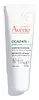
This barrier-repair lip moisturizer is formulated around Butyrospermum Parkii Butter and Glycyrrhetinic Acid to strengthen the lip barrier and hydrate lips.
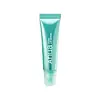
This anti-aging lip moisturizer is formulated around Sodium DNA and Ceramide NP to soften the look of wrinkles and hydrate lips.


What's inside
What's inside
 Key Ingredients
Benefits
Concerns
Ingredients Side-by-side
Ricinus Communis Seed Oil
Masking




Water
Skin ConditioningButyrospermum Parkii Oil
Emollient
Glycerin
Humectant

Simmondsia Chinensis Seed Oil
Emollient
Beeswax
Emulsion Stabilising


Butyrospermum Parkii Butter
Skin Conditioning
Polyglyceryl-2 Dipolyhydroxystearate
Skin Conditioning
Disteardimonium Hectorite
StabilisingMagnesium Sulfate
Aquaphilus Dolomiae Ferment Filtrate
Skin ConditioningArginine
Masking
Benzoic Acid
Masking
Caprylyl Glycol
Emollient
Glycyrrhetinic Acid
Skin Conditioning
Helianthus Annuus Seed Oil
Emollient
Hydroxycapric Acid
Skin ConditioningPentylene Glycol
Skin Conditioning
Tocopherol
Antioxidant




Tromethamine
BufferingXanthan Gum
EmulsifyingZinc Sulfate
Antimicrobial
Ricinus Communis Seed Oil, Water, Butyrospermum Parkii Oil, Glycerin, Simmondsia Chinensis Seed Oil, Beeswax, Butyrospermum Parkii Butter, Polyglyceryl-2 Dipolyhydroxystearate, Disteardimonium Hectorite, Magnesium Sulfate, Aquaphilus Dolomiae Ferment Filtrate, Arginine, Benzoic Acid, Caprylyl Glycol, Glycyrrhetinic Acid, Helianthus Annuus Seed Oil, Hydroxycapric Acid, Pentylene Glycol, Tocopherol, Tromethamine, Xanthan Gum, Zinc Sulfate
Polyisobutene
Diisostearyl Malate
EmollientPolyglyceryl-2 Triisostearate
Emulsifying
Dipentaerythrityl Hexahydroxystearate/Hexastearate/Hexarosinate
Skin ConditioningOctyldodecanol
Emollient
Microcrystalline Wax
Emulsion StabilisingBis-Diglyceryl Polyacyladipate-2
Emollient
Phytosteryl/Isostearyl/Cetyl/Stearyl/Behenyl Dimer Dilinoleate
Skin Conditioning
Polyglyceryl-3 Polyricinoleate
Emulsifying
1,2-Hexanediol
Skin Conditioning
Dextrin Palmitate
Emulsifying
Silica Dimethyl Silylate
EmollientSimmondsia Chinensis Seed Oil
Emollient
Water
Skin ConditioningSynthetic Wax
Abrasive
Pentylene Glycol
Skin Conditioning
Ethylene/Propylene Copolymer
Abrasive
Butylene Glycol
Humectant
Caprylyl Glycol
Emollient
Dimethicone
Emollient
Pentaerythrityl Tetra-Di-T-Butyl Hydroxyhydrocinnamate
Antioxidant
Caprylic/Capric Triglyceride
Masking
Ethylhexylglycerin
Skin ConditioningStearalkonium Hectorite
Gel FormingPolyglyceryl-3 Diisostearate
Emulsifying
Rosa Damascena Flower Extract
Masking
Sodium DNA
Skin Conditioning
Disodium EDTA
ChelatingPanthenol
Skin Conditioning
Glycerin
Humectant
Ceramide NP
Skin Conditioning
Hydrogenated Lecithin
Emulsifying
Hyaluronic Acid
Humectant
Hydrolyzed Collagen
Emollient
Polyisobutene, Diisostearyl Malate, Polyglyceryl-2 Triisostearate, Dipentaerythrityl Hexahydroxystearate/Hexastearate/Hexarosinate, Octyldodecanol, Microcrystalline Wax, Bis-Diglyceryl Polyacyladipate-2, Phytosteryl/Isostearyl/Cetyl/Stearyl/Behenyl Dimer Dilinoleate, Polyglyceryl-3 Polyricinoleate, 1,2-Hexanediol, Dextrin Palmitate, Silica Dimethyl Silylate, Simmondsia Chinensis Seed Oil, Water, Synthetic Wax, Pentylene Glycol, Ethylene/Propylene Copolymer, Butylene Glycol, Caprylyl Glycol, Dimethicone, Pentaerythrityl Tetra-Di-T-Butyl Hydroxyhydrocinnamate, Caprylic/Capric Triglyceride, Ethylhexylglycerin, Stearalkonium Hectorite, Polyglyceryl-3 Diisostearate, Rosa Damascena Flower Extract, Sodium DNA, Disodium EDTA, Panthenol, Glycerin, Ceramide NP, Hydrogenated Lecithin, Hyaluronic Acid, Hydrolyzed Collagen
Reviews
Ingredients Explained
These ingredients are found in both products.
Ingredients higher up in an ingredient list are typically present in a larger amount.
Caprylyl Glycol is a humectant, skin conditioner, emollient, and preservative booster derived from either caprylic acid or synthetically created.
Typical use levels vary from 0.3-1% as a preservative booster and go up to 2% to condition skin.
Because it is not a free-fatty acid, this ingredient is fungal acne safe (there's nothing for Malassezia to feed on).
Learn more about Caprylyl GlycolGlycerin (or glycerol) is a compound naturally found in your skin. It's a powerhouse humectant that pulls water into the stratum corneum.
Topically, glycerin does several things at once:
Your skin makes glycerin on its own (mostly from sebaceous oil breakdown) and shuttles it to your outermost layer of skin, or your epidermis, via aquaporin-3.
Aquaporin-3 is a transporter that is essential for normal skin hydration, elasticity, and repair. Interestingly, mice lacking in AQP3 have dry and less elastic skin that can be fully corrected with glycerin.
This ingredient is non-irritating, plays well with almost every ingredient, and works across all skin types. Typical use is anywhere between 3-10% but can go up to 79% in some leave-on products.
Just know very high concentrations (>40%) can feel tacky in low humidity.
Glycerin is the name for this ingredient in American English. British English uses Glycerol/Glycerine.
Learn more about GlycerinPentylene Glycol (1,2-pentanediol) is a multitasking little diol with three main roles in a formula:
Research on alkanediols (the family pentylene glycol belongs to) show they work by disrupting microbial cell membranes. This disruption helps the primary preservative system in a product work more effectively at lower doses.
On the safety side, the Cosmetic Ingredient Review Expert Panel has concluded this ingredient to be safe as used in current cosmetic practices + concentrations.
Typical use levels in a formula run about 1-5%.
Learn more about Pentylene GlycolJojoba oil is one of the most well-studied plant-derived ingredients in cosmetics. It is an emollient with a special structure.
Because it is made up of 97-98% wax esters, it closely mirrors the linear monoesters found in human sebum. This makes it skin compatible, non-greasy, and lightweight.
Unlike other plant oils, jojoba wax doesn't easily penetrate skin. It mostly works in the uppermost layers as an emollient. This just means it forms a light barrier on the skin to help retain moisture.
Formulations with jojoba esters up to 90% reduced transepidermal water loss (TEWL) and increased barrier recovery by 81% (outperforming bisabolol at 47%).
Besides barrier support, the science also suggests jojoba to have anti-inflammatory effects and potential applications for skin infections, aging, and wound healing.
Fun fact: Indigenous cultures have used jojoba as a moisturizer and to help treat burns for centuries.
Fungal acne: The Malassezia yeast is known to metabolize fatty acids in the C11-24 range and jojoba's dominant fatty acid components fall into this range. This ingredient may not be fungal acne safe.
Learn more about Simmondsia Chinensis Seed OilWater. It's the most common cosmetic ingredient of all. You'll usually see it at the top of ingredient lists, meaning that it makes up the largest part of the product.
So why is it so popular? Water most often acts as a solvent - this means that it helps dissolve other ingredients into the formulation.
You'll also recognize water as that liquid we all need to stay alive. If you see this, drink a glass of water. Remember to stay hydrated!
Learn more about Water

