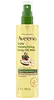
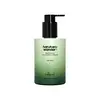
Aveeno Daily Moisturizing Body Oil Mist Versus Haruharu Wonder Black Bamboo Daily Smoothing Body Oil


What's inside
What's inside
 Key Ingredients
Benefits
Concerns
Ingredients Side-by-side


Water
Skin ConditioningGlycerin
Humectant


Helianthus Annuus Seed Oil
Emollient


Caprylic/Capric Triglyceride
Masking
Hydrogenated Polyisobutene
EmollientPotassium Cetyl Phosphate
EmulsifyingDiisostearyl Malate
EmollientUrea
Buffering

Pentaerythrityl Tetraisostearate
Emollient
1,2-Hexanediol
Skin Conditioning
Butylene Glycol
Humectant
Parfum
Masking



Hydroxyacetophenone
Antioxidant
Stearyl Alcohol
Emollient
Cetyl Alcohol
Emollient
Glyceryl Stearate
Emollient
Prunus Amygdalus Dulcis Oil
Skin Conditioning
Squalane
Emollient
Argania Spinosa Kernel Oil
Emollient


Acrylates/C10-30 Alkyl Acrylate Crosspolymer
Emulsion StabilisingXanthan Gum
EmulsifyingCalophyllum Inophyllum Seed Oil
Antimicrobial
Bambusa Vulgaris Water
Skin ConditioningStearic Acid
Cleansing
Ethylhexylglycerin
Skin ConditioningPalmitic Acid
Emollient
Phyllostachys Pubescens Shoot Bark Extract
Skin ConditioningDisodium EDTA
ChelatingTromethamine
BufferingPhyllostachys Nigra Leaf Extract
Skin ConditioningAspergillus Ferment
Skin ConditioningMandelic Acid
Antimicrobial



Myristyl Alcohol
Emollient
Arachidic Acid
Cleansing
Lauryl Alcohol
Emollient
Myristic Acid
Cleansing
Oleic Acid
Emollient
Citronellol
Perfuming
Geraniol
Perfuming
Limonene
Perfuming
Citral
Perfuming
Linalool
Perfuming
Water, Glycerin, Helianthus Annuus Seed Oil, Caprylic/Capric Triglyceride, Hydrogenated Polyisobutene, Potassium Cetyl Phosphate, Diisostearyl Malate, Urea, Pentaerythrityl Tetraisostearate, 1,2-Hexanediol, Butylene Glycol, Parfum, Hydroxyacetophenone, Stearyl Alcohol, Cetyl Alcohol, Glyceryl Stearate, Prunus Amygdalus Dulcis Oil, Squalane, Argania Spinosa Kernel Oil, Acrylates/C10-30 Alkyl Acrylate Crosspolymer, Xanthan Gum, Calophyllum Inophyllum Seed Oil, Bambusa Vulgaris Water, Stearic Acid, Ethylhexylglycerin, Palmitic Acid, Phyllostachys Pubescens Shoot Bark Extract, Disodium EDTA, Tromethamine, Phyllostachys Nigra Leaf Extract, Aspergillus Ferment, Mandelic Acid, Myristyl Alcohol, Arachidic Acid, Lauryl Alcohol, Myristic Acid, Oleic Acid, Citronellol, Geraniol, Limonene, Citral, Linalool
Reviews
Ingredients Explained
These ingredients are found in both products.
Ingredients higher up in an ingredient list are typically present in a larger amount.
Parfum is a catch-all term for an ingredient or more that is used to give a scent to products.
Also called "fragrance", this ingredient can be a blend of hundreds of chemicals or plant oils. This means every product with "fragrance" or "parfum" in the ingredients list is a different mixture.
For instance, Habanolide is a proprietary trade name for a specific aroma chemical. When used as a fragrance ingredient in cosmetics, most aroma chemicals fall under the broad labeling category of “FRAGRANCE” or “PARFUM” according to EU and US regulations.
The term 'parfum' or 'fragrance' is not regulated in many countries. In many cases, it is up to the brand to define this term.
For instance, many brands choose to label themselves as "fragrance-free" because they are not using synthetic fragrances. However, their products may still contain ingredients such as essential oils that are considered a fragrance by INCI standards.
One example is Calendula flower extract. Calendula is an essential oil that still imparts a scent or 'fragrance'.
Depending on the blend, the ingredients in the mixture can cause allergies and sensitivities on the skin. Some ingredients that are known EU allergens include linalool and citronellol.
Parfum can also be used to mask or cover an unpleasant scent.
The bottom line is: not all fragrances/parfum/ingredients are created equally. If you are worried about fragrances, we recommend taking a closer look at an ingredient. And of course, we always recommend speaking with a professional.
Learn more about Parfum

