
What's inside
What's inside
 Key Ingredients
Benefits
Concerns
Ingredients Side-by-side
Water
Skin ConditioningGlycerin
Humectant


Dimethicone
Emollient
Cetearyl Olivate

Avena Sativa Kernel Flour
Abrasive

Sorbitan Olivate
Emulsifying
Polyacrylamide
Synthetic Beeswax
Emulsion Stabilising
Phenoxyethanol
Preservative
C13-14 Isoparaffin
Emollient
Butylene Glycol
Humectant
Dimethicone Crosspolymer
Emulsion Stabilising
Panthenol
Skin Conditioning

Chlorphenesin
Antimicrobial
Dimethiconol
Emollient
Carbomer
Emulsion StabilisingLaureth-7
EmulsifyingChrysanthemum Parthenium Flower/Leaf/Stem Juice
Antioxidant
Ethylhexylglycerin
Skin ConditioningSodium Hydroxide
BufferingAvena Sativa Kernel Extract
Abrasive
Centella Asiatica Extract
Cleansing
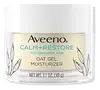
Water, Glycerin, Dimethicone, Cetearyl Olivate, Avena Sativa Kernel Flour, Sorbitan Olivate, Polyacrylamide, Synthetic Beeswax, Phenoxyethanol, C13-14 Isoparaffin, Butylene Glycol, Dimethicone Crosspolymer, Panthenol, Chlorphenesin, Dimethiconol, Carbomer, Laureth-7, Chrysanthemum Parthenium Flower/Leaf/Stem Juice, Ethylhexylglycerin, Sodium Hydroxide, Avena Sativa Kernel Extract, Centella Asiatica Extract
Water
Skin ConditioningHydrogenated Polydecene
EmollientCaprylic/Capric Triglyceride
Masking
Dimethicone
Emollient
Glycerin
Humectant
Butylene Glycol
Humectant
Cetearyl Olivate
Sorbitan Olivate
Emulsifying
Cyclopentasiloxane
Emollient
Marrubium Vulgare Extract
Skin ConditioningHydrolyzed Hyaluronic Acid
Humectant
Olea Europaea Fruit Oil
Masking

Tocopheryl Acetate
Antioxidant

Ascorbyl Palmitate
Antioxidant
Leuconostoc/Radish Root Ferment Filtrate
Antimicrobial
Phospholipids
Skin Conditioning
Isopropyl Lauroyl Sarcosinate
Skin ConditioningCetearyl Alcohol
Emollient

Sodium Polyacrylate
Absorbent
1,2-Hexanediol
Skin Conditioning
Caprylyl Glycol
Emollient
Polymethylsilsesquioxane
Isohexadecane
EmollientGlyceryl Stearate
Emollient
PEG-100 Stearate
Surfactant
Cetearyl Methicone
Skin Conditioning
Phenoxyethanol
Preservative
PEG-40 Stearate
Emulsifying
Steareth-2
EmulsifyingSteareth-21
CleansingRetinyl Palmitate
Skin Conditioning

Linoleic Acid
Cleansing
Lycopene
Antioxidant
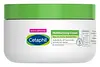
Water, Hydrogenated Polydecene, Caprylic/Capric Triglyceride, Dimethicone, Glycerin, Butylene Glycol, Cetearyl Olivate, Sorbitan Olivate, Cyclopentasiloxane, Marrubium Vulgare Extract, Hydrolyzed Hyaluronic Acid, Olea Europaea Fruit Oil, Tocopheryl Acetate, Ascorbyl Palmitate, Leuconostoc/Radish Root Ferment Filtrate, Phospholipids, Isopropyl Lauroyl Sarcosinate, Cetearyl Alcohol, Sodium Polyacrylate, 1,2-Hexanediol, Caprylyl Glycol, Polymethylsilsesquioxane, Isohexadecane, Glyceryl Stearate, PEG-100 Stearate, Cetearyl Methicone, Phenoxyethanol, PEG-40 Stearate, Steareth-2, Steareth-21, Retinyl Palmitate, Linoleic Acid, Lycopene
Reviews
Ingredients Explained
These ingredients are found in both products.
Ingredients higher up in an ingredient list are typically present in a larger amount.
Butylene Glycol (or BG) is used within cosmetic products for a few different reasons:
Overall, Butylene Glycol is a safe and well-rounded ingredient that works well with other ingredients.
Though this ingredient works well with most skin types, some people with sensitive skin may experience a reaction such as allergic rashes, closed comedones, or itchiness.
Learn more about Butylene GlycolCetearyl Olivate is a plant-derived emulsifier and texture enhancer. It helps keep the oil and water phases from separating so your formulas stay stable.
You'll likely see it combined with Sorbitan Olivate (together sold as the trade name Olivem 1000). This combination generates a liquid crystal structure that closely resemble the lipid organization of the stratum corneum.
These "skin-like" liquid crystals improve skin barrier integrity and promote the delivery of actives into the skin.
This ingredient is well-tolerated and has no significant sensitization data.
Because it is derived from the fatty acids in olive oil, this ingredient may not be fungal acne safe.
Learn more about Cetearyl OlivateDimethicone is a type of synthetic silicone created from natural materials such as quartz. It is also known as polydimethylsiloxane.
What it does:
Dimethicone comes in different viscosities:
Depending on the viscosity, dimethicone has different properties.
Ingredients lists don't always show which type is used, so we recommend reaching out to the brand if you have questions about the viscosity.
This ingredient is unlikely to cause irritation because it does not get absorbed into skin. However, people with silicone allergies should be careful about using this ingredient.
Note: Dimethicone may contribute to pilling. This is because it is not oil or water soluble, so pilling may occur when layered with products. When mixed with heavy oils in a formula, the outcome is also quite greasy.
Learn more about DimethiconeGlycerin (or glycerol) is a compound naturally found in your skin. It's a powerhouse humectant that pulls water into the stratum corneum.
Topically, glycerin does several things at once:
Your skin makes glycerin on its own (mostly from sebaceous oil breakdown) and shuttles it to your outermost layer of skin, or your epidermis, via aquaporin-3.
Aquaporin-3 is a transporter that is essential for normal skin hydration, elasticity, and repair. Interestingly, mice lacking in AQP3 have dry and less elastic skin that can be fully corrected with glycerin.
This ingredient is non-irritating, plays well with almost every ingredient, and works across all skin types. Typical use is anywhere between 3-10% but can go up to 79% in some leave-on products.
Just know very high concentrations (>40%) can feel tacky in low humidity.
Glycerin is the name for this ingredient in American English. British English uses Glycerol/Glycerine.
Learn more about GlycerinPhenoxyethanol is a preservative that has germicide, antimicrobial, and aromatic properties. Studies show that phenoxyethanol can prevent microbial growth. By itself, it has a scent that is similar to that of a rose.
It's often used in formulations along with Caprylyl Glycol to preserve the shelf life of products.
Sorbitan Olivate is created from the fatty acids in olive oil and sorbitol.
This ingredient is an oil in water emulsifier. It helps stabilize a product by preventing oils and waters from separating. Sorbitan Olivate also helps hydrate the skin.
This ingredient is also known as part of Olivem 1000, with Cetearyl Olivate being the other part.
According to a manufacturer, this ingredient helps preserve the natural microbiome of skin. Having a healthy microbiome helps keep our skin healthy and protects against harmful bacteria.
Please note, having a healthy microbiome is different from fungal acne; a healthy microbiome includes small amounts of yeast that normally live on your skin without causing problems.
Fungal acne happens when one type of yeast (Malassezia) grows out of control. This is usually because it's feeding on certain oils or fatty acids. Due to the olive oil base, this ingredient may not be fungal acne safe.
Learn more about Sorbitan OlivateWater. It's the most common cosmetic ingredient of all. You'll usually see it at the top of ingredient lists, meaning that it makes up the largest part of the product.
So why is it so popular? Water most often acts as a solvent - this means that it helps dissolve other ingredients into the formulation.
You'll also recognize water as that liquid we all need to stay alive. If you see this, drink a glass of water. Remember to stay hydrated!
Learn more about Water
