
What's inside
What's inside
 Key Ingredients
Benefits
Concerns
Ingredients Side-by-side
Colloidal Oatmeal 1%
Absorbent


Avena Sativa Kernel Extract
Abrasive


Avena Sativa Kernel Oil
Skin Conditioning

Benzoic Acid
Masking

Benzyl Alcohol
Perfuming



Caprylic/Capric Triglyceride
Masking
Ceramide NP
Skin Conditioning

Cetearyl Alcohol
Emollient


Cetyl Alcohol
Emollient
Citric Acid
Buffering


Dimethicone
Emollient

Dipotassium Phosphate
BufferingEthylhexylglycerin
Skin ConditioningGlycerin
Humectant
Isocetyl Alcohol
Emollient
P-Anisic Acid
Masking
Potassium Phosphate
BufferingSodium Cetearyl Sulfate
Cleansing
Sodium Hydroxide
BufferingStearic Acid
Cleansing
Water
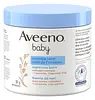
Skin ConditioningColloidal Oatmeal 1%, Avena Sativa Kernel Extract, Avena Sativa Kernel Oil, Benzoic Acid, Benzyl Alcohol, Caprylic/Capric Triglyceride, Ceramide NP, Cetearyl Alcohol, Cetyl Alcohol, Citric Acid, Dimethicone, Dipotassium Phosphate, Ethylhexylglycerin, Glycerin, Isocetyl Alcohol, P-Anisic Acid, Potassium Phosphate, Sodium Cetearyl Sulfate, Sodium Hydroxide, Stearic Acid, Water
Water
Skin ConditioningIsononyl Isononanoate
EmollientPropanediol
Solvent
Ammonium Acryloyldimethyltaurate/Vp Copolymer
Polyacrylamide
Phenoxyethanol
Preservative
Taurine
BufferingC13-14 Isoparaffin
Emollient
Arginine
Masking
Saccharide Isomerate
Humectant
Citric Acid
Buffering
Tocopheryl Acetate
Antioxidant
Laureth-7
EmulsifyingTocopherol
Antioxidant
Bisabolol
Antioxidant
Lespedeza Capitata Leaf/Stem Extract
Skin ConditioningEthylhexylglycerin
Skin ConditioningSodium Phytate
Pentaerythrityl Tetra-Di-T-Butyl Hydroxyhydrocinnamate
Antioxidant
Melia Azadirachta Leaf Extract
Skin ConditioningMelia Azadirachta Flower Extract
Skin ConditioningGlycine
Buffering
Corallina Officinalis Extract
Skin Conditioning
Coccinia Indica Fruit Extract
Skin ConditioningSolanum Melongena Fruit Extract
Skin ConditioningAloe Barbadensis Flower Extract
EmollientSodium Hyaluronate
Humectant
Simmondsia Chinensis Seed Oil
Emollient
Zingiber Officinale Root Extract
Masking
Ocimum Sanctum Leaf Extract
Skin ConditioningOcimum Basilicum Flower/Leaf Extract
TonicCurcuma Longa Root Extract
Masking
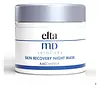
Water, Isononyl Isononanoate, Propanediol, Ammonium Acryloyldimethyltaurate/Vp Copolymer, Polyacrylamide, Phenoxyethanol, Taurine, C13-14 Isoparaffin, Arginine, Saccharide Isomerate, Citric Acid, Tocopheryl Acetate, Laureth-7, Tocopherol, Bisabolol, Lespedeza Capitata Leaf/Stem Extract, Ethylhexylglycerin, Sodium Phytate, Pentaerythrityl Tetra-Di-T-Butyl Hydroxyhydrocinnamate, Melia Azadirachta Leaf Extract, Melia Azadirachta Flower Extract, Glycine, Corallina Officinalis Extract, Coccinia Indica Fruit Extract, Solanum Melongena Fruit Extract, Aloe Barbadensis Flower Extract, Sodium Hyaluronate, Simmondsia Chinensis Seed Oil, Zingiber Officinale Root Extract, Ocimum Sanctum Leaf Extract, Ocimum Basilicum Flower/Leaf Extract, Curcuma Longa Root Extract
Reviews
Ingredients Explained
These ingredients are found in both products.
Ingredients higher up in an ingredient list are typically present in a larger amount.
Citric Acid is an alpha hydroxy acid (AHA) naturally found in citrus fruits like oranges, lemons, and limes.
Like other AHAs, citric acid can exfoliate skin by breaking down the bonds that hold dead skin cells together. This helps reveal smoother and brighter skin underneath.
However, this exfoliating effect only happens at high concentrations (20%) which can be hard to find in cosmetic products.
Due to this, citric acid is usually included in small amounts as a pH adjuster. This helps keep products slightly more acidic and compatible with skin's natural pH.
In skincare formulas, citric acid can:
While it can provide some skin benefits, research shows lactic acid and glycolic acid are generally more effective and less irritating exfoliants.
Most citric acid used in skincare today is made by fermenting sugars (usually from molasses). This synthetic version is identical to the natural citrus form but easier to stabilize and use in formulations.
Read more about some other popular AHA's here:
Learn more about Citric AcidEthylhexylglycerin is created from glycerin. It is a multitasker ingredient that:
The CIR Expert Panel found minimal skin absorption or sensitization of any kind in a safety assessment. Though this ingredient is considered well-tolerated, a small number of cases of allergic dermatitis have been published since 2002. Just be sure to patch test if you are unsure.
Industry-reported use ranges from 8% in rinse-off products and 2% in leave-on formulations.
Learn more about EthylhexylglycerinWater. It's the most common cosmetic ingredient of all. You'll usually see it at the top of ingredient lists, meaning that it makes up the largest part of the product.
So why is it so popular? Water most often acts as a solvent - this means that it helps dissolve other ingredients into the formulation.
You'll also recognize water as that liquid we all need to stay alive. If you see this, drink a glass of water. Remember to stay hydrated!
Learn more about Water
