Aroma-Zone Sérum Concentré Vitamine C 10% & Astaxanthine Versus Paula's Choice 25% Vitamin C + Glutathione Clinical Serum
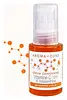
This brightening serum is formulated around Ascorbyl Glucoside and Haematococcus Pluvialis Extract to brighten dull-looking skin and fade the look of dark spots.
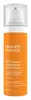
This brightening serum is formulated around Tetrahexyldecyl Ascorbate and Ascorbyl Glucoside to brighten dull-looking skin and fade the look of dark spots.


What's inside
What's inside
 Key Ingredients
Benefits
Concerns
Ingredients Side-by-side
Water
Skin ConditioningAscorbyl Glucoside 10%
Antioxidant




Glycerin
Humectant

Salix Nigra Bark Extract
Skin ProtectingSodium Hydroxide
BufferingSodium Levulinate
Skin ConditioningHaematococcus Pluvialis Extract
Antioxidant
Sodium Hyaluronate
Humectant
Simmondsia Chinensis Seed Oil
Emollient


Astragalus Gummifer Gum
Emulsion StabilisingLevulinic Acid
Perfuming

Sodium Anisate
AntimicrobialPhytic Acid
Chelating
Polyepsilon-Lysine
Skin ConditioningTocopherol
Antioxidant

Helianthus Annuus Seed Oil
Emollient
Water, Ascorbyl Glucoside 10%, Glycerin, Salix Nigra Bark Extract, Sodium Hydroxide, Sodium Levulinate, Haematococcus Pluvialis Extract, Sodium Hyaluronate, Simmondsia Chinensis Seed Oil, Astragalus Gummifer Gum, Levulinic Acid, Sodium Anisate, Phytic Acid, Polyepsilon-Lysine, Tocopherol, Helianthus Annuus Seed Oil
Water
Skin ConditioningTetrahexyldecyl Ascorbate
Antioxidant

Dimethicone
Emollient
Glycerin
Humectant
C9-12 Alkane
SolventAscorbyl Glucoside
Antioxidant
Silica
Abrasive

Pyrus Malus Fruit Extract
Skin Conditioning
Hydrogenated Lecithin
Emulsifying
Polyglyceryl-6 Polyricinoleate
Emulsifying
Acrylates/C10-30 Alkyl Acrylate Crosspolymer
Emulsion StabilisingXanthan Gum
EmulsifyingOryza Sativa Bran Extract
Skin Conditioning
Hydroxyethyl Acrylate/Sodium Acryloyldimethyl Taurate Copolymer
Emulsion StabilisingCetyl Alcohol
Emollient

Caprylyl Glycol
Emollient
Lysine Carboxymethyl Cysteinate
Skin ConditioningCoco-Caprylate/Caprate
Emollient
Tocopherol
Antioxidant
Glutathione
Sodium Citrate
BufferingSodium Phytate
ChelatingHexylene Glycol
EmulsifyingEthylhexylglycerin
Skin ConditioningHelianthus Annuus Seed Extract
Skin Conditioning
Urea
Buffering
Mannitol
Humectant
Caprylic/Capric Triglyceride
Masking
Sodium PCA
Humectant
Rosmarinus Officinalis Leaf Extract
AntimicrobialPolysorbate 60
Emulsifying
Sorbitan Isostearate
Emulsifying
Trehalose
Humectant
Ascorbic Acid
Antioxidant
Glucose
Humectant
Vanilla Planifolia Fruit Extract
Skin Conditioning
Polyquaternium-51
Skin Conditioning
Ergothioneine
Antioxidant
Triacetin
AntimicrobialSodium Hyaluronate
Humectant
Phenoxyethanol
Preservative
Water, Tetrahexyldecyl Ascorbate, Dimethicone, Glycerin, C9-12 Alkane, Ascorbyl Glucoside, Silica, Pyrus Malus Fruit Extract, Hydrogenated Lecithin, Polyglyceryl-6 Polyricinoleate, Acrylates/C10-30 Alkyl Acrylate Crosspolymer, Xanthan Gum, Oryza Sativa Bran Extract, Hydroxyethyl Acrylate/Sodium Acryloyldimethyl Taurate Copolymer, Cetyl Alcohol, Caprylyl Glycol, Lysine Carboxymethyl Cysteinate, Coco-Caprylate/Caprate, Tocopherol, Glutathione, Sodium Citrate, Sodium Phytate, Hexylene Glycol, Ethylhexylglycerin, Helianthus Annuus Seed Extract, Urea, Mannitol, Caprylic/Capric Triglyceride, Sodium PCA, Rosmarinus Officinalis Leaf Extract, Polysorbate 60, Sorbitan Isostearate, Trehalose, Ascorbic Acid, Glucose, Vanilla Planifolia Fruit Extract, Polyquaternium-51, Ergothioneine, Triacetin, Sodium Hyaluronate, Phenoxyethanol
Reviews
Ingredients Explained
These ingredients are found in both products.
Ingredients higher up in an ingredient list are typically present in a larger amount.
Ascorbyl Glucoside (AA-2G) is one of the most stable vitamin C derivatives out there.
It's made by attaching a glucose molecule to ascorbic acid; this glucose "cap" shields the vitamin C from air, light, heat, and metal ions that normally cause pure ascorbic acid to oxidize.
Once on your skin, the enzyme alpha-glucosidase snips off the glucose and gradually releases active ascorbic acid right where it's needed. Basically, it behaves like a slow-release pro-vitamin C with less of a stinging that high-strength ascorbic acid can cause.
The research supports the classic vitamin C benefits as well. In lab and human studies, AA-2G slowed down the skin's production of melanin (the pigment behind dark spots) and helped shield skin cells against sun damage better than ascorbyl phosphate.
These studies also showed AA-2G released vitamin C over a longer period.
A frequently cited manufacturer trial found that a 2% AA-2G face cream significantly improved wrinkle depth and skin roughness after 45 days.
And in 2009, a clinical trial showed it meaningfully lightened dark patches on the gums compared to a placebo.
There's also collagen-synthesis support (since vitamin C is a required cofactor for that) and an antioxidant effect too.
Typical usage is usually between 0.5-5% and most studies/products land around 2%.
AA-2G performs best when formulated at a mildly acidic pH (~5-7) which is much gentler than the pH that pure vitamin C demands (~2.5-3.5).
Just one thing worth knowing: the in-skin conversation rate is only about 55-60% by weight. So a 5% AA-2G product delivers roughly 2.75-3% of actual active vitamin C. On top of that, skin absorption is relatively low because the ingredient is water-soluble.
Learn more about Ascorbyl GlucosideGlycerin (or glycerol) is a compound naturally found in your skin. It's a powerhouse humectant that pulls water into the stratum corneum.
Topically, glycerin does several things at once:
Your skin makes glycerin on its own (mostly from sebaceous oil breakdown) and shuttles it to your outermost layer of skin, or your epidermis, via aquaporin-3.
Aquaporin-3 is a transporter that is essential for normal skin hydration, elasticity, and repair. Interestingly, mice lacking in AQP3 have dry and less elastic skin that can be fully corrected with glycerin.
This ingredient is non-irritating, plays well with almost every ingredient, and works across all skin types. Typical use is anywhere between 3-10% but can go up to 79% in some leave-on products.
Just know very high concentrations (>40%) can feel tacky in low humidity.
Glycerin is the name for this ingredient in American English. British English uses Glycerol/Glycerine.
Learn more about GlycerinSodium Hyaluronate is the salt form of hyaluronic acid. It is a long sugar chain that is naturally found in your skin, joints, and connective tissue that maintains hydration and elasticity.
In skincare, it works as a humectant. It pulls water from the environment and deeper layers of skin and binds it to the surface.
Interestingly, the size of the molecule affects its behavior:
Some clinical evidence links low molecular weight versions to improved wrinkle depth, elasticity, anti-inflammatory effects, and barrier repair.
Many serums use a blend of both weights so you can get surface hydration plus longer-lasting and deeper effects.
You'll typically see concentrations between 0.1-2% for this ingredient.
Learn more about Sodium HyaluronateTocopherol is a fat-soluble antioxidant known as Vitamin E.
You'll find this ingredient in the vast majority of skincare (for good reason). It works to neutralize free radicals, or unstable molecules generated by UV exposure, pollution, and other environmental stressors, before they can cause oxidative damage to your skin cells.
Topically applied tocopherol has been shown to protect against UV damage by ramping up the skin's own natural defense enzymes.
It also acts as a skin conditioning agent; some studies show that regular topical use can improve the skin's water-binding capacity over 2-4 weeks.
This ingredient is especially loved for being a team player. When combined with Vitamin C, the photoprotective effect of both ingredients roughly doubles and the combo also helps reduce UV-induced DNA damage.
This ingredient has some brightening potential but it's more of a prevention ingredient than spot-fader. Cell studies show it can slow down melanin production but it's worth noting that it's not the most powerful brightener out there.
In formulations, it also serves as a stabilizer that helps protect other oxidation-prone ingredients from degrading.
Concentrations usually range from 0.1-1% in most leave-on products.
Learn more about TocopherolWater. It's the most common cosmetic ingredient of all. You'll usually see it at the top of ingredient lists, meaning that it makes up the largest part of the product.
So why is it so popular? Water most often acts as a solvent - this means that it helps dissolve other ingredients into the formulation.
You'll also recognize water as that liquid we all need to stay alive. If you see this, drink a glass of water. Remember to stay hydrated!
Learn more about Water

