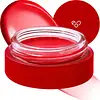
This lip moisturizer is formulated around Bis-Diglyceryl Polyacyladipate-2 to hydrate lips.

What's inside
What's inside
 Key Ingredients
Benefits
Concerns
Ingredients Side-by-side
Hydrogenated Polyisobutene
EmollientBis-Behenyl/Isostearyl/Phytosteryl Dimer Dilinoleyl Dimer Dilinoleate
EmollientPhytosteryl/Isostearyl/Cetyl/Stearyl/Behenyl Dimer Dilinoleate
Skin Conditioning

Bis-Diglyceryl Polyacyladipate-2
Emollient
Diisostearyl Malate
EmollientMicrocrystalline Wax
Emulsion StabilisingPyrus Malus Seed Oil
Emollient
Sucrose Tetrastearate Triacetate
Emollient
Synthetic Fluorphlogopite
Synthetic Wax
Abrasive

Silica Silylate
Emollient
Ethylene/Propylene Copolymer
Abrasive
Polyglyceryl-2 Triisostearate
Emulsifying
Yellow 11
Cosmetic ColorantCI 15850
Cosmetic ColorantPolyglyceryl-2 Diisostearate
Emulsifying
Caprylyl Glycol
Emollient
Glyceryl Caprylate
EmollientCI 19140
Cosmetic ColorantIron Oxides
CI 77891
Cosmetic ColorantCI 45410
Cosmetic ColorantWater
Skin ConditioningButyrospermum Parkii Butter
Skin Conditioning


Helianthus Annuus Seed Oil
Emollient
Hydrolyzed Hyaluronic Acid
Humectant


Maltodextrin
Absorbent
Butylene Glycol
Humectant
Rubus Fruticosus Leaf Extract
MaskingPrunus Avium Fruit Extract
Skin Conditioning1,2-Hexanediol
Skin Conditioning
Rubus Idaeus Fruit Extract
AstringentVaccinium Macrocarpon Fruit Extract
AstringentHydrogenated Polyisobutene, Bis-Behenyl/Isostearyl/Phytosteryl Dimer Dilinoleyl Dimer Dilinoleate, Phytosteryl/Isostearyl/Cetyl/Stearyl/Behenyl Dimer Dilinoleate, Bis-Diglyceryl Polyacyladipate-2, Diisostearyl Malate, Microcrystalline Wax, Pyrus Malus Seed Oil, Sucrose Tetrastearate Triacetate, Synthetic Fluorphlogopite, Synthetic Wax, Silica Silylate, Ethylene/Propylene Copolymer, Polyglyceryl-2 Triisostearate, Yellow 11, CI 15850, Polyglyceryl-2 Diisostearate, Caprylyl Glycol, Glyceryl Caprylate, CI 19140, Iron Oxides, CI 77891, CI 45410, Water, Butyrospermum Parkii Butter, Helianthus Annuus Seed Oil, Hydrolyzed Hyaluronic Acid, Maltodextrin, Butylene Glycol, Rubus Fruticosus Leaf Extract, Prunus Avium Fruit Extract, 1,2-Hexanediol, Rubus Idaeus Fruit Extract, Vaccinium Macrocarpon Fruit Extract
Pentaerythrityl Adipate/Caprate/Caprylate/Heptanoate
EmollientHydrogenated Polyisobutene
EmollientDiisostearyl Malate
EmollientTridecyl Trimellitate
EmollientSynthetic Wax
Abrasive
Bis-Behenyl/Isostearyl/Phytosteryl Dimer Dilinoleyl Dimer Dilinoleate
EmollientPolyglyceryl-2 Triisostearate
Emulsifying
Octyldodecanol
Emollient
Bis-Diglyceryl Polyacyladipate-2
Emollient
Propylene Glycol Dibenzoate
Skin ConditioningTitanium Dioxide
Cosmetic Colorant

Microcrystalline Wax
Emulsion StabilisingSorbitan Sesquioleate
Emulsifying
Polyglyceryl-6 Polyricinoleate
Emulsifying
Pentylene Glycol
Skin Conditioning
Tocopheryl Acetate
Antioxidant


Alumina
Abrasive
Titanium/Titanium Dioxide
Cosmetic ColorantParfum
Masking


Caprylyl Glycol
Emollient
Basic Red 1:1
CI 15985
Cosmetic ColorantCI 45380
Cosmetic ColorantPentaerythrityl Adipate/Caprate/Caprylate/Heptanoate, Hydrogenated Polyisobutene, Diisostearyl Malate, Tridecyl Trimellitate, Synthetic Wax, Bis-Behenyl/Isostearyl/Phytosteryl Dimer Dilinoleyl Dimer Dilinoleate, Polyglyceryl-2 Triisostearate, Octyldodecanol, Bis-Diglyceryl Polyacyladipate-2, Propylene Glycol Dibenzoate, Titanium Dioxide, Microcrystalline Wax, Sorbitan Sesquioleate, Polyglyceryl-6 Polyricinoleate, Pentylene Glycol, Tocopheryl Acetate, Alumina, Titanium/Titanium Dioxide, Parfum, Caprylyl Glycol, Basic Red 1:1, CI 15985, CI 45380
Ingredients Explained
These ingredients are found in both products.
Ingredients higher up in an ingredient list are typically present in a larger amount.
This ingredient is an emollient and skin conditioning agent.
Bis-Diglyceryl Polyacyladipate-2 is a synthetic emollient that works as a lanolin substitute.
This ingredient is a great vegan option for those avoiding animal-derived ingredients.
It mostly stays on the surface of skin where it helps hydrate due to its large molecular size and low water solubility.
Due to it being derived from fatty acids, this ingredient may not be Malassezia or fungal acne safe.
Learn more about Bis-Diglyceryl Polyacyladipate-2Caprylyl Glycol is a humectant, skin conditioner, emollient, and preservative booster derived from either caprylic acid or synthetically created.
Typical use levels vary from 0.3-1% as a preservative booster and go up to 2% to condition skin.
Because it is not a free-fatty acid, this ingredient is fungal acne safe (there's nothing for Malassezia to feed on).
Learn more about Caprylyl GlycolDiisostearyl Malate is an emollient and most often used in lip products. It comes from isostearyl alcohol, a fatty acid, and malic acid, an AHA.
As an emollient, Diisostearyl Malate helps create a thin film on your skin to trap moisture in. This helps keep your skin soft and smooth.
Hydrogenated Polyisobutene is a synthetic polymer. Polymers are compounds with high molecular weight. Hydrogenated Polyisobutene is an emollient and texture enhancer.
In one study, Hydrogenated Polyisobutene showed better skin hydration levels than Caprylic/Capric Triglyceride. As an emollient, it helps keep your skin soft and hydrated by trapping moisture in.
Hydrogenated Polyisobutene is often used as a mineral oil replacement.
Learn more about Hydrogenated PolyisobuteneMicrocrystalline Wax is derived from petroleum through a de-oiling process, then highly refined and purified before use in cosmetics.
In skincare formulations, it is used to improve texture and create a smooth, even consistency. It also helps stabilize products by preventing ingredients from separating.
Polyglyceryl-2 Triisostearate is a plant-derived emulsifier and pigment-dispersing agent with a non-sticky skin feel.
It helps products glide on smoothly and prevents oil and water from separating in a formula, making it suitable for sunscreen and makeup formulations.
The EU inventory of cosmetics has no use restrictions on this ingredient and it is considered well-tolerated.
This ingredient may not be fungal acne safe because it is derived from isostearic acid.
Learn more about Polyglyceryl-2 TriisostearateSynthetic Wax is a manufactured hydrocarbon wax. In formulas, it works as an occlusive emollient that helps reduce water loss and improves the spreadability of products.
Research comparing synthetic wax to traditional mineral-derived products found that formulas containing it perform as well for skin hydration.
It is considered non-comedogenic and vegan-friendly.
This ingredient has a well-established safety record by the CIR Expert Panel for Cosmetic Ingredient Safety.
Synthetic Waxes are straight/branched-chain hydrocarbons with no ester bond or fatty acids. That means there is nothing for the Malassezia yeast to feed on.
Learn more about Synthetic Wax

