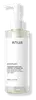
This oil-based makeup remover is made to dissolve makeup, sunscreen, and daily buildup.
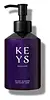
This mild gel cleanser is made to cleanse without leaving your skin tight or dry.


What's inside
What's inside
 Key Ingredients
Benefits
Concerns
Ingredients Side-by-side
Ethylhexyl Palmitate
Emollient




Sorbeth-30 Tetraoleate
Emulsifying
Sorbitan Sesquioleate
Emulsifying
Caprylic/Capric Triglyceride
Masking


Butyl Avocadate
Skin Conditioning
Parfum
Masking


Helianthus Annuus Seed Oil
Emollient
Macadamia Ternifolia Seed Oil
Emollient
Olea Europaea Fruit Oil
Masking
Simmondsia Chinensis Seed Oil
Emollient
Vitis Vinifera Seed Oil
Emollient
Caprylyl Glycol
Emollient
Ethylhexylglycerin
Skin ConditioningCurcuma Longa Root Extract
Antioxidant
Melia Azadirachta Flower Extract
Skin ConditioningTocopherol
Antioxidant



Melia Azadirachta Leaf Extract
Skin ConditioningHouttuynia Cordata Extract
Skin Conditioning
Corallina Officinalis Extract
Skin Conditioning
Melia Azadirachta Bark Extract
AntimicrobialMoringa Oleifera Seed Oil
Emollient
Ocimum Sanctum Leaf Extract
Skin ConditioningEthylhexyl Palmitate, Sorbeth-30 Tetraoleate, Sorbitan Sesquioleate, Caprylic/Capric Triglyceride, Butyl Avocadate, Parfum, Helianthus Annuus Seed Oil, Macadamia Ternifolia Seed Oil, Olea Europaea Fruit Oil, Simmondsia Chinensis Seed Oil, Vitis Vinifera Seed Oil, Caprylyl Glycol, Ethylhexylglycerin, Curcuma Longa Root Extract, Melia Azadirachta Flower Extract, Tocopherol, Melia Azadirachta Leaf Extract, Houttuynia Cordata Extract, Corallina Officinalis Extract, Melia Azadirachta Bark Extract, Moringa Oleifera Seed Oil, Ocimum Sanctum Leaf Extract
Water
Skin ConditioningSodium Methyl Cocoyl Taurate
Cleansing
Sodium Cocoyl Alaninate
Surfactant
Cocamidopropyl Betaine
Cleansing
Glycerin
Humectant
Butylene Glycol Laurate
EmollientPEG-150 Distearate
Emulsifying
Honey
Humectant
Chamomilla Recutita Flower Extract
Masking
Curcuma Longa Root Extract
Antioxidant
PEG-150 Stearate
Surfactant
PEG-120 Methyl Glucose Triisostearate
Butylene Glycol
Humectant
PEG-4
HumectantPolysorbate 20
Emulsifying
Coceth-7
EmulsifyingPPG-1-PEG-9 Lauryl Glycol Ether
EmulsifyingPEG-40 Hydrogenated Castor Oil
Emulsifying
1,2-Hexanediol
Skin Conditioning
Caprylhydroxamic Acid
ChelatingStearic Acid
Cleansing
PEG-150
HumectantPropanediol
Solvent
Caramel
Cosmetic ColorantCitric Acid
Buffering
Hydroxyacetophenone
Antioxidant
Phenoxyethanol
Preservative
Ethylhexylglycerin
Skin ConditioningParfum
Masking
Leptospermum Scoparium Mel
Water, Sodium Methyl Cocoyl Taurate, Sodium Cocoyl Alaninate, Cocamidopropyl Betaine, Glycerin, Butylene Glycol Laurate, PEG-150 Distearate, Honey, Chamomilla Recutita Flower Extract, Curcuma Longa Root Extract, PEG-150 Stearate, PEG-120 Methyl Glucose Triisostearate, Butylene Glycol, PEG-4, Polysorbate 20, Coceth-7, PPG-1-PEG-9 Lauryl Glycol Ether, PEG-40 Hydrogenated Castor Oil, 1,2-Hexanediol, Caprylhydroxamic Acid, Stearic Acid, PEG-150, Propanediol, Caramel, Citric Acid, Hydroxyacetophenone, Phenoxyethanol, Ethylhexylglycerin, Parfum, Leptospermum Scoparium Mel
Reviews
Ingredients Explained
These ingredients are found in both products.
Ingredients higher up in an ingredient list are typically present in a larger amount.
Curcuma Longa Root Extract comes from the rhizome (underground stem) of the turmeric plant.
While the official EU Cosing Database lists this ingredient as a fragrance, it actually does more than give products a scent.
This ingredient contains a group of yellow pigments called curcuminoids (mostly curcumin) that give it genuine antioxidant and anti-inflammatory activity in skin.
Reviews of topical clinical studies have found turmeric/curcumin to be generally well-tolerated and useful across conditions like eczema and mild inflammation.
One thing working in its favor is that curcumin barely penetrates; in lab skin-permeation testing, the curcuminoids mostly stayed in the outermost layer of skin. This is a good thing because its soothing and antioxidant activity is a surface-level job anyway.
At this time, industry data shows there's no single "correct" cosmetic percentage. It's used across a wide range depending on the product and varies from tiny fractions of a percent up to a few percent.
Allergy-wise, curcumin is a documented (but uncommon) contact allergen. It can also cross react with related plants, so anyone with a turmeric/ginger/cinnamon allergy or reactive skin should patch test first.
Learn more about Curcuma Longa Root ExtractEthylhexylglycerin is created from glycerin. It is a multitasker ingredient that:
The CIR Expert Panel found minimal skin absorption or sensitization of any kind in a safety assessment. Though this ingredient is considered well-tolerated, a small number of cases of allergic dermatitis have been published since 2002. Just be sure to patch test if you are unsure.
Industry-reported use ranges from 8% in rinse-off products and 2% in leave-on formulations.
Learn more about EthylhexylglycerinParfum is a catch-all term for an ingredient or more that is used to give a scent to products.
Also called "fragrance", this ingredient can be a blend of hundreds of chemicals or plant oils. This means every product with "fragrance" or "parfum" in the ingredients list is a different mixture.
For instance, Habanolide is a proprietary trade name for a specific aroma chemical. When used as a fragrance ingredient in cosmetics, most aroma chemicals fall under the broad labeling category of “FRAGRANCE” or “PARFUM” according to EU and US regulations.
The term 'parfum' or 'fragrance' is not regulated in many countries. In many cases, it is up to the brand to define this term.
For instance, many brands choose to label themselves as "fragrance-free" because they are not using synthetic fragrances. However, their products may still contain ingredients such as essential oils that are considered a fragrance by INCI standards.
One example is Calendula flower extract. Calendula is an essential oil that still imparts a scent or 'fragrance'.
Depending on the blend, the ingredients in the mixture can cause allergies and sensitivities on the skin. Some ingredients that are known EU allergens include linalool and citronellol.
Parfum can also be used to mask or cover an unpleasant scent.
The bottom line is: not all fragrances/parfum/ingredients are created equally. If you are worried about fragrances, we recommend taking a closer look at an ingredient. And of course, we always recommend speaking with a professional.
Learn more about Parfum

