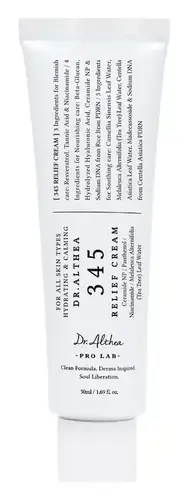
Anua Heartleaf 70 Daily Lotion Versus La Roche-Posay Toleriane Double Repair Matte Moisturizer UV SPF 30
This calming moisturizer is formulated around Sodium Hyaluronate and Beta-Glucan to calm redness and hydrate skin.
This chemical sunscreen covers most of the UV range, lighter on the deep UVA that drives aging.


What's inside
What's inside
 Key Ingredients
Benefits
Concerns
Ingredients Side-by-side
Houttuynia Cordata Flower/Leaf/Stem Water
Antimicrobial
Glycerin
Humectant


Water
Skin ConditioningEthylhexyl Stearate
Emollient




1,2-Hexanediol
Skin Conditioning
Glyceryl Stearate Citrate
Emollient
Methylpropanediol
SolventButylene Glycol
Humectant
Cynanchum Atratum Extract
Skin ConditioningFraxinus Rhynchophylla Extract
Skin ConditioningOcimum Basilicum Flower/Leaf/Stem Extract
TonicAlthaea Rosea Flower Extract
Skin ConditioningSodium Hyaluronate
Humectant


Methyl Trimethicone
Skin Conditioning
Pentylene Glycol
Skin Conditioning
Hydrogenated Poly(C6-14 Olefin)
EmollientAmmonium Acryloyldimethyltaurate/Vp Copolymer
Glyceryl Stearate
Emollient
Polyglyceryl-3 Distearate
Emulsifying
Betaine
Humectant
Glyceryl Glucoside
Humectant
Hydrogenated Lecithin
Emulsifying
Tromethamine
BufferingEthylhexylglycerin
Skin ConditioningSodium Stearoyl Glutamate
CleansingSodium Phytate
ChelatingBeta-Glucan
Skin Conditioning
Tocopherol
Antioxidant


Sodium Acetylated Hyaluronate
Humectant
Carbomer
Emulsion StabilisingHouttuynia Cordata Flower/Leaf/Stem Water, Glycerin, Water, Ethylhexyl Stearate, 1,2-Hexanediol, Glyceryl Stearate Citrate, Methylpropanediol, Butylene Glycol, Cynanchum Atratum Extract, Fraxinus Rhynchophylla Extract, Ocimum Basilicum Flower/Leaf/Stem Extract, Althaea Rosea Flower Extract, Sodium Hyaluronate, Methyl Trimethicone, Pentylene Glycol, Hydrogenated Poly(C6-14 Olefin), Ammonium Acryloyldimethyltaurate/Vp Copolymer, Glyceryl Stearate, Polyglyceryl-3 Distearate, Betaine, Glyceryl Glucoside, Hydrogenated Lecithin, Tromethamine, Ethylhexylglycerin, Sodium Stearoyl Glutamate, Sodium Phytate, Beta-Glucan, Tocopherol, Sodium Acetylated Hyaluronate, Carbomer
Butyl Methoxydibenzoylmethane 3%
UV Absorber
Homosalate 5%
Skin Conditioning
Ethylhexyl Salicylate 5%
UV Absorber
Octocrylene 7.2%
UV Absorber
Water
Skin ConditioningGlycerin
Humectant
Dimethicone
Emollient
Silica
Abrasive


Niacinamide
Smoothing


Glyceryl Stearate
Emollient
PEG-100 Stearate
Surfactant
Pentylene Glycol
Skin Conditioning
Dicaprylyl Carbonate
EmollientSteareth-100
Gel FormingStearic Acid
Cleansing
Ceramide NP
Skin Conditioning
Dimethicone/Vinyl Dimethicone Crosspolymer
Skin Conditioning
Myristic Acid
Cleansing
Perlite
Absorbent
Palmitic Acid
Emollient
Ammonium Polyacryloyldimethyl Taurate
Emulsion StabilisingCapryloyl Salicylic Acid
Exfoliating
Caprylyl Glycol
Emollient
Citric Acid
Buffering
Trisodium Ethylenediamine Disuccinate
ChelatingXanthan Gum
EmulsifyingTocopherol
Antioxidant
Phenoxyethanol
Preservative
Butyl Methoxydibenzoylmethane 3%, Homosalate 5%, Ethylhexyl Salicylate 5%, Octocrylene 7.2%, Water, Glycerin, Dimethicone, Silica, Niacinamide, Glyceryl Stearate, PEG-100 Stearate, Pentylene Glycol, Dicaprylyl Carbonate, Steareth-100, Stearic Acid, Ceramide NP, Dimethicone/Vinyl Dimethicone Crosspolymer, Myristic Acid, Perlite, Palmitic Acid, Ammonium Polyacryloyldimethyl Taurate, Capryloyl Salicylic Acid, Caprylyl Glycol, Citric Acid, Trisodium Ethylenediamine Disuccinate, Xanthan Gum, Tocopherol, Phenoxyethanol
Reviews
Ingredients Explained
These ingredients are found in both products.
Ingredients higher up in an ingredient list are typically present in a larger amount.
Glycerin (or glycerol) is a compound naturally found in your skin. It's a powerhouse humectant that pulls water into the stratum corneum.
Topically, glycerin does several things at once:
Your skin makes glycerin on its own (mostly from sebaceous oil breakdown) and shuttles it to your outermost layer of skin, or your epidermis, via aquaporin-3.
Aquaporin-3 is a transporter that is essential for normal skin hydration, elasticity, and repair. Interestingly, mice lacking in AQP3 have dry and less elastic skin that can be fully corrected with glycerin.
This ingredient is non-irritating, plays well with almost every ingredient, and works across all skin types. Typical use is anywhere between 3-10% but can go up to 79% in some leave-on products.
Just know very high concentrations (>40%) can feel tacky in low humidity.
Glycerin is the name for this ingredient in American English. British English uses Glycerol/Glycerine.
Learn more about GlycerinGlyceryl Stearate is made by reacting glycerin with stearic acid (typically sourced from plant oils like palm or coconut). It's an emulsifier, emollient, and mild occlusive.
Emulsifiers help ingredients like oil and water stay mixed so your formula stays nicely blended and uniform in texture.
This ingredient is typically used in concentrations between 1-10%. Studies have found it to be non-sensitizing, non-phototoxic, and non-photoallergenic.
A close cousin of this ingredient is Glyceryl Stearate SE ("self-emulsifying"). This just has a small amount of sodium or potassium stearate added so it can emulsify without a co-emulsifier.
Since this ingredient is an ester of a C18 fatty acid, it may not be fungal acne safe. The Malassezia yeast can potentially metabolize within the C11-C24 range.
Fun fact: The human body also creates Glyceryl Stearate naturally.
Learn more about Glyceryl StearatePentylene Glycol (1,2-pentanediol) is a multitasking little diol with three main roles in a formula:
Research on alkanediols (the family pentylene glycol belongs to) show they work by disrupting microbial cell membranes. This disruption helps the primary preservative system in a product work more effectively at lower doses.
On the safety side, the Cosmetic Ingredient Review Expert Panel has concluded this ingredient to be safe as used in current cosmetic practices + concentrations.
Typical use levels in a formula run about 1-5%.
Learn more about Pentylene GlycolTocopherol is a fat-soluble antioxidant known as Vitamin E.
You'll find this ingredient in the vast majority of skincare (for good reason). It works to neutralize free radicals, or unstable molecules generated by UV exposure, pollution, and other environmental stressors, before they can cause oxidative damage to your skin cells.
Topically applied tocopherol has been shown to protect against UV damage by ramping up the skin's own natural defense enzymes.
It also acts as a skin conditioning agent; some studies show that regular topical use can improve the skin's water-binding capacity over 2-4 weeks.
This ingredient is especially loved for being a team player. When combined with Vitamin C, the photoprotective effect of both ingredients roughly doubles and the combo also helps reduce UV-induced DNA damage.
This ingredient has some brightening potential but it's more of a prevention ingredient than spot-fader. Cell studies show it can slow down melanin production but it's worth noting that it's not the most powerful brightener out there.
In formulations, it also serves as a stabilizer that helps protect other oxidation-prone ingredients from degrading.
Concentrations usually range from 0.1-1% in most leave-on products.
Learn more about TocopherolWater. It's the most common cosmetic ingredient of all. You'll usually see it at the top of ingredient lists, meaning that it makes up the largest part of the product.
So why is it so popular? Water most often acts as a solvent - this means that it helps dissolve other ingredients into the formulation.
You'll also recognize water as that liquid we all need to stay alive. If you see this, drink a glass of water. Remember to stay hydrated!
Learn more about Water