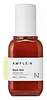
This brightening ampoule is formulated around Niacinamide and Gluconolactone to fade the look of dark spots and refine skin texture.
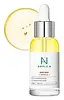
This acne ampoule is formulated around Propolis Extract and Dipotassium Glycyrrhizate to clear breakouts and calm redness.

What's inside
What's inside
 Key Ingredients
Benefits
Concerns
Ingredients Side-by-side
Water
Skin ConditioningNiacinamide
Smoothing











Glycerin
Humectant
Dipropylene Glycol
HumectantCaprylic/Capric Triglyceride
Masking
Gluconolactone
Chelating
Propanediol
Solvent
Ascorbyl Tetraisopalmitate
Antioxidant



Adenosine
Skin Conditioning
Capryloyl Salicylic Acid
Exfoliating
Panthenol
Skin Conditioning
Eriobotrya Japonica Leaf Extract
Skin ConditioningMadecassoside
Antioxidant
Mentha Viridis Extract
MaskingHippophae Rhamnoides Fruit Extract
Skin Conditioning
Aureobasidium Pullulans Ferment
Skin ConditioningHexylresorcinol
Antimicrobial
Betaine
Humectant
Cetearyl Olivate
Hydroxyethyl Acrylate/Sodium Acryloyldimethyl Taurate Copolymer
Emulsion StabilisingPolyacrylate Crosspolymer-6
Emulsion StabilisingSorbitan Olivate
Emulsifying
Caprylyl Glycol
Emollient
Xanthan Gum
EmulsifyingTromethamine
BufferingAcrylates/C10-30 Alkyl Acrylate Crosspolymer
Emulsion Stabilising1,2-Hexanediol
Skin Conditioning
Glucosylrutin
Antioxidant
Disodium EDTA
ChelatingEthylhexylglycerin
Skin ConditioningWater, Niacinamide, Glycerin, Dipropylene Glycol, Caprylic/Capric Triglyceride, Gluconolactone, Propanediol, Ascorbyl Tetraisopalmitate, Adenosine, Capryloyl Salicylic Acid, Panthenol, Eriobotrya Japonica Leaf Extract, Madecassoside, Mentha Viridis Extract, Hippophae Rhamnoides Fruit Extract, Aureobasidium Pullulans Ferment, Hexylresorcinol, Betaine, Cetearyl Olivate, Hydroxyethyl Acrylate/Sodium Acryloyldimethyl Taurate Copolymer, Polyacrylate Crosspolymer-6, Sorbitan Olivate, Caprylyl Glycol, Xanthan Gum, Tromethamine, Acrylates/C10-30 Alkyl Acrylate Crosspolymer, 1,2-Hexanediol, Glucosylrutin, Disodium EDTA, Ethylhexylglycerin
Propolis Extract 45%
Skin Conditioning
Water
Skin ConditioningButylene Glycol
Humectant
Propanediol
Solvent
Octyldodeceth-16
Emulsifying1,2-Hexanediol
Skin Conditioning
Chamomilla Recutita Flower Extract
Masking
Glycyrrhiza Glabra Root Extract
Bleaching
Centella Asiatica Extract
Cleansing
Arginine
Masking
Gaultheria Procumbens Leaf Extract
Perfuming
Glycine Soja Sprout Extract
EmollientDipotassium Glycyrrhizate
Humectant
Madecassoside
Antioxidant
Capryloyl Salicylic Acid
Exfoliating
Adenosine
Skin Conditioning
Melia Azadirachta Leaf Extract
Skin ConditioningMelia Azadirachta Flower Extract
Skin ConditioningCurcuma Longa Root Extract
Antioxidant
Disodium EDTA
ChelatingSodium Metaphosphate
BufferingMelaleuca Alternifolia Leaf Oil
Antioxidant



Ocimum Sanctum Leaf Extract
Skin ConditioningCorallina Officinalis Extract
Skin Conditioning
Hydrolyzed Chitosan
Skin ConditioningPropolis Extract 45%, Water, Butylene Glycol, Propanediol, Octyldodeceth-16, 1,2-Hexanediol, Chamomilla Recutita Flower Extract, Glycyrrhiza Glabra Root Extract, Centella Asiatica Extract, Arginine, Gaultheria Procumbens Leaf Extract, Glycine Soja Sprout Extract, Dipotassium Glycyrrhizate, Madecassoside, Capryloyl Salicylic Acid, Adenosine, Melia Azadirachta Leaf Extract, Melia Azadirachta Flower Extract, Curcuma Longa Root Extract, Disodium EDTA, Sodium Metaphosphate, Melaleuca Alternifolia Leaf Oil, Ocimum Sanctum Leaf Extract, Corallina Officinalis Extract, Hydrolyzed Chitosan
Reviews
Ingredients Explained
These ingredients are found in both products.
Ingredients higher up in an ingredient list are typically present in a larger amount.
1,2-Hexanediol is a synthetic liquid and another multi-functional powerhouse.
It is a:
- Humectant, drawing moisture into the skin
- Emollient, helping to soften skin
- Solvent, dispersing and stabilizing formulas
- Preservative booster, enhancing the antimicrobial activity of other preservatives
Adenosine is a purine nucleoside that your body already makes in every cell. In skincare, it acts mainly as a skin conditioning and anti-aging agent.
The way it works is fairly well mapped out:
Your skin has cells called fibroblasts that build collagen (the stuff that keeps skin firm and smooth). Adenosine basically flips a switch on these cells that tells them to get to work making more collagen and other proteins. These cells slow down on their own as skin ages, so Adenosine helps give them a little nudge to keep going.
The clinical backing is pretty solid too.
A blind, randomized, placebo-controlled trial of 126 women aged 45-65 tested a 0.1% cream twice daily and found real improvements in crow's feet and frown lines using a precise 3D skin-mapping technique; these changes showed up by week 3 and held at 2 months.
A later study using Adenosine-loaded dissolving microneedle patches reported gains in wrinkle depth, dermal density, elasticity, and hydration.
On concentrations, South Korea's Ministry of Food and Drug Safety has set 0.04% as the approved functional anti-wrinkle level. You'll typically see this ingredient used somewhere in the 0.04-0.1% range since it works at low doses.
This ingredient has been found safe for cosmetics with the data showing no irritation or sensitization.
Overall, this is a great ingredient for any anti-aging routine and has no photosensitizing effect, so it suits both AM and PM use.
Learn more about AdenosineCapryloyl Salicylic Acid comes from salicylic acid, the famous acne-fighting BHA.
It usually goes by a more common name of LHA, or lipohydroxy acid.
Like salicylic acid, this ingredient is a chemical exfoliant that can help break down the oil in your pores and reduce inflammation.
Though studies for LHA do show it to be less effective than salicylic acid. To be fair, salicylic acid is the reigning monarch of acne treatments.
However, a study from 2009 found LHA to be comparable to BPO, making it a good alternative for people with sensitive skin. Another study of 14 patients found a significant decrease in comedones after using LHA.
Another pro of LHA? It is less irritating than salicylic acid due to its large molecule size.
Large molecules cannot penetrate skin as well, so they are gentler on the skin. LHA is much less penetrative than salicylic acid.
An in-vitro study (not done on a living organism) found only 6% of LHA penetrated past the statum corneum compared to 58% of salicylic acid. An in-vivo (done on a living organism) analysis revealed ~17% of LHA was still present in the top layer of skin after 4 days, versus ~9% of salicylic acid.
Interestingly, a study from 2008 found LHA comparable to another famous acid, glycolic acid.
This study found about 10% of LHA is as effective as 20-50% of glycolic acid in treating hyperpigmentation and fine-lines.
Hydroxy acids have been found to stimulate skin protein, lipids, and thermal thickening. This may have anti-aging benefits.
Learn more about Capryloyl Salicylic AcidDisodium EDTA is a chelating agent. It grabs onto and deactivates metal ions that sneak into your products from water, packaging, or air.
This ingredient mainly works behind the scenes and helps with:
On top of that, this ingredient can counteract the effects of hard water by binding to the minerals in it.
One thing worth knowing is that Disodium EDTA has been shown to be a mild penetration enhancer. It can help other ingredients absorb into skin more effectively which can be a double-edged sword (great for actives, but can also make the active too strong if you have sensitive skin).
Clinical patch testing showed no significant skin irritation at typical use concentrations and minimal dermal absorption.
You'll most likely see this ingredient near the end of an ingredient list. It's typically found in concentrations less than 1%.
Learn more about Disodium EDTAMadecassoside is one of four active compounds found in Centella asiatica and is one of the main reasons Centella is so effective at calming irritated skin and supporting the moisture barrier.
There's a solid body of peer-reviewed research backing Madecassoside for several skin benefits. Studies have found:
Madecassoside pairs well with other hydrating or antioxidant ingredients like Ascorbic Acid or Hyaluronic Acid.
Learn more about MadecassosidePropanediol is an all-star ingredient. It softens, hydrates, and smooths the skin.
It’s often used to:
Propanediol is not likely to cause sensitivity and considered safe to use. It is derived from corn or petroleum with a clear color and no scent.
Learn more about PropanediolWater. It's the most common cosmetic ingredient of all. You'll usually see it at the top of ingredient lists, meaning that it makes up the largest part of the product.
So why is it so popular? Water most often acts as a solvent - this means that it helps dissolve other ingredients into the formulation.
You'll also recognize water as that liquid we all need to stay alive. If you see this, drink a glass of water. Remember to stay hydrated!
Learn more about Water

