
What's inside
What's inside
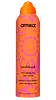 Key Ingredients
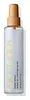
No key ingredients
Benefits
Concerns
Ingredients Side-by-side
Dimethyl Ether
SolventWater
Skin ConditioningAlcohol Denat.
Antimicrobial




Sr-(Wasp Spider Polypeptide-1 Oligopeptide-178)
Skin Conditioning
Simmondsia Chinensis Seed Oil
Emollient




Astrocaryum Murumuru Seed Butter
Emollient
Hippophae Rhamnoides Fruit/Seed Oil
Antimicrobial
Diospyros Kaki Fruit Extract
Skin ConditioningCrambe Abyssinica Seed Oil
Skin Conditioning
Persea Gratissima Oil
Skin Conditioning
Helianthus Annuus Seed Oil
Emollient
Ximenia Americana Seed Oil
Emollient
Theobroma Cacao Extract
Skin ConditioningMusa Sapientum Fruit Extract
Skin ConditioningAnanas Sativus Fruit Extract
Skin ConditioningBiosaccharide Gum-4
Skin Conditioning
Behentrimonium Chloride
Preservative
Cetearyl Alcohol
Emollient


Tocopherol
Antioxidant





Ethyl Linoleate
Emollient

Ethyl Oleate
Emollient
Caprylyl Glycol
Emollient
Pentylene Glycol
Skin Conditioning
Propanediol
Solvent
Ethylhexylglycerin
Skin Conditioning1,2-Hexanediol
Skin Conditioning
Butylene Glycol
Humectant
Sodium Benzoate
Masking
Potassium Sorbate
Preservative
Pentaerythrityl Tetra-Di-T-Butyl Hydroxyhydrocinnamate
Antioxidant
Parfum
Masking
Benzyl Benzoate
Antimicrobial
Hydroxycitronellal
Perfuming
Limonene
Perfuming
Citronellol
Perfuming
Coumarin
Perfuming
Tetramethyl Acetyloctahydronaphthalenes
Masking
Vanillin
Masking
Dimethyl Ether, Water, Alcohol Denat., Sr-(Wasp Spider Polypeptide-1 Oligopeptide-178), Simmondsia Chinensis Seed Oil, Astrocaryum Murumuru Seed Butter, Hippophae Rhamnoides Fruit/Seed Oil, Diospyros Kaki Fruit Extract, Crambe Abyssinica Seed Oil, Persea Gratissima Oil, Helianthus Annuus Seed Oil, Ximenia Americana Seed Oil, Theobroma Cacao Extract, Musa Sapientum Fruit Extract, Ananas Sativus Fruit Extract, Biosaccharide Gum-4, Behentrimonium Chloride, Cetearyl Alcohol, Tocopherol, Ethyl Linoleate, Ethyl Oleate, Caprylyl Glycol, Pentylene Glycol, Propanediol, Ethylhexylglycerin, 1,2-Hexanediol, Butylene Glycol, Sodium Benzoate, Potassium Sorbate, Pentaerythrityl Tetra-Di-T-Butyl Hydroxyhydrocinnamate, Parfum, Benzyl Benzoate, Hydroxycitronellal, Limonene, Citronellol, Coumarin, Tetramethyl Acetyloctahydronaphthalenes, Vanillin
Isododecane
EmollientEthylhexyl Palmitate
Emollient
C13-15 Alkane
SolventCrambe Abyssinica Seed Oil Phytosterol Esters
Emulsifying
Castor/Olive Oil Esters
Emollient
Plumeria Acutifolia Flower Extract
Skin ConditioningPentaclethra Macroloba Seed Oil/Behenic Acid/Aminopropanediol Amides/Esters
Emollient
Dicaprylyl Ether
Emollient
Phenoxyethanol
Preservative
Ethylhexyl Methoxycinnamate
UV Absorber

Parfum
Masking
Benzyl Benzoate
Antimicrobial
Hexyl Cinnamal
Perfuming
Amyl Cinnamal
Perfuming
Hydroxycitronellal
Perfuming
Linalool
Perfuming
Citronellol
Perfuming
Limonene
Perfuming
Coumarin
Perfuming
Isododecane, Ethylhexyl Palmitate, C13-15 Alkane, Crambe Abyssinica Seed Oil Phytosterol Esters, Castor/Olive Oil Esters, Plumeria Acutifolia Flower Extract, Pentaclethra Macroloba Seed Oil/Behenic Acid/Aminopropanediol Amides/Esters, Dicaprylyl Ether, Phenoxyethanol, Ethylhexyl Methoxycinnamate, Parfum, Benzyl Benzoate, Hexyl Cinnamal, Amyl Cinnamal, Hydroxycitronellal, Linalool, Citronellol, Limonene, Coumarin
Ingredients Explained
These ingredients are found in both products.
Ingredients higher up in an ingredient list are typically present in a larger amount.
Benzyl Benzoate is usually created from the condensation of benzoic acid and benzyl alcohol. It is used as a preservative, solvent, and has a floral/balsamic scent in large amounts.
As a preservative, Benzyl Benzoate works against bacteria and fungus. It is often used to treat scabies and lice in medicine.
Solvents are used to keep ingredients together in a product. They can help dissolve ingredients to stable bases or help evenly distribute ingredients throughout the product.
Due to its fragrance, Benzyl Benzoate can be sensitizing and may cause contact dermatitis. It is a known EU allergen. We recommend speaking with a professional if you have any concerns.
Benzyl Benzoate can be naturally found in cranberries and peaches.
Learn more about Benzyl BenzoateCitronellol is used to add fragrance/parfum to a product. It is often derived from plants such as roses. In fact, it can be found in many essential oils including geranium, lavender, neroli, and more. The scent of Citronellol is often described as "fresh, grassy, and citrus-like".
Since the Citronellol molecule is already unstable, Citronellol becomes irritating on the skin when exposed to air.
Citronellol is a modified terpene. Terpenes are unsaturated hydrocarbons found in plants. They make up the primary part of essential oils.
Citronellol is not able to be absorbed into deeper layers of the skin. It has low permeability,
Citronellol is also a natural insect repellent.
Learn more about CitronellolCoumarins are a group of substances found naturally in plants. There are over 1300 types of coumarins identified. It has a natural vanilla scent.
Coumarin is an identified EU known allergy, meaning it may cause an allergic reaction when applied to the skin.
In many countries, coumarin is banned as a food additive. However, it can be found in soaps, tobacco products, and some alcohol drinks.
Plants use coumarins as a chemical defense. Some plants that have coumarins include lavender, tonka beans, and yellow clovers.
Learn more about CoumarinHydroxycitronellal is a fragrance created from citronellal. The smell of hydroxycitronellal is often described as "citrus-like" or "melon-like".
Hydroxycitronellal is a known EU allergen and may cause irritation when applied to the skin.
Limonene is the compound that gives citrus peel its smell.
In skincare, it shows up as a standalone fragrance ingredient or as a natural compound of citrus and other essential oils.
You'll typically see this ingredient used in very small amounts; anything above 0.001% in a leave-on product or 0.01% in a rinse-off has to be named on the label in the EU. The citrus oils that carry it sit around 0.5-1% in a finished formula.
Fresh limonene is a weak allergen; the real issue is that it slowly reacts with air and then breaks down from oxidation to create hydroperoxides (which are strong sensitizers). This is why suppliers are required to keep the peroxide value below 20 mmol.
Positive reactions in people being investigated for eczema vary:
It's worth skipping if you have a known fragrance allergy or a compromised barrier, but the risk is low for most people.
Older or long-opened products are also more likely to bother you than fresh ones due to oxidation.
Learn more about LimoneneParfum is a catch-all term for an ingredient or more that is used to give a scent to products.
Also called "fragrance", this ingredient can be a blend of hundreds of chemicals or plant oils. This means every product with "fragrance" or "parfum" in the ingredients list is a different mixture.
For instance, Habanolide is a proprietary trade name for a specific aroma chemical. When used as a fragrance ingredient in cosmetics, most aroma chemicals fall under the broad labeling category of “FRAGRANCE” or “PARFUM” according to EU and US regulations.
The term 'parfum' or 'fragrance' is not regulated in many countries. In many cases, it is up to the brand to define this term.
For instance, many brands choose to label themselves as "fragrance-free" because they are not using synthetic fragrances. However, their products may still contain ingredients such as essential oils that are considered a fragrance by INCI standards.
One example is Calendula flower extract. Calendula is an essential oil that still imparts a scent or 'fragrance'.
Depending on the blend, the ingredients in the mixture can cause allergies and sensitivities on the skin. Some ingredients that are known EU allergens include linalool and citronellol.
Parfum can also be used to mask or cover an unpleasant scent.
The bottom line is: not all fragrances/parfum/ingredients are created equally. If you are worried about fragrances, we recommend taking a closer look at an ingredient. And of course, we always recommend speaking with a professional.
Learn more about Parfum

