
What's inside
What's inside
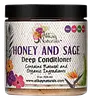 Key Ingredients
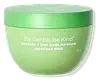
Benefits
Concerns
Ingredients Side-by-side
Aloe Barbadensis Leaf Juice
Skin Conditioning


Hydroxypropyltrimonium Honey
Cetearyl Alcohol
Emollient






Stearalkonium Chloride
Preservative
Salvia Officinalis Leaf Powder
Exfoliating
Urtica Dioica Leaf Extract
Skin ConditioningOlea Europaea Fruit Oil
Masking

Triticum Vulgare Germ Oil
Emollient
Behentrimonium Methosulfate
SurfactantSilk Amino Acids
HumectantOryza Sativa Bran Oil
Emollient
Eucalyptus Globulus Leaf Oil
Perfuming


Sorbic Acid
Preservative
Orbignya Oleifera Seed Oil
Emollient
Rosmarinus Officinalis Leaf Extract
AntimicrobialCaramel
Cosmetic ColorantAloe Barbadensis Leaf Juice, Hydroxypropyltrimonium Honey, Cetearyl Alcohol, Stearalkonium Chloride, Salvia Officinalis Leaf Powder, Urtica Dioica Leaf Extract, Olea Europaea Fruit Oil, Triticum Vulgare Germ Oil, Behentrimonium Methosulfate, Silk Amino Acids, Oryza Sativa Bran Oil, Eucalyptus Globulus Leaf Oil, Sorbic Acid, Orbignya Oleifera Seed Oil, Rosmarinus Officinalis Leaf Extract, Caramel
Water
Skin ConditioningCetyl Alcohol
Emollient
Stearyl Alcohol
Emollient
Behentrimonium Chloride
Preservative
Brassica Alcohol
Emollient
Propanediol
Solvent
Cetyl Esters
Emollient
Persea Gratissima Oil
Skin Conditioning
Actinidia Chinensis Fruit Extract
EmollientSpirulina Maxima Extract
SmoothingSpinacia Oleracea Leaf Extract
Skin ConditioningAloe Barbadensis Leaf Juice
Skin Conditioning
Biotin
AntiseborrhoeicTheobroma Cacao Seed Butter
Emollient
Salvia Hispanica Seed Oil
Emollient
Isododecane
EmollientBrassicyl Isoleucinate Esylate
Emulsion StabilisingCoccinia Indica Fruit Extract
Skin Conditioning
Aloe Barbadensis Flower Extract
EmollientSolanum Melongena Fruit Extract
Skin ConditioningCurcuma Longa Root Extract
Antioxidant
Ocimum Basilicum Flower/Leaf Extract
TonicOcimum Sanctum Leaf Extract
Skin ConditioningIsopropyl Myristate
Emollient
Melia Azadirachta Leaf Extract
Skin ConditioningMelia Azadirachta Flower Extract
Skin ConditioningCetrimonium Chloride
Antimicrobial
Cetearyl Alcohol
Emollient
Guar Hydroxypropyltrimonium Chloride
Skin ConditioningCorallina Officinalis Extract
Skin Conditioning
Behentrimonium Methosulfate
SurfactantPanthenol
Skin Conditioning
Volcanic Ash
Abrasive
Arginine
Masking
Glycerin
Humectant
Curcumin
Antioxidant
Helianthus Annuus Seed Oil
Emollient
Palmaria Palmata Extract
Skin Protecting
Mineral Salts
Skin ConditioningButylene Glycol
Humectant
Hexylene Glycol
EmulsifyingRosmarinus Officinalis Leaf Extract
AntimicrobialPotassium Sorbate
Preservative
Sodium Benzoate
Masking
Parfum
Masking
Dehydroacetic Acid
Preservative
Benzyl Alcohol
Perfuming
Water, Cetyl Alcohol, Stearyl Alcohol, Behentrimonium Chloride, Brassica Alcohol, Propanediol, Cetyl Esters, Persea Gratissima Oil, Actinidia Chinensis Fruit Extract, Spirulina Maxima Extract, Spinacia Oleracea Leaf Extract, Aloe Barbadensis Leaf Juice, Biotin, Theobroma Cacao Seed Butter, Salvia Hispanica Seed Oil, Isododecane, Brassicyl Isoleucinate Esylate, Coccinia Indica Fruit Extract, Aloe Barbadensis Flower Extract, Solanum Melongena Fruit Extract, Curcuma Longa Root Extract, Ocimum Basilicum Flower/Leaf Extract, Ocimum Sanctum Leaf Extract, Isopropyl Myristate, Melia Azadirachta Leaf Extract, Melia Azadirachta Flower Extract, Cetrimonium Chloride, Cetearyl Alcohol, Guar Hydroxypropyltrimonium Chloride, Corallina Officinalis Extract, Behentrimonium Methosulfate, Panthenol, Volcanic Ash, Arginine, Glycerin, Curcumin, Helianthus Annuus Seed Oil, Palmaria Palmata Extract, Mineral Salts, Butylene Glycol, Hexylene Glycol, Rosmarinus Officinalis Leaf Extract, Potassium Sorbate, Sodium Benzoate, Parfum, Dehydroacetic Acid, Benzyl Alcohol
Reviews
Ingredients Explained
These ingredients are found in both products.
Ingredients higher up in an ingredient list are typically present in a larger amount.
Aloe Barbadensis Leaf Juice is the filtered, stabilized liquid pressed from the inner gel of the aloe vera leaf.
In cosmetics, it shows up as either soothing active or a water-replacement base. It is roughly 98-99% water and the last 1-2% is an interesting mix of polysaccharides, amino acids, vitamins, minerals, and enzymes.
The polysaccharides do most of the work: they bind water at the skin surface for a light, non-greasy hydration boost. And one of the polysaccharides, glycomannan, is linked to fibroblast stimulation + collagen synthesis. This is also why aloe has such a long track record in wound and burn healing.
This ingredient is also calming with anti-inflammatory and mild antimicrobial activity, making it a great pick for sensitive, irritated, or post-sun skin.
Realistic expectations matter though; the solid evidence is mostly limited to hydration, soothing, and wound support. Deeper claims about anti-aging or sun protection are not well backed, and science reviews note it does not prevent radiation-induced skin injury.
Because it plays well with almost everything, it's commonly used as a base alongside other actives like niacinamide or vitamin C.
Typical usage concentrations range from 0.5% (where hydration benefits already show up) all the way to 90%+ (where it replaces water as the main base).
The safety for this ingredient is well-establish as well. Overall, this is a great supporting ingredient for those who want a boost in hydration.
Learn more about Aloe Barbadensis Leaf JuiceBehentrimonium Methosulfate is a gentle, positively-charged conditioning agent made from rapeseed oil.
It's the opposite of a harsh cleansing sulfate despite having "sulfate" in its name; its a detangler/softener in haircare and helps keep oil/water blended into a creamy texture as an emulsifier.
Concentration-wise, safety review reports the wider trimonium family shows up between 0.0005% to 10% in rinse-off products and 0.001% to 4% in leave-on products.
This ingredient is commonly used at ~1–5% when acting as the emulsifier.
Allergies to this ingredient are rare; the CIR panel noted the literature lacks clinical reports of irritation or sensitization and patch tests on finished products containing it came back clean.
Learn more about Behentrimonium MethosulfateCetearyl alcohol is a waxy mixture of two fatty alcohols: cetyl alcohol and stearyl alcohol. It is an emollient and emulsifier.
Despite having "alcohol" in its name, it has nothing to do with drying solvent alcohols; the FDA also allows "alcohol-free" products to contain fatty alcohols like this ingredient.
It plays several roles in a formula:
Typical use levels for this ingredient sit around 1-10% and the Cosmetic Ingredient Review Expert Panel has affirmed safety at concentrations up to 25% in leave-on products.
Multiple assessments have found it to be non-irritating and non-sensitizing to most people.
However, there have been some cases of allergic contact dermatitis in patients with chronically compromised skin barriers.
Cetearyl alcohol has a comedogenic rating of 2 and irritancy rating of 1. Both of these numbers come from the 1989 study that used rabbit ears; a "2" means mildly comedogenic and a "1" means low irritancy.
Here's the catch: rabbit skin is more sensitive than human skin and throws a lot of false positives. A 1996 reappraisal found that ingredients rated 1-2 in the rabbit ear tests are generally safe for humans.
Remember comedogenic ratings are unable to assess the entire formula of a product or how it will react on your skin. Just be sure to patch test if you are unsure about certain ingredients.
This ingredient is not fungal acne safe. Cetearyl alcohol is a fatty alcohol with chain lengths that fall within the range that Malassezia can metabolize.
A 2019 study has also observed Malassezia growth in the presence of this ingredient, confirming it to be not-fungal acne safe.
Learn more about Cetearyl AlcoholThis is a botanical extract from the rosemary plant (the same one you cook with). In skincare, it mostly works as a skin conditioning agent.
Its activity comes from a handful of polyphenols, carnosic acid, carnosol, and rosmarinic acid. Almost 90% of the antioxidant activity of this ingredient can be attributed to canosol and carnosic acid.
These compounds protect your skin two ways:
1) They fight off free radicals, or the unstable molecules from things like sun and pollution that age and damage skin.
2) They help calm inflammation by switching off the chemical signals that tell skin to get red and irritated.
Lab studies also suggest that rosmarinic acid may help protect collagen and slow sugar-related damage to it.
The Cosmetic Ingredient Review has concluded rosemary-derived ingredients to be safe when formulated to be non-sensitizing.
Rosemary can occasionally cause allergic contact dermatitis (due to carnosol), so be sure to patch test if you have reactive or fragrance-sensitive skin.
Learn more about Rosmarinus Officinalis Leaf Extract

