
What's inside
What's inside
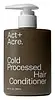 Key Ingredients
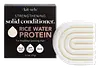
No key ingredients
Benefits
Concerns
Ingredients Side-by-side
Water
Skin ConditioningGlycerin
Humectant


Ethylhexyl Olivate
Skin Conditioning

Isostearyl Ethylimidazolinium Ethosulfate
Triethyl Citrate
Masking

Acrylamidopropyltrimonium Chloride/Acrylates Copolymer
Palmitamidopropyltrimonium Chloride
Hydroxypropyl Starch Phosphate
Cetrimonium Chloride
Antimicrobial
Isoceteth-20
EmulsifyingIsohexadecane
EmollientMagnesium Aluminum Silicate
Absorbent
Sorbitan Oleate
Emulsifying

Isoamyl Laurate
Emollient
Propylene Glycol Dibenzoate
Skin ConditioningAdansonia Digitata Seed Oil
Emollient
Amaranthus Caudatus Seed Oil
Emollient
Amyris Balsamifera Bark Oil
Masking

Aquilaria Agallocha Wood Oil
Masking
Cananga Odorata Flower Oil
Masking
Caprylic/Capric Triglyceride
Masking
Caprylyl Glycol
Emollient
Cistus Ladaniferus Leaf/Stem Extract
MaskingCitric Acid
Buffering

Coceth-7
EmulsifyingCrambe Abyssinica Seed Oil
Skin Conditioning
Dimethylheptenal
Perfuming
Elettaria Cardamomum Seed Oil
Masking
Gamma-Nonalactone
Masking
Guar Hydroxypropyltrimonium Chloride
Skin ConditioningHelianthus Annuus Seed Oil
Emollient
Hexenyl Acetate
Masking
Hexylene Glycol
EmulsifyingHydrogenated Castor Oil/Sebacic Acid Copolymer
Emollient
Hydrolyzed Pea Protein
EmollientHydrolyzed Quinoa
Skin ConditioningHydrolyzed Soy Protein
Humectant
Ionone
Astringent
Juniperus Virginiana Oil
Masking
Lavandula Angustifolia Oil
Masking
Linoleic Acid
Cleansing

Linolenic Acid
Cleansing
Moringa Oleifera Seed Oil
Emollient
Panthenol
Skin Conditioning
Passiflora Edulis Seed Oil
Emollient
Phenoxyethanol
Preservative
Pogostemon Cablin Leaf Oil
Masking
Potassium Sorbate
Preservative
Rosmarinus Officinalis Leaf Extract
AntimicrobialSodium Hydroxide
BufferingSqualane
Emollient
Tetrasodium Glutamate Diacetate
Vanillin
Masking
Viola Odorata Flower/Leaf Extract
MaskingWater, Glycerin, Ethylhexyl Olivate, Isostearyl Ethylimidazolinium Ethosulfate, Triethyl Citrate, Acrylamidopropyltrimonium Chloride/Acrylates Copolymer, Palmitamidopropyltrimonium Chloride, Hydroxypropyl Starch Phosphate, Cetrimonium Chloride, Isoceteth-20, Isohexadecane, Magnesium Aluminum Silicate, Sorbitan Oleate, Isoamyl Laurate, Propylene Glycol Dibenzoate, Adansonia Digitata Seed Oil, Amaranthus Caudatus Seed Oil, Amyris Balsamifera Bark Oil, Aquilaria Agallocha Wood Oil, Cananga Odorata Flower Oil, Caprylic/Capric Triglyceride, Caprylyl Glycol, Cistus Ladaniferus Leaf/Stem Extract, Citric Acid, Coceth-7, Crambe Abyssinica Seed Oil, Dimethylheptenal, Elettaria Cardamomum Seed Oil, Gamma-Nonalactone, Guar Hydroxypropyltrimonium Chloride, Helianthus Annuus Seed Oil, Hexenyl Acetate, Hexylene Glycol, Hydrogenated Castor Oil/Sebacic Acid Copolymer, Hydrolyzed Pea Protein, Hydrolyzed Quinoa, Hydrolyzed Soy Protein, Ionone, Juniperus Virginiana Oil, Lavandula Angustifolia Oil, Linoleic Acid, Linolenic Acid, Moringa Oleifera Seed Oil, Panthenol, Passiflora Edulis Seed Oil, Phenoxyethanol, Pogostemon Cablin Leaf Oil, Potassium Sorbate, Rosmarinus Officinalis Leaf Extract, Sodium Hydroxide, Squalane, Tetrasodium Glutamate Diacetate, Vanillin, Viola Odorata Flower/Leaf Extract


Alternatives
Ingredients Explained
These ingredients are found in both products.
Ingredients higher up in an ingredient list are typically present in a larger amount.
This ingredient is derived from guar gum. It is a skin conditioning agent that creates a thin, breathable film to reduce water loss during cleansing.
This leaves the skin feeling soft rather than stripped and also contributes to a creamier lather.
Due to the large molecule size, this ingredient is unlikely to penetrate skin.
Learn more about Guar Hydroxypropyltrimonium ChlorideHelianthus Annuus Seed Oil is a plant oil derived from the seeds of a sunflower.
It is rich in fatty acids, primarily linoleic acid and oleic acid. This gives it emollient and skin conditioning properties.
The reason this ingredient is so effective is because it forms a thin film on the skin that reduces transepidermal water loss (TEWL) while supplying linoleic acid to the stratum corneum to improve barrier strength.
The high linoleic acid content is particularly noteworthy for acne-prone skin.
Research suggests that acne-prone skin tends to be deficient in linoleic acid in sebum. Topical application may help replenish this to support a healthier follicular environment and less comedone-promoting sebum.
One randomized study found sunflower seed oil preserved skin barrier integrity in adult volunteers with and without atopic dermatitis (outperforming olive oil).
This ingredient is well-studied, gentle, and an effective emollient suitable for most skin types.
On fungal acne: This ingredient may not be Fungal acne (Malassezia folliculitis) safe. This is because it contains fatty acids with carbon chain lengths in the C11-C24 range.
Learn more about Helianthus Annuus Seed Oil

