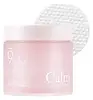
This calming toner pad uses a pre-saturated pad with Centella Asiatica Extract and Panthenol to calm redness and strengthen the skin barrier.
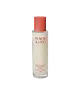
This calming toner is formulated around Rice Ferment Filtrate and Galactomyces Ferment Filtrate to calm redness and hydrate skin.

What's inside
What's inside
 Key Ingredients
Benefits
Concerns
Ingredients Side-by-side
Centella Asiatica Extract 88%
Cleansing





Butylene Glycol
Humectant
Glycerin
Humectant
Water
Skin Conditioning1,2-Hexanediol
Skin Conditioning
Caprylyl Glycol
Emollient
Panthenol
Skin Conditioning
Allantoin
Skin Conditioning
Propanediol
Solvent
Ethylhexylglycerin
Skin ConditioningDipotassium Glycyrrhizate
Humectant
Pentylene Glycol
Skin Conditioning
Origanum Vulgare Leaf Extract
Skin ConditioningChamaecyparis Obtusa Leaf Extract
Skin ConditioningSalix Alba Bark Extract
Astringent

Aspalathus Linearis Leaf Extract
Skin ConditioningGlycyrrhiza Glabra Root Extract
Bleaching
Lactobacillus/Soybean Ferment Extract
Skin ConditioningPortulaca Oleracea Extract
Skin Conditioning
Cinnamomum Cassia Bark Extract
Masking
Scutellaria Baicalensis Root Extract
Astringent
Yucca Schidigera Root Extract
Skin ConditioningCommiphora Myrrha Resin Extract
Skin ConditioningPerilla Frutescens Leaf Extract
MaskingCamellia Sinensis Leaf Extract
Antimicrobial

Mentha Suaveolens Leaf Extract
AstringentThymus Vulgaris Leaf Extract
Skin ProtectingAsiaticoside
Antioxidant
Madecassic Acid
Skin Conditioning
Asiatic Acid
Skin Conditioning
Centella Asiatica Extract 88%, Butylene Glycol, Glycerin, Water, 1,2-Hexanediol, Caprylyl Glycol, Panthenol, Allantoin, Propanediol, Ethylhexylglycerin, Dipotassium Glycyrrhizate, Pentylene Glycol, Origanum Vulgare Leaf Extract, Chamaecyparis Obtusa Leaf Extract, Salix Alba Bark Extract, Aspalathus Linearis Leaf Extract, Glycyrrhiza Glabra Root Extract, Lactobacillus/Soybean Ferment Extract, Portulaca Oleracea Extract, Cinnamomum Cassia Bark Extract, Scutellaria Baicalensis Root Extract, Yucca Schidigera Root Extract, Commiphora Myrrha Resin Extract, Perilla Frutescens Leaf Extract, Camellia Sinensis Leaf Extract, Mentha Suaveolens Leaf Extract, Thymus Vulgaris Leaf Extract, Asiaticoside, Madecassic Acid, Asiatic Acid
Water
Skin ConditioningButylene Glycol
Humectant
Rice Ferment Filtrate
Skin Conditioning
1,2-Hexanediol
Skin Conditioning
Aspergillus/Rice Ferment Extract
HumectantSaccharomyces/Rice Ferment Filtrate Extract
Antioxidant

Oryza Sativa Bran Extract
Skin Conditioning
Saccharomyces/Barley Seed Ferment Filtrate
HumectantGalactomyces Ferment Filtrate
Humectant
Hydroxyethyl Urea
Humectant
Scutellaria Baicalensis Root Extract
Astringent
Lactobacillus Ferment Lysate
Skin Conditioning
Bifida Ferment Lysate
Skin Conditioning
Lactobacillus/Soybean Ferment Extract
Skin ConditioningSphingomonas Ferment Extract
Skin Conditioning
Chamaecyparis Obtusa Leaf Extract
Skin ConditioningSalix Alba Bark Extract
Astringent
Portulaca Oleracea Extract
Skin Conditioning
Origanum Vulgare Leaf Extract
Skin ConditioningTaraxacum Officinale Leaf Extract
Skin ConditioningCinnamomum Cassia Bark Extract
Masking
Ethylhexylglycerin
Skin ConditioningSodium Phytate
ChelatingWater, Butylene Glycol, Rice Ferment Filtrate, 1,2-Hexanediol, Aspergillus/Rice Ferment Extract, Saccharomyces/Rice Ferment Filtrate Extract, Oryza Sativa Bran Extract, Saccharomyces/Barley Seed Ferment Filtrate, Galactomyces Ferment Filtrate, Hydroxyethyl Urea, Scutellaria Baicalensis Root Extract, Lactobacillus Ferment Lysate, Bifida Ferment Lysate, Lactobacillus/Soybean Ferment Extract, Sphingomonas Ferment Extract, Chamaecyparis Obtusa Leaf Extract, Salix Alba Bark Extract, Portulaca Oleracea Extract, Origanum Vulgare Leaf Extract, Taraxacum Officinale Leaf Extract, Cinnamomum Cassia Bark Extract, Ethylhexylglycerin, Sodium Phytate
Reviews
Ingredients Explained
These ingredients are found in both products.
Ingredients higher up in an ingredient list are typically present in a larger amount.
1,2-Hexanediol is a synthetic liquid and another multi-functional powerhouse.
It is a:
- Humectant, drawing moisture into the skin
- Emollient, helping to soften skin
- Solvent, dispersing and stabilizing formulas
- Preservative booster, enhancing the antimicrobial activity of other preservatives
Butylene Glycol (or BG) is used within cosmetic products for a few different reasons:
Overall, Butylene Glycol is a safe and well-rounded ingredient that works well with other ingredients.
Though this ingredient works well with most skin types, some people with sensitive skin may experience a reaction such as allergic rashes, closed comedones, or itchiness.
Learn more about Butylene GlycolThis ingredient comes from the leaves of the Japanese cypress tree that is also called Hinoki. The leaves are rich in flavonoids with quercitrin being one of its key actives.
A 2023 study tested a 70% ethanol extract on UVA-stressed, collagen-producing skin cells. Across multiple antioxidant tests, this extract protected skin from free radicals at meaningful rates.
And the coolest part? At 1000 µg/mL, it blocked two enzymes (collagenase and elastase) almost as well as vitamin C did at the same dose. Collagenase and elastase are the enzymes that break down your skin's collagen and elastin over time.
The same study found this ingredient lowered skin-breakdown enzymes and inflammation signals while bumping up collagen production in UV-stressed cells.
A 2024 follow-up tested a fermented version (fermented with mushroom) and it calmed down several key inflammation markers in irritated immune cells. So besides anti-aging, this ingredient can also help soothe skin.
Most of the data right now is still at the cell-culture stage rather than from human clinical trials. However, there's no harm in adding this ingredient to your routine.
Just be sure to patch test if you have a history of sensitivity toward botanical extracts.
Learn more about Chamaecyparis Obtusa Leaf ExtractThis ingredient comes from the cinnamon tree native to southern China.
Though cinnamon has a wonderful taste, it can cause skin irritation due to its rich coumarins, cinnamaldehyde, and styrene content.
Ethylhexylglycerin is created from glycerin. It is a multitasker ingredient that:
The CIR Expert Panel found minimal skin absorption or sensitization of any kind in a safety assessment. Though this ingredient is considered well-tolerated, a small number of cases of allergic dermatitis have been published since 2002. Just be sure to patch test if you are unsure.
Industry-reported use ranges from 8% in rinse-off products and 2% in leave-on formulations.
Learn more about EthylhexylglycerinLactobacillus/Soybean Ferment Extract is the result of fermenting soybeans with the Lactobacillus bacteria. It mainly acts as a skin conditioning agent in a formula, and the interesting part is what fermentation does to the soy.
Fermenting soy:
The isoflavones are the workhorses behind the common claims; lab and animal studies show they mop up free radicals, help protect skin cells from UVB damage, and nudge fibroblasts to make more collagen while slowing the enzymes that break collagen down.
One controlled clinical study using an isoflavone cream reported softer wrinkles and better skin texture over time. A topical fermented soy extract also improved hydration and elasticity in an animal aging model.
The big caveat is that most of this evidence comes from soy isoflavones and related fermented soy extracts rather than this exact INCI. Some of the strongest data also comes from oral studies.
So it's best to think of this ingredient as a gentle, antioxidant-leaning conditioning agent rather than a proven wrinkle eraser.
At this time, there's no published concentration levels for this specific ferment but it usually shows up at modest levels in real products (~1% or less).
One last thing for people with soy allergies: it's always worth patch testing this ingredient despite the lowered allergy risk.
Learn more about Lactobacillus/Soybean Ferment ExtractOregano leaf is a culinary and medicinal herb with skin conditioning properties.
This extract comes from Purslane, a succulent. It has anti-inflammatory, antioxidant, and hydrating properties.
Purslane is very nutritious. It contains omega-3 fatty acids, NMFs, many vitamins, minerals, and antioxidants. The vitamins found in purslane include: Vitamin C, Vitamin A, and Vitamin E.
Fun fact: Purslane is a succulent with an extensive habitat. It is used in traditional Korean medicine to treat irritated skin.
Nowadays, purslane is becoming a superfood due to its highly nutritious content.
Learn more about Portulaca Oleracea ExtractSalix Alba Bark Extract comes from the bark of the white willow tree. The official CosIng listing states this ingredient to have astringent, skin conditioning, soothing, and tonic properties.
Its star compound is salicin, a natural glucoside that is chemically related to salicylic acid. That's why you'll often see it marketed as a "natural BHA alternative" but that's a bit of a stretch.
Your skin can't convert salicin to salicylic acid because it needs specific enzymes that aren't present on the skin's surface. It won't behave like true salicylic acid, especially at the concentrations used in cosmetics.
However, this ingredient has its own perks. It contains flavonoids, polyphenols, and tannins that give it proven antioxidant and soothing properties.
An 8-week clinical study found a cream with 2% of this extract improved skin microcirculation, elasticity, and dark circles. This is most likely due to its role in increasing hyaluronic acid synthesis in fibroblasts and improved vascular integrity.
Another study found a topical serum with 0.5% salicin showed improvements in visible signs of aging, hyperpigmentation, and texture.
Just be careful if you have a known aspirin/salicylate allergy and be sure to consult with a medical professional about using this ingredient if you do.
Fun fact: Willow Bark extract has been used for thousands of years and ancient civilizations used white willow to help treat pain and fevers.
Learn more about Salix Alba Bark ExtractScutellaria Baicalensis Root Extract comes from the Baikal skullcap or Chinese skullcap plant. This plant is native to Northeast Asia and can be found in China, Mongolia, Korea, and Siberia.
In cosmetics, Scutellaria Baicalensis Root Extract provides antioxidant and anti-inflammatory benefits. This is due to the flavonoid composition of Scutellaria Baicalensis Root Extract.
In Chinese traditional folk medicine, Scutellaria Baicalensis Root Extract is used to help treat lung issues and hypertension.
Learn more about Scutellaria Baicalensis Root ExtractWater. It's the most common cosmetic ingredient of all. You'll usually see it at the top of ingredient lists, meaning that it makes up the largest part of the product.
So why is it so popular? Water most often acts as a solvent - this means that it helps dissolve other ingredients into the formulation.
You'll also recognize water as that liquid we all need to stay alive. If you see this, drink a glass of water. Remember to stay hydrated!
Learn more about Water

