Flower Knows The Sweetie Bear Dual-Ended Brow Gel & Pencil
A eyebrow with 37 ingredients, including exfoliants and vitamin E.
Overview
What it is
Eyebrow with 37 ingredients that contains exfoliants and Vitamin E
Cool Features
It is cruelty-free and reef safe
Suited For
It has ingredients that are good for anti aging, dry skin and scar healing
Free From
It doesn't contain any harsh alcohols, common allergens, parabens or sulfates
Fun facts
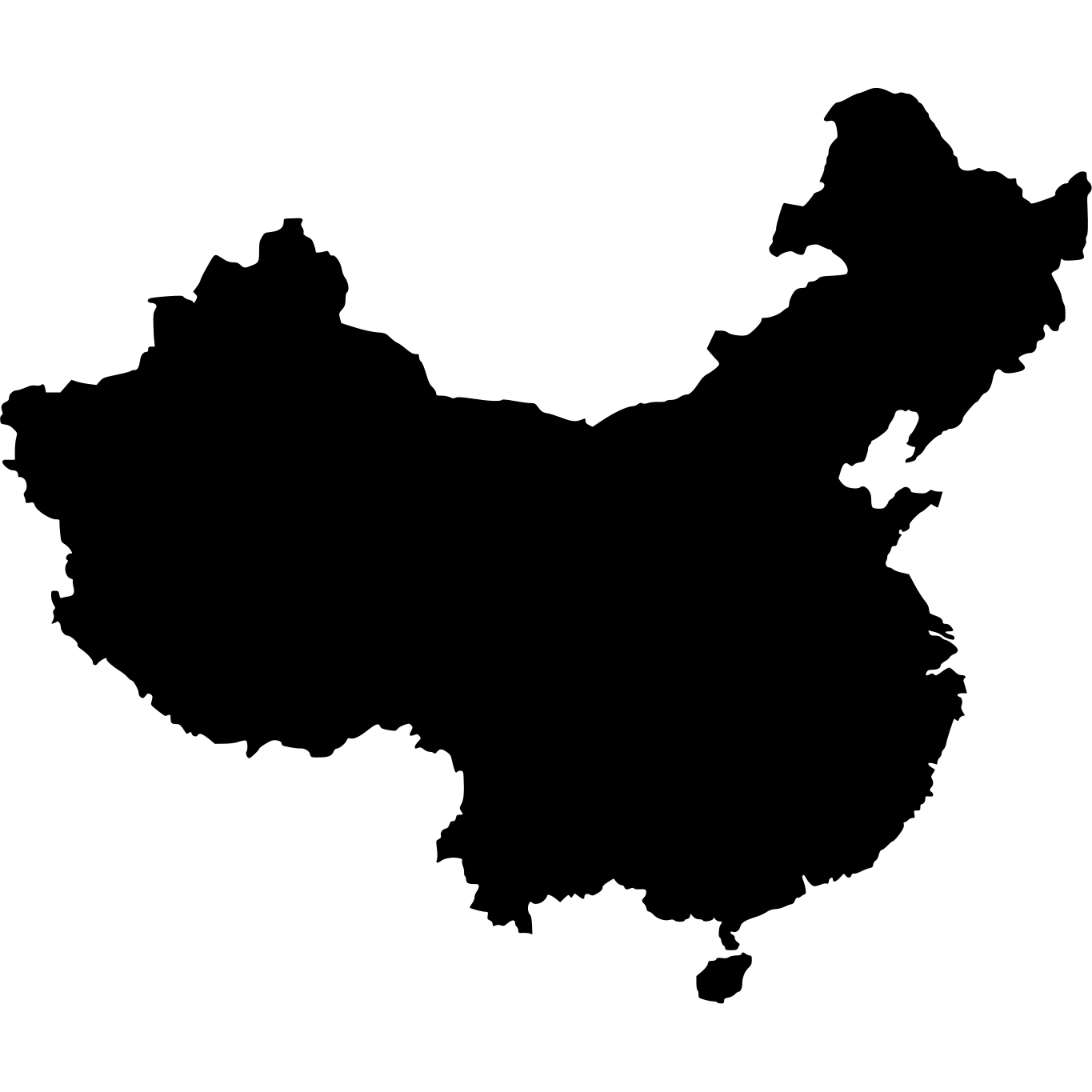
Flower Knows is from China.
We independently verify ingredients and our claims are backed by peer-reviewed research. Does this product need an update? Let us know.
What's inside
Ingredients List
CI 77499
Cosmetic ColorantSynthetic Fluorphlogopite
Hydrogenated Palm Oil
Emollient

CI 77891
Cosmetic ColorantHydrogenated Rapeseed Oil
Emollient
Hydrogenated Soybean Oil
Emollient
Boron Nitride
AbsorbentCI 77491
Cosmetic ColorantHydrogenated Coco-Glycerides
Emollient
Synthetic Japan Wax
Emollient
CI 77492
Cosmetic ColorantZinc Stearate
Cosmetic ColorantSynthetic Beeswax
Emulsion Stabilising
Triethoxycaprylylsilane

Acrylates/Stearyl Acrylate/Dimethicone Methacrylate Copolymer
Lauroyl Lysine
Skin ConditioningCI 42090
Cosmetic ColorantTocopheryl Acetate
Antioxidant

Sucrose Polystearate
EmollientTocopherol
Antioxidant



Isododecane
EmollientTrimethylsiloxysilicate
Emollient
Isohexadecane
EmollientTalc
Abrasive
Synthetic Wax
Abrasive
Disteardimonium Hectorite
StabilisingDextrin Palmitate
Emulsifying
Dextrin Palmitate/Ethylhexanoate
Emulsifying
Silica
Abrasive

Propylene Carbonate
SolventParaffin
Perfuming
Polyglyceryl-2 Triisostearate
Emulsifying
Cera Microcristallina
Emulsion Stabilising
Aluminum Hydroxide
EmollientPhenoxyethanol
Preservative
Ethylhexylglycerin
Skin ConditioningSimmondsia Chinensis Seed Oil
Emollient
CI 77499, Synthetic Fluorphlogopite, Hydrogenated Palm Oil, CI 77891, Hydrogenated Rapeseed Oil, Hydrogenated Soybean Oil, Boron Nitride, CI 77491, Hydrogenated Coco-Glycerides, Synthetic Japan Wax, CI 77492, Zinc Stearate, Synthetic Beeswax, Triethoxycaprylylsilane, Acrylates/Stearyl Acrylate/Dimethicone Methacrylate Copolymer, Lauroyl Lysine, CI 42090, Tocopheryl Acetate, Sucrose Polystearate, Tocopherol, Isododecane, Trimethylsiloxysilicate, Isohexadecane, Talc, Synthetic Wax, Disteardimonium Hectorite, Dextrin Palmitate, Dextrin Palmitate/Ethylhexanoate, Silica, Propylene Carbonate, Paraffin, Polyglyceryl-2 Triisostearate, Cera Microcristallina, Aluminum Hydroxide, Phenoxyethanol, Ethylhexylglycerin, Simmondsia Chinensis Seed Oil
Key Ingredients
Benefits
Concerns
Ingredients Explained
Ci 77499 is also hydrated iron III oxide. It is created from mixing red and black iron oxides. This helps give shades of darkness to a product.
Iron III oxides are classified as inorganic chemicals for coloring.
Synthetic Fluorphlogopite is the synthethic version of mica. It consists of fluorine, aluminum and silicate.
Synthetic Fluorphlogopite is used to add volume to products.
It is considered non-irritating on the skin.
Learn more about Synthetic FluorphlogopiteHydrogenated Palm Oil is an oil and isn't fungal acne safe.
Ci 77891 is a white pigment from Titanium dioxide. It is naturally found in minerals such as rutile and ilmenite.
It's main function is to add a white color to cosmetics. It can also be mixed with other colors to create different shades.
Ci 77891 is commonly found in sunscreens due to its ability to block UV rays.
Learn more about CI 77891Hydrogenated Rapeseed Oil comes from the rapeseed plant. This plant is closely related to mustard, cabbage, broccoli, cauliflower and turnip.
To be hydrogenated means to be combined with hydrogen.
Like other vegetable oils, Hydrogenated Rapeseed Oil helps keep your skin hydrated.
Rapeseed Oil and Canola Oil are derived from the same plant; rapeseed oil is industrial while canola oil is culinary.
Canola oil has an erucic acid level of 2% or less, while rapeseed oil is higher. Erucic acid is a monounsaturated omega-9 fatty acid.
Learn more about Hydrogenated Rapeseed OilHydrogenated Soybean Oil is an oil and isn't fungal acne safe. It can be bad for acne prone skin.
Boron Nitride is compound consisting of boron and nitrogen. It is used to absorb oil and modify adherence/ slip in products.
This means it is often used in makeup products to help them last longer.
Ci 77491 is also hydrated iron III oxide. It's sole purpose is to give a red/pink hue to products.
Iron III oxides are classified as inorganic chemicals for coloring.
Synthetically created Ci 77491 is considered safer than those naturally found. This is because the synthetically created version may contain less impurities. Iron oxides are generally non-toxic and non-allergenic.
Learn more about CI 77491Hydrogenated Coco-Glycerides isn't fungal acne safe.
Synthetic Japan Wax isn't fungal acne safe.
Ci 77492 is also hydrated iron III oxide. It's sole purpose is to give a yellow hue to products.
Iron III oxides are classified as inorganic chemicals for coloring.
Synthetically created Ci 77492 is considered safer than those naturally found. This is because the synthetically created version may contain less impurities. Iron oxides are generally non-toxic and non-allergenic.
Learn more about CI 77492Zinc Stearate is the metal salt of stearic acid. It is a white solid used to bind, thicken, and lubricate products.
This ingredient is common in powder makeup, where it helps keep the powder together.
Zinc Stearate is hydrophobic and repels water.
This ingredient can be sourced from non-animal or animal sources. It is best to reach out to the brand to see where they source this ingredient from.
Learn more about Zinc StearateSynthetic beeswax is created to be identical in structure to beeswax. It possesses the same occlusive and emulsion properties.
A blend of fatty acid esters, fatty acids, and alcohols are used to create synthetic beeswax. Whether or not this ingredient is vegan depends on the source. Sometimes, lanolin is used for its creation.
This ingredient may not be Malassezia folliculitis, or fungal-acne safe.
Learn more about Synthetic BeeswaxTriethoxycaprylylsilane is a silicone used to bind and stabilize ingredients.
As an emulsifier, it helps prevent ingredients from separating. This can help elongate the shelf life of products.
Triethoxycaprylylsilane is often used to coat mineral sunscreens ingredients to help give a better feel. It also helps reduce oxidative stress in sunscreens.
Learn more about TriethoxycaprylylsilaneAcrylates/Stearyl Acrylate/Dimethicone Methacrylate Copolymer is a type of silicone.
This ingredient comes from a fatty acid (lauric acid) and amino acid (lysine). It is used to add a silky feel to cosmetics.
According to a manufacturer, its fatty acid base leaves a silky feeling on the skin. It also has emollient properties because of this. Emollients help soften skin by preventing water from evaporating.
Lauroyl lysine is barely soluble in water.
Learn more about Lauroyl LysineCi 42090 is a synthetic dye created from petroleum. It is used to give a bright blue color to cosmetics, medicine, and food.
Tocopheryl Acetate is AKA Vitamin E. It is an antioxidant and protects your skin from free radicals. Free radicals damage the skin by breaking down collagen.
One study found using Tocopheryl Acetate with Vitamin C decreased the number of sunburned cells.
Tocopheryl Acetate is commonly found in both skincare and dietary supplements.
Learn more about Tocopheryl AcetateWe don't have a description for Sucrose Polystearate yet.
Tocopherol (also known as Vitamin E) is a common antioxidant used to help protect the skin from free-radicals and strengthen the skin barrier. It's also fat soluble - this means our skin is great at absorbing it.
Vitamin E also helps keep your natural skin lipids healthy. Your lipid skin barrier naturally consists of lipids, ceramides, and fatty acids. Vitamin E offers extra protection for your skin’s lipid barrier, keeping your skin healthy and nourished.
Another benefit is a bit of UV protection. Vitamin E helps reduce the damage caused by UVB rays. (It should not replace your sunscreen). Combining it with Vitamin C can decrease sunburned cells and hyperpigmentation after UV exposure.
You might have noticed Vitamin E + C often paired together. This is because it is great at stabilizing Vitamin C. Using the two together helps increase the effectiveness of both ingredients.
There are often claims that Vitamin E can reduce/prevent scarring, but these claims haven't been confirmed by scientific research.
Learn more about TocopherolIsododecane is a fragrance, emollient, and solvent.
As an emollient, it helps your skin stay soft and hydrated. Emollients help trap moisture into your skin.
Isododecane's role as a solvent makes it a great texture enhancer. It spreads smoothly on skin and does not leave a sticky feeling behind. Isododecane also helps prevent color transfer in makeup products.
Isododecane is not absorbed into skin.
Learn more about IsododecaneThis silicone is an emollient. Emollients create a thin film on the skin to prevent moisture from escaping.
It is not soluble in water and helps increase water-resistance in products.
According to a manufacturer, it can blend seamlessly with silicone oils, such as Cyclopentasiloxane.
Learn more about TrimethylsiloxysilicateIsohexadecane is added to enhance texture, emulsify, and to help cleanse. It is an isoparrafin. It is a component of petrolatum.
Due to its large size, Isohexadecane is not absorbed by the skin. Instead, it sits on top and acts as an emollient. Emollients help keep your skin soft and smooth by trapping moisture within.
Isohexadecane is often used in products designed to help oily skin. It is lightweight and non-greasy while helping to moisturize. When mixed with silicones, it gives a product a silky feel.
Learn more about IsohexadecaneTalc is a clay mineral. It helps absorb moisture and improve the texture of products. Like other types of clay, Talc can have a slight exfoliating effect on skin. Talc can be added to increase the volume of products.
Some Baby powders are made by combining talc with corn starch. The word "talc" comes from Latin and originates from Arabic. Talc is a mineral commonly found throughout the world.
If you have any concerns about using talc, we recommend checking out the FDA's official page.
Learn more about TalcSynthetic Wax is created from fossil fuels such as natural gas. It is used to enhance texture, adjust pH, and as an occlusive.
It may also be used as an abrasive ingredient to exfoliate the skin.
Synthetic Wax may not be fungal acne safe.
Learn more about Synthetic WaxDisteardimonium Hectorite comes from the clay mineral named hectorite. It is used to add thickness to a product.
It can also help stabilize a product by helping to disperse other ingredients.
Hectorite is a rare, white clay mineral.
Learn more about Disteardimonium HectoriteDextrin Palmitate comes from the palmitic acid ester of Dextrin. It is used as an emulsifier and texture enhancer.
Emulsifiers help keep ingredients together. According to a manufacturer, dextrin palmitate helps create a low-viscosity gel texture.
Due to its fatty acid base, this ingredient is not fungal-acne safe.
Learn more about Dextrin PalmitateThis ingredient is an emulsifier. It helps enhance the texture and stability of formulas.
The only manufacturer of this ingredient is in Japan. According to them, this ingredient reduces the tackiness and greasiness of products.
Dextrin Palmitate/Ethylhexanoate is created by reacting dextrin with a mixture of palmitoyl chloride and hexyldecanoic acid chloride.
Learn more about Dextrin Palmitate/EthylhexanoateSilica, also known as silicon dioxide, is a naturally occurring mineral. It is used as a fine, spherical, and porous powder in cosmetics.
Though it has exfoliant properties, the function of silica varies depending on the product.
The unique structure of silica enhances the spreadability and adds smoothness, making it a great texture enhancer.
It is also used as an active carrier, emulsifier, and mattifier due to its ability to absorb excess oil.
In some products, tiny microneedles called spicules are made from silica or hydrolyzed sponge. When you rub them in, they lightly polish away dead skin layers and enhance the penetration of active ingredients.
Learn more about SilicaThis ingredient is a solvent. It helps dissolve active ingredients and alter the texture of products.
Propylene Carbonate is commonly used in makeup and with clay, such as montmorillonite or bentonite.
Studies show this ingredient to be safe for cosmetics. When it is undiluted, it can cause skin irritation. (It is always diluted in skincare and makeup). This ingredient is water-soluble.
Propylene Carbonate is created from propylene glycol and carbonic acid.
Learn more about Propylene CarbonateParaffin is a solid created from petroleum. The term 'paraffin' can also refer to either
petroleum jelly or mineral oil.
It has natural occlusive properties which can worsen oily skin. Due to its petrolatum base, this ingredient is not fungal-acne safe.
This ingredient is a form of glycerin with emulsifying and emollient properties.
As an emulsifier, this ingredient helps keep products together while adding a thick texture. The manufacturer states this ingredient has emollient properties. Emollients help keep the skin hydrated by trapping moisture in.
Polyglyceryl-2 Triisostearate is created by reacting diglycerin and isostearic acid. Due to the isostearic acid base, it may not be safe for Malassezia or fungal acne.
Learn more about Polyglyceryl-2 TriisostearateCera Microcristallina isn't fungal acne safe.
Aluminum Hydroxide is a form of aluminum. It can be naturally found in nature as the mineral gibbsite. In cosmetics, Aluminum Hydroxide is used as a colorant, pH adjuster, and absorbent.
As a colorant, Aluminum Hydroxide may add opacity, or reduce the transparency. Aluminum hydroxide is contains both basic and acidic properties.
According to manufacturers, this ingredient is an emollient and humectant. This means it helps hydrate the skin.
In medicine, this ingredient is used to help relieve heartburn and help heal ulcers.
There is currently no credible scientific evidence linking aluminum hydroxide in cosmetics to increased cancer risk.
Major health organizations allow the use of aluminum hydroxide in personal care products and have not flagged it as a carcinogenic risk at typical usage levels.
Learn more about Aluminum HydroxidePhenoxyethanol is a preservative that has germicide, antimicrobial, and aromatic properties. Studies show that phenoxyethanol can prevent microbial growth. By itself, it has a scent that is similar to that of a rose.
It's often used in formulations along with Caprylyl Glycol to preserve the shelf life of products.
Ethylhexylglycerin (we can't pronounce this either) is commonly used as a preservative and skin softener. It is derived from glyceryl.
You might see Ethylhexylglycerin often paired with other preservatives such as phenoxyethanol. Ethylhexylglycerin has been found to increase the effectiveness of these other preservatives.
This oil comes from the seeds of the desert shrub called Jojoba. It is more commonly known as jojoba oil, a non-comedogenic oil.
Jojoba oil does not contain fragrance and has many fatty-acids, making it a great soothing ingredient.
It also contains Vitamin E, a great moisturizing ingredient. Vitamin E is also an antioxidant and protects your skin against oxidative damage.
This ingredient humectant properties, meaning it helps draw moisture from the air. This helps keep your skin hydrated.
While jojoba has antibacterial properties, it is only able to kill some strains of bacteria.
Studies also show it helps in wound healing. In fact, Indigenous cultures have used jojoba as a moisturizer and to help treat burns for centuries.
Fun fact: Jojoba oil similar to natural human skin sebum, so it has a great effect on dry skin. It is also promising with helping to regulate sebum production.
Due to its fatty acid content, Jojoba oil may not be fungal acne safe. We recommend speaking with a professional if you have any concerns.
Learn more about Simmondsia Chinensis Seed OilReviews
No written reviews yet. Be the first to review this product.
Where it's from
Flower Knows is a Chinese brand

We're dedicated to providing you with the most up-to-date and science-backed ingredient info out there.
The data we've presented on this page has been verified by a member of the SkinSort Team.
Read more about us· Updated December 8, 2025 • Added by anemone

