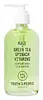
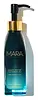
Youth To The People Superfood Antioxidant Cleanser Versus MARA Beauty Chia + Moringa® Algae Enzyme Cleansing Oil
This mild gel cleanser is made to cleanse while calming and soothing your skin.
This oil-based makeup remover is made to dissolve makeup, sunscreen, and daily buildup.

What's inside
What's inside
 Key Ingredients
Benefits
Concerns
Ingredients Side-by-side
Water
Skin ConditioningCocamidopropyl Hydroxysultaine
Cleansing
Sodium Cocoyl Glutamate
Cleansing
Sorbeth-230 Tetraoleate
Emulsifying

Polysorbate 20
Emulsifying
Sodium Chloride
MaskingAloe Barbadensis Leaf Juice Powder
Skin Conditioning


Brassica Oleracea Acephala Leaf Extract
HumectantSpinacia Oleracea Leaf Extract
Skin ConditioningCamellia Sinensis Leaf Extract
Antimicrobial




Medicago Sativa Extract
TonicChamomilla Recutita Flower Extract
Masking
Tetrahexyldecyl Ascorbate
Antioxidant


Glycerin
Humectant
Panthenol
Skin Conditioning
Tocopheryl Acetate
Antioxidant
Decyl Glucoside
Cleansing
Sorbitan Laurate
Emulsifying
Tetrasodium Glutamate Diacetate
Gluconolactone
Skin Conditioning

Ethylhexylglycerin
Skin ConditioningMaltodextrin
Absorbent
Citric Acid
Buffering
Phenoxyethanol
Preservative
Potassium Sorbate
Preservative
Sodium Benzoate
Masking
Gardenia Jasminoides Fruit Extract
Cosmetic ColorantParfum
Masking



Sodium Hydroxide
BufferingSodium Glycolate
BufferingSodium Formate
Buffering
Hexyl Cinnamal
Perfuming
Linalool
Perfuming
Limonene
Perfuming
CI 75810
Cosmetic ColorantWater, Cocamidopropyl Hydroxysultaine, Sodium Cocoyl Glutamate, Sorbeth-230 Tetraoleate, Polysorbate 20, Sodium Chloride, Aloe Barbadensis Leaf Juice Powder, Brassica Oleracea Acephala Leaf Extract, Spinacia Oleracea Leaf Extract, Camellia Sinensis Leaf Extract, Medicago Sativa Extract, Chamomilla Recutita Flower Extract, Tetrahexyldecyl Ascorbate, Glycerin, Panthenol, Tocopheryl Acetate, Decyl Glucoside, Sorbitan Laurate, Tetrasodium Glutamate Diacetate, Gluconolactone, Ethylhexylglycerin, Maltodextrin, Citric Acid, Phenoxyethanol, Potassium Sorbate, Sodium Benzoate, Gardenia Jasminoides Fruit Extract, Parfum, Sodium Hydroxide, Sodium Glycolate, Sodium Formate, Hexyl Cinnamal, Linalool, Limonene, CI 75810
Simmondsia Chinensis Seed Oil
Emollient
Caprylic/Capric Triglyceride
Masking
Helianthus Annuus Seed Oil
Emollient
Moringa Oleifera Seed Oil
Emollient
Squalane
Emollient
Polyglyceryl-3 Laurate
EmulsifyingPolyglyceryl-2 Caprate
EmulsifyingSilica
Abrasive
Aloe Barbadensis Extract
Skin Conditioning
Carica Papaya Fruit Extract
Skin ConditioningChamomilla Recutita Flower Extract
Masking
Chondrus Crispus Extract
Skin Conditioning
Citrus Grandis Fruit Extract
Astringent
Lactobacillus/Pumpkin Ferment Extract
Skin ConditioningLaminaria Digitata Extract
Skin Protecting
Spirulina Maxima Extract
SmoothingCitrus Aurantium Bergamia Fruit Oil
Masking
Salvia Hispanica Seed Oil
Emollient
Bromelain
Skin Conditioning
Tocopheryl Acetate
Antioxidant
Maltodextrin
Absorbent
Leuconostoc/Radish Root Ferment Filtrate
Antimicrobial
Limonene
Perfuming
Simmondsia Chinensis Seed Oil, Caprylic/Capric Triglyceride, Helianthus Annuus Seed Oil, Moringa Oleifera Seed Oil, Squalane, Polyglyceryl-3 Laurate, Polyglyceryl-2 Caprate, Silica, Aloe Barbadensis Extract, Carica Papaya Fruit Extract, Chamomilla Recutita Flower Extract, Chondrus Crispus Extract, Citrus Grandis Fruit Extract, Lactobacillus/Pumpkin Ferment Extract, Laminaria Digitata Extract, Spirulina Maxima Extract, Citrus Aurantium Bergamia Fruit Oil, Salvia Hispanica Seed Oil, Bromelain, Tocopheryl Acetate, Maltodextrin, Leuconostoc/Radish Root Ferment Filtrate, Limonene
Reviews
Ingredients Explained
These ingredients are found in both products.
Ingredients higher up in an ingredient list are typically present in a larger amount.
Chamomilla Recutita Flower Extract comes from the Chamomile flower.
Chamomile is rich in antioxidants and has anti-inflammatory properties. Several compounds found in chamomile help with soothing, such as bisbolol.
Antioxidant components in chamomile make it an effective ingredient to help slow the signs of aging. Antioxidants help fight free-radical molecules, or molecules that may damage your skin.
Essential oils from chamomile have been found to improve wound healing due to its antimicrobial properties.
Ancient Greeks and Egyptians used Chamomile to treat skin redness and dryness. Chamomile has also been used to help treat stomach issues.
Learn more about Chamomilla Recutita Flower ExtractLimonene is a fragrance that adds scent and taste to a formulation.
It's found in the peel oil of citrus fruits and other plants such as lavender and eucalyptus. The scent of limonene is generally described as "sweet citrus".
Limonene acts as an antioxidant, meaning it helps neutralize free radicals.
When exposed to air, oxidized limonene may sensitize the skin. Because of this, limonene is often avoided by people with sensitive skin.
The term 'fragrance' is not regulated in many countries. In many cases, it is up to the brand to define this term. For instance, many brands choose to label themselves as "fragrance-free" because they are not using synthetic fragrances. However, their products may still contain ingredients such as essential oils that are considered a fragrance.
Learn more about LimoneneMaltodextrin is a plant-derived carbohydrate made by breaking down starch (usually from corn, potato, or rice). In cosmetic formulas, it's a multitasking absorbent, emulsion stabilizer, and skin conditioner.
This ingredient is mostly used to stabilize emulsions and improve the powdery, non-greasy feel of products (like dry shampoos).
Safety-wise, this ingredient is pretty solid; it's even recognized as a food additive. Both animal and clinical studies found no adverse effects at the levels used in cosmetics.
Industry data shows this ingredient is used up to 45.7% in spray products and up to 33% in powder products.
Learn more about MaltodextrinTocopheryl Acetate is a stable, shelf-friendly form of vitamin E.
Formulators love it because plain vitamin E oxidizes quickly once it hits air. This acetate version stays stable and resists going off, helping to extend a product's shelf life.
It's actually inactive on its own and works like a slow-release "storage" form; the enzymes in your skin called esterases gradually convert it into active vitamin E over time.
One in vivo study showed 5% of the acetate in the living layer of the epidermis converted to vitamin E after 5 days of application. This study also found the skin gained protection against UV damage even though the conversion was slow and small.
Once converted, vitamin E acts as a skin's main fat-soluble antioxidant that fights free radicals to protect skin from damage.
Topical vitamin E generally boosts the skin's photoprotection, and it reduced UV-damage in animal models.
This ingredient has some brightening potential but it's more of a prevention ingredient than spot-fader. Cell studies show it can slow down melanin production but it's worth noting that it's not the most powerful brightener out there.
Overall, it has a pretty solid safety profile and has been found to be non-irritating and non-comedogenic. Allergic reactions may happen but stay rare due to how widely the ingredient gets used.
The concentration will vary depending on the formula; industry data shows 0.1% in baby lotions, 3% in lipsticks, and 5% in foot powders. You can also find this ingredient at 100% in a pure vitamin E oil.
Most leave-on skincare keeps it at the lower end, often between 0.5-1%.
Learn more about Tocopheryl Acetate

