Westman Atelier Liquid Super Loaded All-Over Illuminator Drops with Vitamin C Versus Westman Atelier Vital Skincare Brightening Concealer With Hyaluronic Acid

What's inside
What's inside
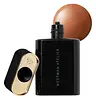 Key Ingredients
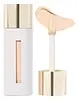
Benefits
Concerns
Ingredients Side-by-side
Squalane
Emollient


Water
Skin ConditioningPersea Gratissima Oil
Skin Conditioning

Mica
Cosmetic ColorantHelianthus Annuus Seed Oil
Emollient
Punica Granatum Seed Oil
Emollient
Camellia Japonica Seed Oil
Emollient
Tetrahexyldecyl Ascorbate
Antioxidant






Glycerin
Humectant
Pentylene Glycol
Skin Conditioning
Polyglyceryl-3 Polyricinoleate
Emulsifying
Sorbitan Isostearate
Emulsifying
Synthetic Fluorphlogopite
Disteardimonium Hectorite
StabilisingHydrolyzed Yeast Protein
Skin ConditioningParfum
Masking



Glyceryl Behenate/Eicosadioate
Emollient
Glyceryl Caprylate/Caprate
EmollientButylene Glycol
Humectant
Dimer Dilinoleyl Dimer Dilinoleate
EmollientLimonene
Perfuming

Tocopheryl Acetate
Antioxidant
Bisabolol
Antioxidant
Sodium Hyaluronate
Humectant
Tin Oxide
Abrasive
Citral
Perfuming
Linalool
Perfuming
Zingiber Officinale Root Extract
Masking
Squalane, Water, Persea Gratissima Oil, Mica, Helianthus Annuus Seed Oil, Punica Granatum Seed Oil, Camellia Japonica Seed Oil, Tetrahexyldecyl Ascorbate, Glycerin, Pentylene Glycol, Polyglyceryl-3 Polyricinoleate, Sorbitan Isostearate, Synthetic Fluorphlogopite, Disteardimonium Hectorite, Hydrolyzed Yeast Protein, Parfum, Glyceryl Behenate/Eicosadioate, Glyceryl Caprylate/Caprate, Butylene Glycol, Dimer Dilinoleyl Dimer Dilinoleate, Limonene, Tocopheryl Acetate, Bisabolol, Sodium Hyaluronate, Tin Oxide, Citral, Linalool, Zingiber Officinale Root Extract
Water
Skin ConditioningC9-12 Alkane
SolventOctyldodecyl Neopentanoate
EmollientGlycerin
Humectant
Diisostearoyl Polyglyceryl-3 Dimer Dilinoleate
Emollient
Sodium Potassium Aluminum Silicate
Disteardimonium Hectorite
StabilisingCaprylic/Capric Triglyceride
Masking
Tribehenin
Emollient
Helianthus Annuus Seed Oil
Emollient
Glycyrrhiza Glabra Root Extract
Bleaching
Gentiana Lutea Root Extract
Skin ConditioningCoffea Arabica Seed Extract
Masking
Palmitoyl Pentapeptide-4
Skin Conditioning
Hydrolyzed Sodium Hyaluronate
Skin Conditioning
Coco-Caprylate/Caprate
Emollient
Disodium Stearoyl Glutamate
CleansingSodium Chloride
MaskingCaprylyl Glycol
Emollient
Propylene Carbonate
SolventPotassium Sorbate
Preservative
Silica
Abrasive
Propanediol
Solvent
Aluminum Hydroxide
EmollientCitric Acid
Buffering
CI 77891
Cosmetic ColorantWater, C9-12 Alkane, Octyldodecyl Neopentanoate, Glycerin, Diisostearoyl Polyglyceryl-3 Dimer Dilinoleate, Sodium Potassium Aluminum Silicate, Disteardimonium Hectorite, Caprylic/Capric Triglyceride, Tribehenin, Helianthus Annuus Seed Oil, Glycyrrhiza Glabra Root Extract, Gentiana Lutea Root Extract, Coffea Arabica Seed Extract, Palmitoyl Pentapeptide-4, Hydrolyzed Sodium Hyaluronate, Coco-Caprylate/Caprate, Disodium Stearoyl Glutamate, Sodium Chloride, Caprylyl Glycol, Propylene Carbonate, Potassium Sorbate, Silica, Propanediol, Aluminum Hydroxide, Citric Acid, CI 77891
Reviews
Ingredients Explained
These ingredients are found in both products.
Ingredients higher up in an ingredient list are typically present in a larger amount.
Disteardimonium Hectorite comes from the clay mineral named hectorite. It is used to add thickness to a product.
It can also help stabilize a product by helping to disperse other ingredients.
Hectorite is a rare, white clay mineral.
Learn more about Disteardimonium HectoriteGlycerin (or glycerol) is a compound naturally found in your skin. It's a powerhouse humectant that pulls water into the stratum corneum.
Topically, glycerin does several things at once:
Your skin makes glycerin on its own (mostly from sebaceous oil breakdown) and shuttles it to your outermost layer of skin, or your epidermis, via aquaporin-3.
Aquaporin-3 is a transporter that is essential for normal skin hydration, elasticity, and repair. Interestingly, mice lacking in AQP3 have dry and less elastic skin that can be fully corrected with glycerin.
This ingredient is non-irritating, plays well with almost every ingredient, and works across all skin types. Typical use is anywhere between 3-10% but can go up to 79% in some leave-on products.
Just know very high concentrations (>40%) can feel tacky in low humidity.
Glycerin is the name for this ingredient in American English. British English uses Glycerol/Glycerine.
Learn more about GlycerinHelianthus Annuus Seed Oil is a plant oil derived from the seeds of a sunflower.
It is rich in fatty acids, primarily linoleic acid and oleic acid. This gives it emollient and skin conditioning properties.
The reason this ingredient is so effective is because it forms a thin film on the skin that reduces transepidermal water loss (TEWL) while supplying linoleic acid to the stratum corneum to improve barrier strength.
The high linoleic acid content is particularly noteworthy for acne-prone skin.
Research suggests that acne-prone skin tends to be deficient in linoleic acid in sebum. Topical application may help replenish this to support a healthier follicular environment and less comedone-promoting sebum.
One randomized study found sunflower seed oil preserved skin barrier integrity in adult volunteers with and without atopic dermatitis (outperforming olive oil).
This ingredient is well-studied, gentle, and an effective emollient suitable for most skin types.
On fungal acne: This ingredient may not be Fungal acne (Malassezia folliculitis) safe. This is because it contains fatty acids with carbon chain lengths in the C11-C24 range.
Learn more about Helianthus Annuus Seed OilWater. It's the most common cosmetic ingredient of all. You'll usually see it at the top of ingredient lists, meaning that it makes up the largest part of the product.
So why is it so popular? Water most often acts as a solvent - this means that it helps dissolve other ingredients into the formulation.
You'll also recognize water as that liquid we all need to stay alive. If you see this, drink a glass of water. Remember to stay hydrated!
Learn more about Water
