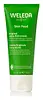
This calming moisturizer is formulated around Helianthus Annuus Seed Oil and Prunus Amygdalus Dulcis Oil to calm redness and hydrate skin.
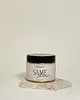
This wash off mask is made with Sodium PCA and Camellia Sinensis Leaf Extract for a rinse-off hydration boost.


What's inside
What's inside
 Key Ingredients
No key ingredients
Benefits
Concerns
Ingredients Side-by-side
Water
Skin ConditioningHelianthus Annuus Seed Oil
Emollient



Lanolin
Emollient


Prunus Amygdalus Dulcis Oil
Skin Conditioning
Cera Alba
Emollient
Alcohol
Antimicrobial

Polyglyceryl-3 Polyricinoleate
Emulsifying
Glycerin
Humectant

Limonene
Perfuming

Viola Tricolor Extract
EmollientHydrolyzed Beeswax
Emulsifying
Sorbitan Olivate
Emulsifying
Rosmarinus Officinalis Leaf Extract
AntimicrobialChamomilla Recutita Flower Extract
Masking

Calendula Officinalis Flower Extract
Masking
Arginine
Masking
Zinc Sulfate
Antimicrobial
Parfum
Masking
Linalool
Perfuming
Geraniol
Perfuming
Citral
Perfuming
Coumarin
Perfuming
Water, Helianthus Annuus Seed Oil, Lanolin, Prunus Amygdalus Dulcis Oil, Cera Alba, Alcohol, Polyglyceryl-3 Polyricinoleate, Glycerin, Limonene, Viola Tricolor Extract, Hydrolyzed Beeswax, Sorbitan Olivate, Rosmarinus Officinalis Leaf Extract, Chamomilla Recutita Flower Extract, Calendula Officinalis Flower Extract, Arginine, Zinc Sulfate, Parfum, Linalool, Geraniol, Citral, Coumarin
Water
Skin ConditioningGlycerin
Humectant
Sodium PCA
Humectant
Carbomer
Emulsion StabilisingButylene Glycol
Humectant
Disodium EDTA
ChelatingSodium Hydroxide
BufferingAlcohol
Antimicrobial
Lavandula Angustifolia Flower/Leaf/Stem Extract
Masking
Citrus Limon Peel Extract
EmollientCamellia Sinensis Leaf Extract
Antimicrobial



Pyrus Malus Fruit Extract
Skin Conditioning
Chamomilla Recutita Flower Extract
Masking
Spirulina Maxima Extract
SmoothingHumulus Lupulus Extract
AntimicrobialCucumis Sativus Fruit Extract
Emollient
Calendula Officinalis Flower Extract
Masking
Colloidal Gold
AntimicrobialCoffea Arabica Husk Extract
Antioxidant
Sodium Hyaluronate
Humectant
Phenoxyethanol
Preservative
Ethylhexylglycerin
Skin ConditioningMica
Cosmetic ColorantTitanium Dioxide
Cosmetic Colorant

Iron Oxides
Water, Glycerin, Sodium PCA, Carbomer, Butylene Glycol, Disodium EDTA, Sodium Hydroxide, Alcohol, Lavandula Angustifolia Flower/Leaf/Stem Extract, Citrus Limon Peel Extract, Camellia Sinensis Leaf Extract, Pyrus Malus Fruit Extract, Chamomilla Recutita Flower Extract, Spirulina Maxima Extract, Humulus Lupulus Extract, Cucumis Sativus Fruit Extract, Calendula Officinalis Flower Extract, Colloidal Gold, Coffea Arabica Husk Extract, Sodium Hyaluronate, Phenoxyethanol, Ethylhexylglycerin, Mica, Titanium Dioxide, Iron Oxides
Reviews
Ingredients Explained
These ingredients are found in both products.
Ingredients higher up in an ingredient list are typically present in a larger amount.
This ingredient is also called ethanol or ethyl alcohol. It is denatured, meaning made undrinkable for cosmetic use.
In formulas, it:
Is it bad for your skin?
The answer comes down to concentration. Patch and wash studies have found highly concentrated alcohol-based hand rubs (60-100%) cause less barrier disruption than washing with a basic detergent like SLS. The only measurable effect in these studies was a temporary dip in skin hydration.
Concentrations below 12-15% in leave-on cosmetics is generally well-tolerated. Concentrations above start to see increased transepidermal water loss (TEWL) and reduced hydration.
In concentrations about 58%, it creates temporary channels in your skin's lipid layers to become more permeable and allow other ingredients to slip through easily.
This ingredient can be up to 80% of the formula in alcohol-based perfumes.
Overall, this ingredient is probably harmless if found lower down an ingredients list but worth side-eyeing if it's high up (especially if your barrier is already struggling).
Alcohol can worsen dry skin, eczema, and oily skin, especially at higher concentrations. This is because it can increase transepidermal water loss and decrease hydration to disrupt the skin barrier.
According to the National Rosacea Society based in the US, you should be mindful of products with these alcohols in the top half of ingredients.
True allergic contact dermatitis to ethanol is uncommon, but be sure to patch test if you have dry or sensitive skin.
Learn more about AlcoholCalendula Officinalis Flower Extract comes from the marigold flower and has been used on skin for centuries for its calming effect.
In the lab, its active compounds appear to calm inflammation and support the early "healing" phase of minor wounds.
This is why Europe's medicines regulator has approved calendula extracts as a traditional remedy for minor skin inflammation and healing small wounds.
The stronger human evidence is around would/ulcer care rather than everyday cosmetic claims; a review that pulled together 14 studies found that calendula helped calm the early, inflamed stage of a wound and helped new skin tissue form faster.
Two studies also showed it shrank leg ulcers (the kind caused by poor circulation). Results were mixed for burns and for the skin irritation people get from radiation treatment, so it's not a sure thing there.
In cosmetics, it's mostly a skin conditioning and soothing agent.
The Cosmetic Ingredient Review panel concluded that calendula-derived ingredients are safe as used and that the ingredients are not irritating, sensitizing, or photosensitizing in clinical tests (though they may be mild eye irritants).
Typical use levels are quite low; industry data reported it used at under 0.5% (one supplier noted a 10-25% extract blend used at 1-10% in the finished product). Historical use goes up to 10%.
The only thing to keep in mind is if you have daisy/ragweed allergies. Calendula is in the same family and one patch-test study found 2% of dermatitis patients reacted to marigold. Be sure to patch test if you have sensitive or allergy-prone skin.
Learn more about Calendula Officinalis Flower ExtractChamomilla Recutita Flower Extract comes from the Chamomile flower.
Chamomile is rich in antioxidants and has anti-inflammatory properties. Several compounds found in chamomile help with soothing, such as bisbolol.
Antioxidant components in chamomile make it an effective ingredient to help slow the signs of aging. Antioxidants help fight free-radical molecules, or molecules that may damage your skin.
Essential oils from chamomile have been found to improve wound healing due to its antimicrobial properties.
Ancient Greeks and Egyptians used Chamomile to treat skin redness and dryness. Chamomile has also been used to help treat stomach issues.
Learn more about Chamomilla Recutita Flower ExtractGlycerin (or glycerol) is a compound naturally found in your skin. It's a powerhouse humectant that pulls water into the stratum corneum.
Topically, glycerin does several things at once:
Your skin makes glycerin on its own (mostly from sebaceous oil breakdown) and shuttles it to your outermost layer of skin, or your epidermis, via aquaporin-3.
Aquaporin-3 is a transporter that is essential for normal skin hydration, elasticity, and repair. Interestingly, mice lacking in AQP3 have dry and less elastic skin that can be fully corrected with glycerin.
This ingredient is non-irritating, plays well with almost every ingredient, and works across all skin types. Typical use is anywhere between 3-10% but can go up to 79% in some leave-on products.
Just know very high concentrations (>40%) can feel tacky in low humidity.
Glycerin is the name for this ingredient in American English. British English uses Glycerol/Glycerine.
Learn more about GlycerinWater. It's the most common cosmetic ingredient of all. You'll usually see it at the top of ingredient lists, meaning that it makes up the largest part of the product.
So why is it so popular? Water most often acts as a solvent - this means that it helps dissolve other ingredients into the formulation.
You'll also recognize water as that liquid we all need to stay alive. If you see this, drink a glass of water. Remember to stay hydrated!
Learn more about Water

