
What's inside
What's inside
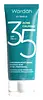 Key Ingredients
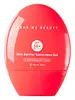
Benefits
Concerns
No concerns
Ingredients Side-by-side
Water
Skin ConditioningEthylhexyl Methoxycinnamate
UV Absorber


Niacinamide
Smoothing











Butyl Methoxydibenzoylmethane
UV Absorber
Aluminum Starch Octenylsuccinate
Absorbent
Phenoxyethanol
Preservative
Cetearyl Olivate

Propanediol
Solvent
Butylene Glycol
Humectant
Octocrylene
UV Absorber
Acrylates/C10-30 Alkyl Acrylate Crosspolymer
Emulsion StabilisingSorbitan Olivate
Emulsifying
Polymethyl Methacrylate
Aminomethyl Propanol
BufferingAllantoin
Skin Conditioning
Panthenol
Skin Conditioning
Salicylic Acid
Masking


Xanthan Gum
EmulsifyingTriethylene Glycol
Masking
Ethylhexyl Triazone
UV Absorber
Tetrasodium EDTA
Lecithin
Emollient
BHT
Antioxidant
Water, Ethylhexyl Methoxycinnamate, Niacinamide, Butyl Methoxydibenzoylmethane, Aluminum Starch Octenylsuccinate, Phenoxyethanol, Cetearyl Olivate, Propanediol, Butylene Glycol, Octocrylene, Acrylates/C10-30 Alkyl Acrylate Crosspolymer, Sorbitan Olivate, Polymethyl Methacrylate, Aminomethyl Propanol, Allantoin, Panthenol, Salicylic Acid, Xanthan Gum, Triethylene Glycol, Ethylhexyl Triazone, Tetrasodium EDTA, Lecithin, BHT
Water
Skin ConditioningZinc Oxide
Cosmetic Colorant
Titanium Dioxide
Cosmetic Colorant
Glycerin
Humectant
Hydroxyethyl Acrylate/Sodium Acryloyldimethyl Taurate Copolymer
Emulsion StabilisingAloe Ferox Leaf Juice Extract
Skin ConditioningAcrylates/Polytrimethylsiloxymethacrylate Copolymer
Skin ConditioningPolyquaternium-7
Propanediol
Solvent
Isohexadecane
EmollientSodium Hyaluronate
Humectant
Ceramide NP
Skin Conditioning
Chlorphenesin
Antimicrobial
Polysorbate 60
Emulsifying
Acrylates Crosspolymer
AbsorbentPhenoxyethanol
Preservative
Allantoin
Skin Conditioning
Panthenol
Skin Conditioning
Laureth-1 Phosphate
SurfactantEctoin
Skin Conditioning
Potassium Hydroxide
BufferingWater, Zinc Oxide, Titanium Dioxide, Glycerin, Hydroxyethyl Acrylate/Sodium Acryloyldimethyl Taurate Copolymer, Aloe Ferox Leaf Juice Extract, Acrylates/Polytrimethylsiloxymethacrylate Copolymer, Polyquaternium-7, Propanediol, Isohexadecane, Sodium Hyaluronate, Ceramide NP, Chlorphenesin, Polysorbate 60, Acrylates Crosspolymer, Phenoxyethanol, Allantoin, Panthenol, Laureth-1 Phosphate, Ectoin, Potassium Hydroxide
Reviews
Ingredients Explained
These ingredients are found in both products.
Ingredients higher up in an ingredient list are typically present in a larger amount.
Allantoin is a soothing ingredient known for its protective and moisturizing properties; it's basically a quiet workhorse ingredient you can find in a huge range of cosmetics.
Though it can be derived from the comfrey plant, allantoin is produced synthetically for cosmetic products to ensure purity.
Research shows it can encourage your skin cells to turn over and renew by stimulating keratinocyte and fibroblast proliferation.
It also has mild keratolytic properties to help loosen and shed dead skin cells without being harsh.
Studies also suggest allantoin can help calm inflammation by dialing down some of the chemical signals your skin sends out when it is irritated.
This ingredient is typically used in the 0.1-0.5% range, and the FDA recognizes it as a skin protectant in OTC products up to 2%.
Overall, allantoin is a wonderful addition to most routines; it is stable across a wide pH range (~4-8), works well with other ingredients, and is considered non-sensitizing/non-irritating.
Fun fact: Allantoin is naturally occurring in comfrey root, beets, chamomile, and wheat sprouts. Our bodies even produce it as a byproduct of uric acid metabolism.
Learn more about AllantoinPanthenol is a common ingredient that helps hydrate and soothe the skin. It is found naturally in our skin and hair.
There are two forms of panthenol: D and L.
D-panthenol is also known as dexpanthenol. Most cosmetics use dexpanthenol or a mixture of D and L-panthenol.
Panthenol is famous due to its ability to go deeper into the skin's layers. Using this ingredient has numerous pros (and no cons):
Like hyaluronic acid, panthenol is a humectant. Humectants are able to bind and hold large amounts of water to keep skin hydrated.
This ingredient works well for wound healing. It works by increasing tissue in the wound and helps close open wounds.
Once oxidized, panthenol converts to pantothenic acid. Panthothenic acid is found in all living cells.
This ingredient is also referred to as pro-vitamin B5.
Learn more about PanthenolPhenoxyethanol is a preservative that has germicide, antimicrobial, and aromatic properties. Studies show that phenoxyethanol can prevent microbial growth. By itself, it has a scent that is similar to that of a rose.
It's often used in formulations along with Caprylyl Glycol to preserve the shelf life of products.
Propanediol is an all-star ingredient. It softens, hydrates, and smooths the skin.
It’s often used to:
Propanediol is not likely to cause sensitivity and considered safe to use. It is derived from corn or petroleum with a clear color and no scent.
Learn more about PropanediolWater. It's the most common cosmetic ingredient of all. You'll usually see it at the top of ingredient lists, meaning that it makes up the largest part of the product.
So why is it so popular? Water most often acts as a solvent - this means that it helps dissolve other ingredients into the formulation.
You'll also recognize water as that liquid we all need to stay alive. If you see this, drink a glass of water. Remember to stay hydrated!
Learn more about Water
