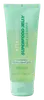
This mild gel cleanser is made to cleanse without leaving your skin tight or dry.


What's inside
What's inside
 Key Ingredients
Benefits
Concerns
Ingredients Side-by-side
Water
Skin ConditioningSodium C14-16 Olefin Sulfonate
Cleansing

Glycerin
Humectant


Acrylates Copolymer
Lauryl Hydroxysultaine
CleansingSodium Cocoamphoacetate
CleansingCoco-Betaine
Cleansing
Sodium Chloride
MaskingBetaine
Humectant
Polyglyceryl-4 Caprate
EmulsifyingSodium PCA
Humectant
Potassium Benzoate
Preservative
Tromethamine
BufferingPanthenol
Skin Conditioning
Citric Acid
Buffering


Disodium EDTA
ChelatingEthylhexylglycerin
Skin ConditioningButylene Glycol
Humectant
1,2-Hexanediol
Skin Conditioning
Camellia Sinensis Leaf Extract
Antimicrobial



Aloe Barbadensis Leaf Extract
Emollient
Spinacia Oleracea Leaf Extract
Skin ConditioningSodium Hyaluronate
Humectant
Brassica Oleracea Acephala Leaf Extract
HumectantCamellia Japonica Seed Oil
Emollient

Tocopherol
Antioxidant

Hydroxypropyltrimonium Hyaluronate
Hydrolyzed Hyaluronic Acid
Humectant
Sodium Acetylated Hyaluronate
Humectant
Polyglutamic Acid
Skin Conditioning
Hyaluronic Acid
Humectant
Hydrolyzed Sodium Hyaluronate
Skin Conditioning
Sodium Hyaluronate Crosspolymer
Humectant
Potassium Hyaluronate
Skin ConditioningCI 19140
Cosmetic ColorantCI 42090
Cosmetic ColorantWater, Sodium C14-16 Olefin Sulfonate, Glycerin, Acrylates Copolymer, Lauryl Hydroxysultaine, Sodium Cocoamphoacetate, Coco-Betaine, Sodium Chloride, Betaine, Polyglyceryl-4 Caprate, Sodium PCA, Potassium Benzoate, Tromethamine, Panthenol, Citric Acid, Disodium EDTA, Ethylhexylglycerin, Butylene Glycol, 1,2-Hexanediol, Camellia Sinensis Leaf Extract, Aloe Barbadensis Leaf Extract, Spinacia Oleracea Leaf Extract, Sodium Hyaluronate, Brassica Oleracea Acephala Leaf Extract, Camellia Japonica Seed Oil, Tocopherol, Hydroxypropyltrimonium Hyaluronate, Hydrolyzed Hyaluronic Acid, Sodium Acetylated Hyaluronate, Polyglutamic Acid, Hyaluronic Acid, Hydrolyzed Sodium Hyaluronate, Sodium Hyaluronate Crosspolymer, Potassium Hyaluronate, CI 19140, CI 42090
Water
Skin ConditioningSodium Methyl Cocoyl Taurate
Cleansing
Cocamidopropyl Hydroxysultaine
Cleansing
Cocamidopropyl Betaine
Cleansing
Disodium Laureth Sulfosuccinate
CleansingGlyceryl Laurate
Emollient
Sodium Hyaluronate
Humectant
Panthenol
Skin Conditioning
Tocopheryl Acetate
Antioxidant
Cymbopogon Schoenanthus Extract
Skin ConditioningEquisetum Arvense Leaf Extract
AstringentCarica Papaya Fruit Extract
Skin ConditioningChamomilla Recutita Flower
Skin Conditioning
Allantoin
Skin Conditioning
Potassium Sorbate
Preservative
Citric Acid
Buffering
Phenoxyethanol
Preservative
Ethylhexylglycerin
Skin ConditioningParfum
Masking

Water, Sodium Methyl Cocoyl Taurate, Cocamidopropyl Hydroxysultaine, Cocamidopropyl Betaine, Disodium Laureth Sulfosuccinate, Glyceryl Laurate, Sodium Hyaluronate, Panthenol, Tocopheryl Acetate, Cymbopogon Schoenanthus Extract, Equisetum Arvense Leaf Extract, Carica Papaya Fruit Extract, Chamomilla Recutita Flower, Allantoin, Potassium Sorbate, Citric Acid, Phenoxyethanol, Ethylhexylglycerin, Parfum
Reviews
Ingredients Explained
These ingredients are found in both products.
Ingredients higher up in an ingredient list are typically present in a larger amount.
Citric Acid is an alpha hydroxy acid (AHA) naturally found in citrus fruits like oranges, lemons, and limes.
Like other AHAs, citric acid can exfoliate skin by breaking down the bonds that hold dead skin cells together. This helps reveal smoother and brighter skin underneath.
However, this exfoliating effect only happens at high concentrations (20%) which can be hard to find in cosmetic products.
Due to this, citric acid is usually included in small amounts as a pH adjuster. This helps keep products slightly more acidic and compatible with skin's natural pH.
In skincare formulas, citric acid can:
While it can provide some skin benefits, research shows lactic acid and glycolic acid are generally more effective and less irritating exfoliants.
Most citric acid used in skincare today is made by fermenting sugars (usually from molasses). This synthetic version is identical to the natural citrus form but easier to stabilize and use in formulations.
Rosacea skin has a lower threshold for acids generally, with 62.5% of rosacea subjects in one study reacting to lactic acid in a sting test. This is why we mark citric acid as a potential rosacea trigger.
However, this ingredient shows up as a pH adjuster or chelator at roughly 0.1-1% in many products. These low levels are unlikely to be an issue for rosacea skin and becomes a potential trigger at exfoliating concentrations (20%). Because everybody's skin is unique, we recommend a patch test if you are unsure.
Learn more about Citric AcidEthylhexylglycerin is created from glycerin. It is a multitasker ingredient that:
The CIR Expert Panel found minimal skin absorption or sensitization of any kind in a safety assessment. Though this ingredient is considered well-tolerated, a small number of cases of allergic dermatitis have been published since 2002. Just be sure to patch test if you are unsure.
Industry-reported use ranges from 8% in rinse-off products and 2% in leave-on formulations.
Learn more about EthylhexylglycerinPanthenol is a common ingredient that helps hydrate and soothe the skin. It is found naturally in our skin and hair.
There are two forms of panthenol: D and L.
D-panthenol is also known as dexpanthenol. Most cosmetics use dexpanthenol or a mixture of D and L-panthenol.
Panthenol is famous due to its ability to go deeper into the skin's layers. Using this ingredient has numerous pros (and no cons):
Like hyaluronic acid, panthenol is a humectant. Humectants are able to bind and hold large amounts of water to keep skin hydrated.
This ingredient works well for wound healing. It works by increasing tissue in the wound and helps close open wounds.
Once oxidized, panthenol converts to pantothenic acid. Panthothenic acid is found in all living cells.
This ingredient is also referred to as pro-vitamin B5.
Learn more about PanthenolSodium Hyaluronate is the salt form of hyaluronic acid. It is a long sugar chain that is naturally found in your skin, joints, and connective tissue that maintains hydration and elasticity.
In skincare, it works as a humectant. It pulls water from the environment and deeper layers of skin and binds it to the surface.
Interestingly, the size of the molecule affects its behavior:
Some clinical evidence links low molecular weight versions to improved wrinkle depth, elasticity, anti-inflammatory effects, and barrier repair.
Many serums use a blend of both weights so you can get surface hydration plus longer-lasting and deeper effects.
You'll typically see concentrations between 0.1-2% for this ingredient.
Learn more about Sodium HyaluronateWater. It's the most common cosmetic ingredient of all. You'll usually see it at the top of ingredient lists, meaning that it makes up the largest part of the product.
So why is it so popular? Water most often acts as a solvent - this means that it helps dissolve other ingredients into the formulation.
You'll also recognize water as that liquid we all need to stay alive. If you see this, drink a glass of water. Remember to stay hydrated!
Learn more about Water

